




Increasing Traffic Congestion May Point to Strengthening Economy
If traffic congestion is a good indicator of the health of the economy, then some economists’ recent concerns about hitting a so-called “soft patch” during the current quarter may be unfounded.


If traffic congestion is a good indicator of the health of the economy, then some economists’ recent concerns about hitting a so-called “soft patch” during the current quarter may be unfounded.
A new Gridlock Index from the traffic information provider Inrix shows overall levels of U.S. traffic jumped by more than 9% during April compared to a year ago, the second largest year-over-year increase recorded on record.
"The latest IGI shows the U.S. economy is getting back to business," says Bryan Mistele, CEO of Inrix. "However, the pattern we're seeing in our data shows that the economies in some regions, like the Midwest, are accelerating while others are stuck in a lower gear."
Overall U.S. gridlock levels grew by 9.4% from April 2012 to April 2013 to reach a composite IGI score of 6.9. This means the average trip took drivers in the 100 most populated metro areas nearly 7% longer because of increased traffic congestion, a side-effect of better economic times says the company.
However, a regional view showed that year-over-year traffic declined in metro areas like Baton Rouge, down 38%; Oklahoma City, down 32%: Louisville, down 26%; and New Orleans, down 21%, consistent with a pattern for the South that emerged late last year.
The economies in the nation's other regions fared much better, with traffic growing in northeastern metro areas by 10% and in western metro areas by 13%. With 14% year-over-year growth, metro areas in the Midwest showed the strongest regional performance.
The mixed performance seen in the new report is reflected in other recent economic news. Data through March 2013 from the S&P/Case-Shiller Home Price Indices showed the highest increase in U.S. house prices since 2007, while the Conference Board's gauge of economic sentiment hit a five-year high in May. April's Fed Beige Book, however, showed economic observers were more cautious in southern districts like Atlanta and Richmond, as they reported mixed sales activity, lower expectations for manufacturing activity and hiring restrained by uncertainty over fiscal and healthcare policies.
Recently some economists have said they expect the U.S. economic growth to slow in the current quarter compared to the 2.4 annual rate in the first quarter due to declines in some economic indicators.
More Fleet Management

For Nicky Cupp, Fleet Innovation Starts With Frustration
HDT Truck Fleet Innovator Nicky Cupp turns everyday pain points at Fraley & Schilling into opportunities for better technology and smarter processes.
Read More →
Adam Buttgenbach’s Approach to Electric Trucks: Start With Where They Fit
HDT Truck Fleet Innovator Adam Buttgenbach helped PepsiCo build one of North America’s largest EV fleets by focusing on where electric trucks make operational sense.
Read More →
Deen Albert: Let Automation Do the Math, People Make the Decisions
HDT Truck Fleet Innovator Deen Albert makes sure people are still at the heart of operations at Grand Island Express, even while adopting artificial intelligence tools. AI-assisted dispatch helped boost revenue 25% with the same number of trucks.
Read More →
Trimble’s New AI Agent Takes Aim at Fleet Back-Office Busywork
Arc Agent works across Trimble TMS products to automate repetitive tasks such as freight orders, maintenance, invoices, fuel costs and more.
Read More →
How HDT’s 2026 Truck Fleet Innovators Are Rethinking Fleet Operations
Meet five trucking leaders who are challenging assumptions, solving operational problems, and putting innovative ideas to work.
Read More →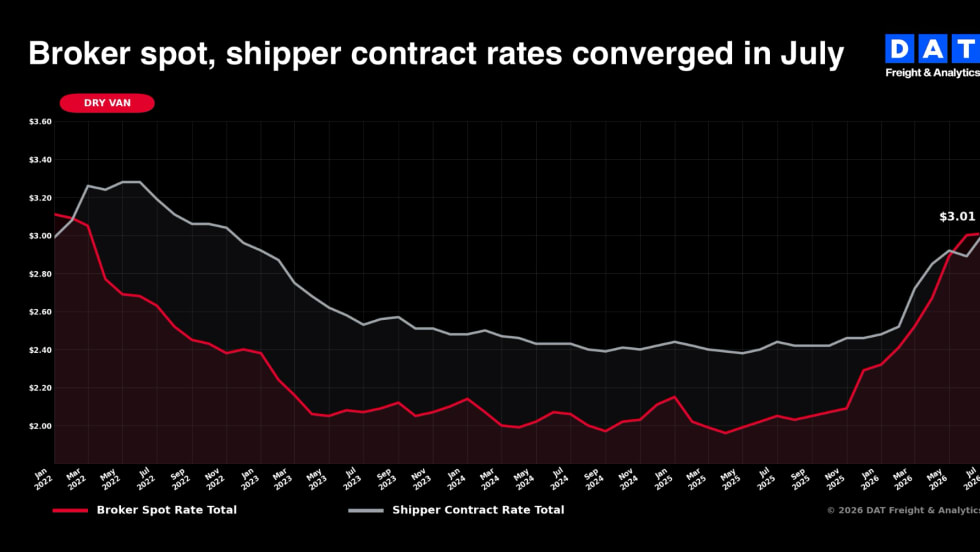
Tight Trucking Capacity Pushes Rates Higher Even as Freight Volumes Fall
“Spot rates moving ahead of contract rates have historically signaled a tightening market, but we haven’t seen a capacity-driven market quite like this one,” said DAT's Dean Croke.
Read More →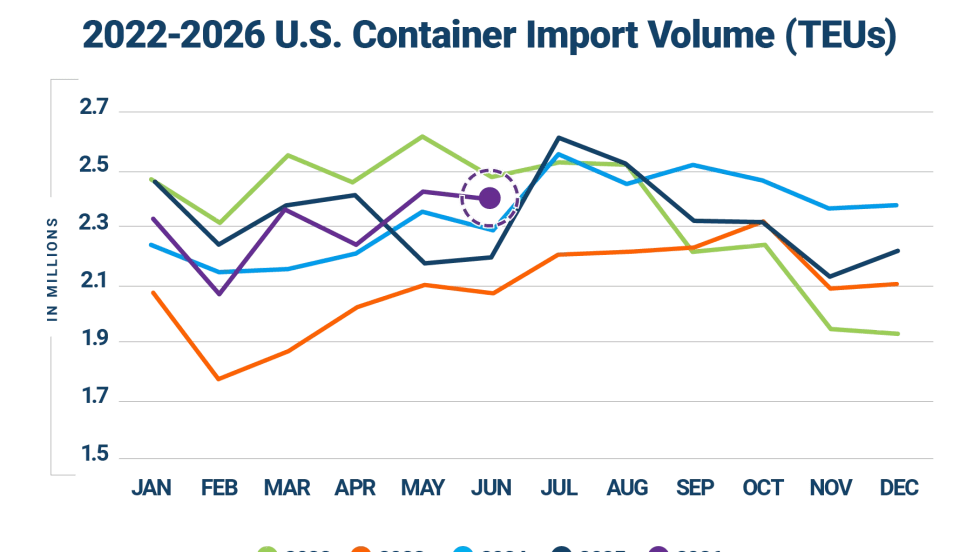
Import Cargo’s Early Peak Season is Winding Down
There was an early start to peak season this year at the nation's gateway ports, as retailers brought in merchandise ahead of tariff changes in late July and responded to other supply chain uncertainties,
Read More →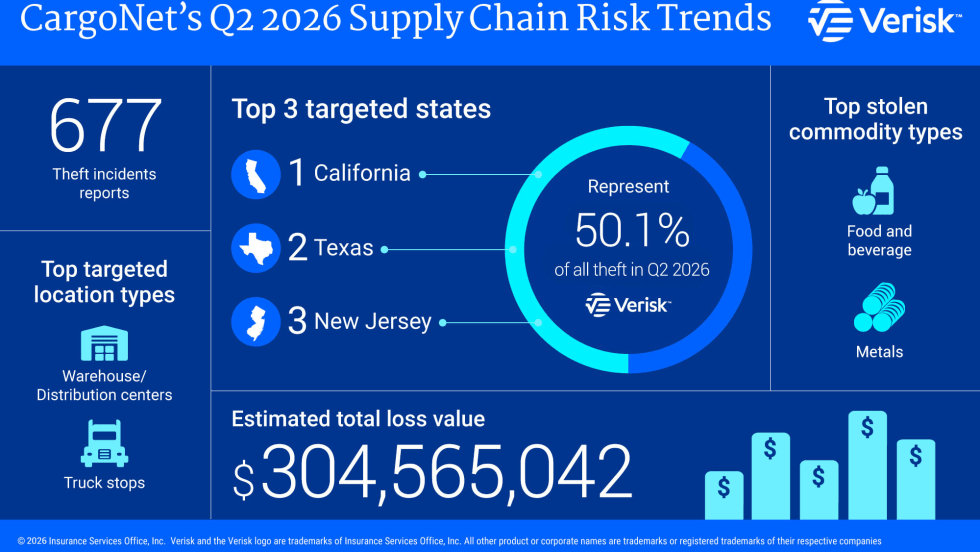
Fewer Cargo Thefts, Bigger Losses: Criminals Target Higher-Value Loads
CargoNet says organized theft rings are stealing fewer shipments but choosing more valuable freight, including metals and technology, resulting in record losses.
Read More →
How Innovative Trucking Leaders Turn Change Into an Advantage
As the pace of change accelerates in trucking, the fleets that adapt best have more than the latest technology. They have cultures that embrace improvement.
Read More →
Freight Broker Bonds Just Got Harder to Get. Here's What That Means for Your Fleet.
When it gets harder for a freight broker to prove they are financially sound, the ones who cannot clear that bar get pushed out of the market. And those are exactly the brokers who used to leave motor carriers holding the bag.
Read More →