




In Perspective: The Hours of Service Compromise
A congressional compromise on hours of service reform means it will be at least another year before a new rule kicks in. The deal will permit the Federal Motor Carrier Safety Administration to continue working on its
A congressional compromise on hours of service reform means it will be at least another year before a new rule kicks in.
The deal will permit the Federal Motor Carrier Safety Administration to continue working on its reform proposal, and issue a supplemental proposal, but prevents the agency from issuing a final rule until after Oct. 1, 2001.
In effect, the compromise is between the American Trucking Associations and the safety agency. ATA wanted legislation that would prevent the agency from doing any work at all on this or any similar reform proposal for at least a year. What ATA got is the delay on the final rule, while the safety agency got to keep working on the proposal.
Sen. Richard Shelby, R-Ala., sponsor of the ATA provision, told congressional negotiators that the compromise is reasonable.
“(It) should provide the incentive for the Administration to fully listen and solicit views on all sides of this issue,” he said.
“We’re pleased that we have the opportunity to continue the rulemaking process,” said FMCSA spokesman David Longo. “In fact, the rulemaking process is the issue here. We look forward to reviewing and analyzing all the comments and continuing to move forward on a final rule based on safety.”
ATA President and CEO Walter B. McCormick Jr. also praised the deal. “Congress has given us the opportunity to do the right thing for highway safety,” he said in a statement.
President Clinton haw not yet signed off on the legislative vehicle for this deal, the Department of Transportation appropriations bill for Fiscal Year 2001, but he is expected to. When he does, it will close a tumultuous chapter in the progress of the controversial reform proposal.
The safety agency published its proposed rule last April, and originally indicated that it intended to come up with a final rule this year. It gave the industry 90 days to comment on the proposal, and passed the word that it might be willing to grant an additional 45 days if the industry needed time to gather facts for its comments.
But when the industry got a close look at the proposal, it pushed the alarm button. At field hearings held by the agency during the comment period, all segments of the industry expressed dismay at what they saw in the rule and said they needed more time for study and data gathering. The gist of their message: The proposal would force dramatic operational changes that would cost far more than the agency estimated and would not, in fact, improve safety.
Truckers took their concerns to Capitol Hill. A hearing was held in the House, where FMCSA chief Clyde Hart said he wanted to work with the industry to resolve their concerns.
After it became apparent to DOT officials that they would not be able to get the rule out this year, the safety agency extended the comment period, ultimately until Dec. 15 of this year. The agency also said it would hold roundtable discussions on the proposal, and held out the possibility that it would open a supplemental rulemaking – which in effect could amount to a substantive rewrite of the proposal.
Meanwhile, ATA enlisted Sen. Shelby’s support for a provision of the DOT appropriations bill that would cut off all funding for the rulemaking process. The move ran into opposition from DOT, and in the House, where Rep. Frank Wolf, R-Va., was adamant that the agency be allowed to continue working on the proposal.
Negotiations continued through September, and details of the compromise were only released this week after House and Senate conferees agreed on this and other provisions of the DOT appropriations bill.
More Drivers

Competition Heating Up for Truck Drivers
New report reveals rising driver hiring costs, the return of sign-on bonuses, growing AI advantages, and the operational factors shaping driver retention.
Read More →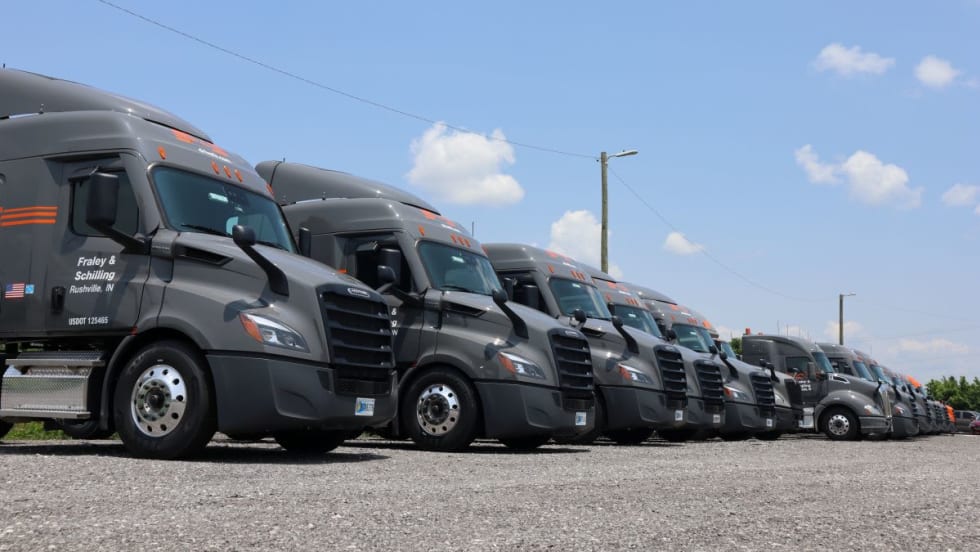
How Fraley & Schilling Improved Logbook Compliance by Over 50%
Fraley & Schilling needed a way to close a compliance workflow gap in its ELD system without adding more work from driver training, reminders, and back-office follow-ups. It found the answer in a custom driver app.
Read More →
Volvo Goes Gaming
Volvo has roared into American Truck Simulator with two new flagship trucks.
Read More →
What the Best Fleets to Drive For Teach About Driver Retention
Survey fatigue, AI-powered routing, owner-operator expectations, and the decline of social media all emerged as themes from this year's Best Fleets to Drive For program.
Read More →
Driver Retention Lessons From the Best Fleets to Drive For
What separates trucking's best workplaces from the rest? Jane Jazrawy shares the biggest lessons from this year's Best Fleets to Drive For program on driver retention, communication, AI, and workforce trends on the HDT Talks Trucking podcast.
Read More →
Farewell, CDL: Why I'm Giving Up My Commercial Driver's License
After more than 20 years as a CDL holder, HDT Executive Editor Jack Roberts is letting his commercial license expire. Not because he wants to — but because trucking's nuclear verdict crisis has made the risks of public-road test drives too great for editors, manufacturers, and everyone involved.
Read More →
How Top Trucking Fleets Improve Driver Retention [Video]
What do healthy snacks, optimized routing, and just picking up the phone have in common? They're all strategies the Best Fleets to Drive For are using to retain truck drivers.
Read More →
Trucker Path Adds Verisk CargoNet Theft Data to Navigation Platform
Trucker Path’s new cargo theft risk overlays give drivers and fleets visibility into high-risk areas, stolen commodity trends, and theft hotspots.
Read More →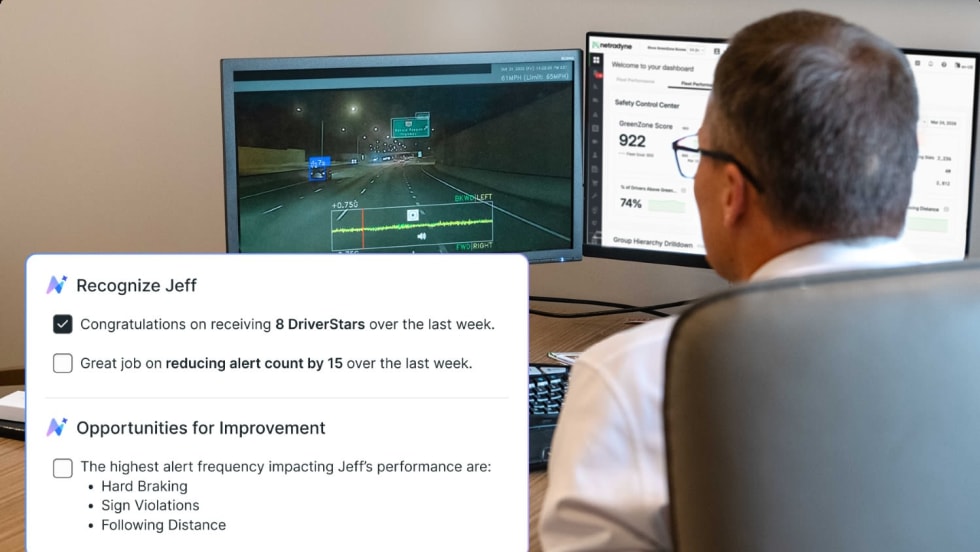
Netradyne Intelligence Uses New AI Agents to Automate Response to In-Cab Camera Data
The company called the next-generation in-cab camera safety platform "a fundamental shift from systems that report on what happened to systems that actively drive what should happen next."
Read More →
Why Truck Detention Keeps Costing Fleets Time and Money
A 2024 ATRI study found detention affects nearly 40% of truckload stops and costs the industry more than $15 billion annually. Despite the toll on drivers, fleets, and supply chains, the problem remains stubbornly persistent.
Read More →