




Related: Make the Most of Learning Styles When Training Drivers
Implementing an Effective Driver Coaching Program
To get drivers on-board with certain technologies, fleets must properly train the coaches as well as the drivers on how the technology works and why it’s being used.
by James Menzies, Today’s Trucking
October 27, 2020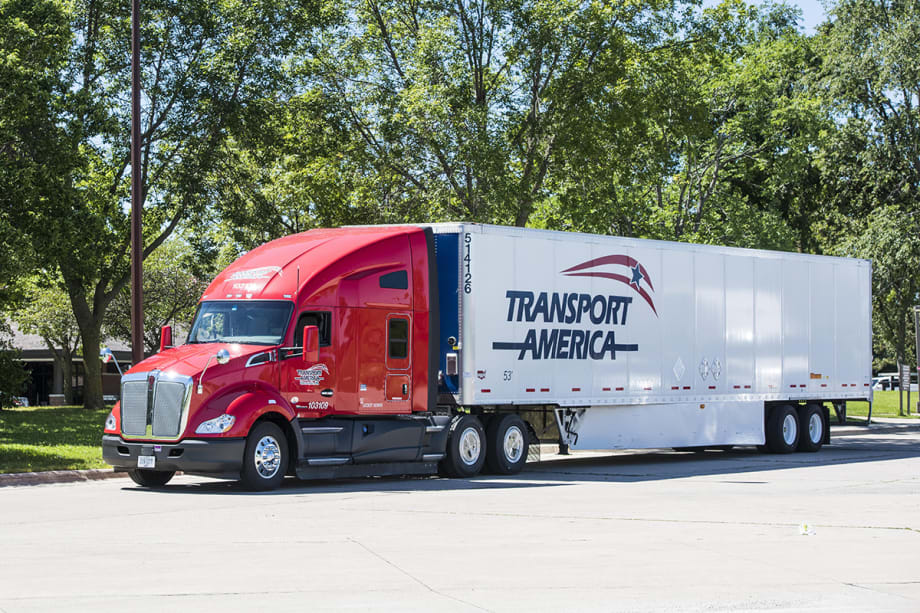
Photo: Deborah Lockridge
4 min to read
Steve Fields, a professional driver with YRC and America’s Road Team Captain, doesn’t mind having his driving critiqued using video. He likens it to an NFL team that analyzes every play in the video room after a game in the pursuit of continuous improvement.
“It makes you aware if you’re slipping into bad habits. It’s a coaching device that kind of keeps me in check. We all develop bad habits,” Fields said during a virtual American Trucking Associations Management Conference & Exhibition panel on telematics and driver coaching.
To get drivers on-board with such technologies, however, fleets must properly train the coaches as well as the drivers on how the technology works and why it’s being used, said Lisa Gonnerman, vice-president of safety and security with Transport America.
“It can’t just be there to help the company,” she said. “You have to explain to the driver on the other end, why and how it can be helpful to them.”
It’s also important not to expect perfection overnight, she added. Drivers will respond differently to coaching, and Gonnerman suggested experimenting to determine if drivers react better to their peers, current fleet manager, or maybe another company leader. If drivers don’t respond well to coaching, she said, termination should only be a last resort.
“That’s not the answer anybody wants, where in today’s world it’s tough to get that good, quality driver,” Gonnerman said.
At YRC, Fields said peer-to-peer coaching has worked best. He is on the road most of the time but also serves as a coach a couple days a week. That current over-the-road experience helps him relate to drivers during coaching.
“I’m out there doing what they do,” he said. “I know the traffic they’re in – we run the same areas.”
He also focuses on positives whenever possible. If a driver avoids a collision when a deer runs out in front of the truck, Fields will share that video across the fleet and congratulate the driver.
“We have to find that win and be positive about it,” Gonnerman agreed. “With all these programs, the positive and recognition is absolutely critical.”
When implementing a driver coaching system, Gonnerman said policies, procedures, and performance improvement guidelines must also be put in place and followed.
“Look at it from the perspective of sitting in a deposition chair, defending those policies and procedures if there were to be one of those accidents,” she said. “You have to be able to fall back on those, explain the why of what you did, and how you did it.”
Coaches must be consistent in how they approach all drivers – no favoritism – which is another reason policies must be implemented and followed. Gonnerman suggested getting driver coaches and legal counsel involved in developing such policies.
Driver coaches should even consider their approach to a fellow driver when it comes to reviewing an event.
“When I approach a driver, I always have a smile on my face,” Fields said. “A lot of times it’s the first few seconds in that conversation that determines what happens during the coaching bit.”
‘Problem drivers’ who are not receptive to coaching are referred to management, but Fields said he has never had to resort to that in his five years of coaching. “If you keep at it and have the right attitude, you can get to that driver and change his habits,” he insisted.
Gonnerman said upper management and operations buy-in is also needed for an effective driver coaching program. To convince them to make the investment in coaching, she suggested putting the cost of not doing so in terms they understand.
“Relate it to the number of loads,” she said. “If you have a $5,000 accident, how many loads are you going to have to pull to pay for that one accident? It can be an eye-opener in the rest of the organization when we relate it to that bottom line and it takes 85 loads now to make up for that accident we just had that operations said was a ‘minor accident.’ There’s no minor – it all impacts the bottom line.”
James Menzies is the editor of Today's Trucking, where this article originally appeared. This content was used with permission from Newcom Media as part of a cooperative editorial agreement.
More Drivers

Truck Drivers Need More Than Another Alert
Fleets have more visibility into truck health, safety events, and driver activity than ever. The next challenge is turning all that information into useful guidance for the person who has to decide what to do next.
Read More →
FMCSA Removes 110 Truck Driver Training Schools from Certified ELDT List
Federal regulators also are targeting more than 160 additional training providers and launching a nationwide audit of third-party CDL skills testers as part of a broader crackdown on trucking fraud.
Read More →
Hours of Service Pilot Programs: FMCSA Readies for 2027 Rollout
Two pilot programs could eventually reshape hours-of-service rules, giving truck drivers options to pause their 14-hour clock or use longer split sleeper rest periods.
Read More →
Medical Cards, English Proficiency Reshape Roadcheck Violations
Medical-card violations jumped to the top of the driver out-of-service list during CVSA’s 2026 International Roadcheck, while English-language proficiency violations appeared among the leading violations for the first time.
Read More →
Driver Trust Can Make or Break the Success of Fleet Safety Technology
New Teletrac Navman research suggests that onboarding, transparency about driver data, and positive feedback can play a significant role in how commercial drivers respond to safety and coaching technology.
Read More →
EEOC Sues KLLM Over Alleged Sex Discrimination in Driver Training
KLLM is facing a federal sex-discrimination lawsuit over policies the EEOC alleges put female truck driver trainees at a disadvantage.
Read More →
FMCSA Moves to Codify English Language Requirements for Commercial Drivers
By changing regulations on English-language proficiency requirements for commercial drivers, rather than relying on a guidance memo, the FMCSA said future administrations won't be able to walk back the Trump administration's stricter enforcement with just a memo.
Read More →
Drivers Put Western Star Trucks to the Test at Star Nation Experience
Watch to get an inside look at the Western Star trucks, technology, and community behind the Star Nation Experience 2026!
Read More →
Trump Administration Looks to Put More Veterans Behind the Wheel
The Freedom Haulers program pulls together existing and expanded programs at several federal agencies to recruit veterans to drive commercial heavy-duty trucks and cut the red tape for them to get a CDL, training, and employment.
Read More →
Putting Mack’s Command Steer to the Test
A test drive of Mack’s Command Steer active steering system evaluates how it can make truck driving easier and less tiring.
Read More →