




Illinois Attempts to Improve Truck Routing Information
Truck drivers who plot their routes with consumer GPS devices may be setting themselves up for a problem. Those systems are great for showing car drivers which way to turn, but they don't necessarily identify critical truck information, such as the height of a bridge or the weight limit on a county road
Truck drivers who plot their routes with consumer GPS devices may be setting themselves up for a problem. Those systems are great for showing car drivers which way to turn, but they don't necessarily identify critical truck information, such as the height of a bridge or the weight limit on a county road.
Last year the Illinois General Assembly was considering a direct approach to the problem: pass a law that would require truck drivers to use a commercial truck GPS system. But before it acted, the Assembly put together a task force to study the issue. Now, based on the task force's recommendations, the governor is poised to sign a bill that takes a more comprehensive approach.
The bill doesn't mandate truck GPS units but it will require local governments to report road restrictions and designations to the state Department of Transportation, which will post a unified list on its web site.
The problem has been that local reporting has not been consistent, and the information is scattered among several data bases, said John McAvoy, director of engineering for Rand McNally, who was a member of the task force.
He sees the new reporting requirement as a way for local carriers to get better data from IDOT, and for GPS routing vendors like Rand McNally to get better data for out-of-state carriers that use their systems.
Don Schaefer, executive vice president of the Mid-West Truckers Association and also a member of the task force, put it this way: "The bill puts the burden on local jurisdictions to report road restrictions and designations to the state, so we have this data base so trucks aren't driving blind."
"Local jurisdictions aren't very good at informing anybody but the local truckers what is and what is not a truck route," Schaefer said. "As a result they are easy prey for local police officers to nail the out-of-state trucker who comes in to make a delivery."
Schaeffer described this portion of the bill as "arm-twisting legislation." Local jurisdictions often don't place a high priority on reporting their truck route information, he said. For one thing, it's an unfunded mandate. For another, there's revenue in those truck fines.
"The Chicago area, in particular, has a hodgepodge of truck routes that locals fiercely protect and love to write tickets," he said. "A guy running 80,000 pounds on a 73,280 road is in line for a ticket around $1,100."
The new law will make a difference, he said. "It means the state can start putting pressure on local jurisdictions. If they're going to complain about trucks on certain routes and they haven't updated their data, they won't get much support."
Rep. Michael Zalewski, the chairman of the task force and a sponsor of the legislation, stressed the importance of consolidating the state's routing information, which is now housed in databases maintained by IDOT, the Illinois Commerce Commission and local agencies.
"We believe better, more accessible data with regulatory compliance to keep the data updated will result in reduced accidents, reduced expense for repair and maintenance, and reduced congestion on local roads," Zalewski said.
The bill also contains an education component designed to increase driver awareness of the issue, Zalewski said. It requires Illinois to develop a brochure that explains the difference between a consumer and a commercial GPS system.
In addition, the state DOT has agreed to include material about the distinction between consumer and truck routing systems in its curriculum for its commercial driver's license exam, and is considering adding a couple of questions about the issue into the exam itself, Schaefer said.
Zalewski and other members of the task force are interested in expanding this educational component beyond Illinois. They see the Task Force's work as a template for other states to improve their truck routing systems.
That effort is in its infancy. McAvoy was in Washington, D.C., recently, meeting with the staff of Rep. Daniel Lipinski, D-Ill., and gathering start-up information about how to take the Illinois education effort national.
Darrin Roth, director of highway operations at American Trucking Associations, said ATA is following the issue but has no regulatory or legislative agenda on it right now.
"We think this is a problem that can and should be solved through education of drivers and carriers, and we've done some of that working with the (GPS routing system) vendors," he said.
More Drivers

Platform Science Adds Dispatch and Safety Tools
Four additions to PS Fleet help fleets monitor loads, manage driver coaching, share truck locations and adjust video system settings.
Read More →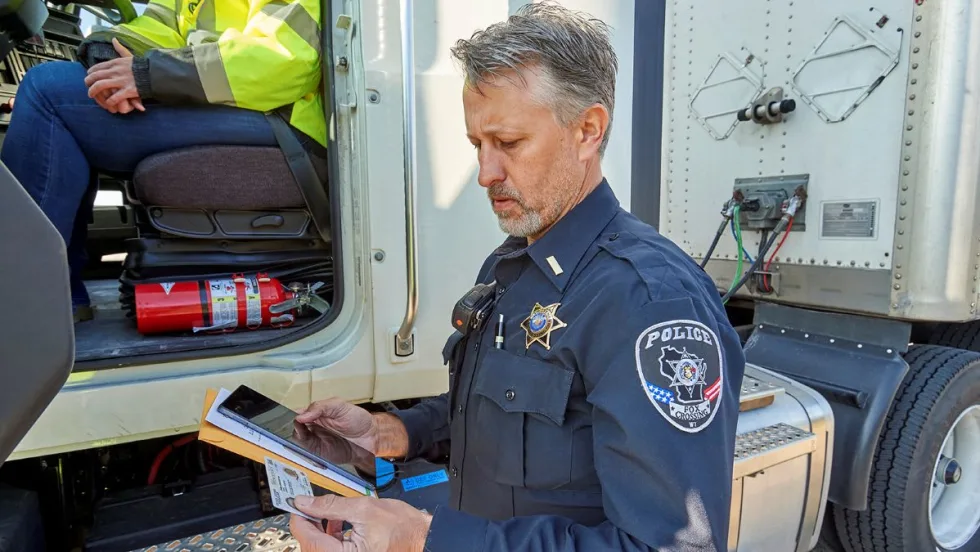
When Language Stops the Truck: The Return of ELP Out-of-Service Orders
English language proficiency rules for commercial drivers aren’t new, but renewed out-of-service enforcement has raised the stakes. Here’s what carriers need to know before a driver reaches a roadside inspection.
Read More →
Samsara Launches Custom AI Agent Builder
Agent Studio lets fleets create AI tools for hours-of-service monitoring, reporting and driver support, including agents that communicate by phone.
Read More →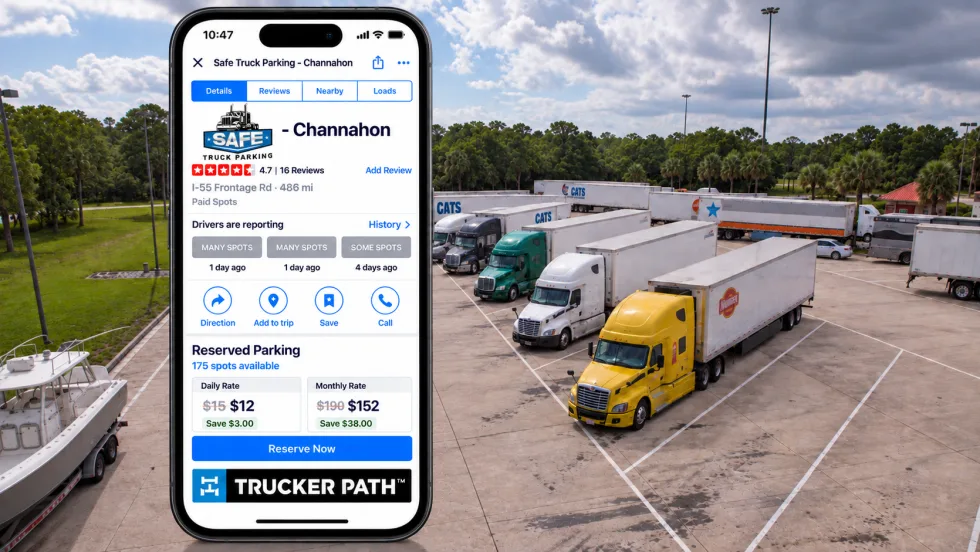
Trucker Path Expands Reserved Parking Network
Trucker Path has added close to 6,000 more truck parking spaces to its Trucker Path Reserved Parking Network with the addition of Safe Truck Parking.
Read More →
EEOC Sues Texas Trucking Company Over Driver Age Limits
The agency says Trancasa USA rejected applicants over 65 and applied tougher driving-record standards to those over 60.
Read More →
Nussbaum, Roehl Announce Second Driver Pay Increase This Year
This year has seen a swath of major truck driver pay increases as freight capacity has tightened.
Read More →
From One Generation to the Next: How Mentorship Builds Safer Truck Drivers
After three decades in trucking, Harold Perry shares what he's learned about driver safety, mentorship, and helping the next generation build confidence behind the wheel.
Read More →
Truck Drivers Need More Than Another Alert
Fleets have more visibility into truck health, safety events, and driver activity than ever. The next challenge is turning all that information into useful guidance for the person who has to decide what to do next.
Read More →
FMCSA Removes 110 Truck Driver Training Schools from Certified ELDT List
Federal regulators also are targeting more than 160 additional training providers and launching a nationwide audit of third-party CDL skills testers as part of a broader crackdown on trucking fraud.
Read More →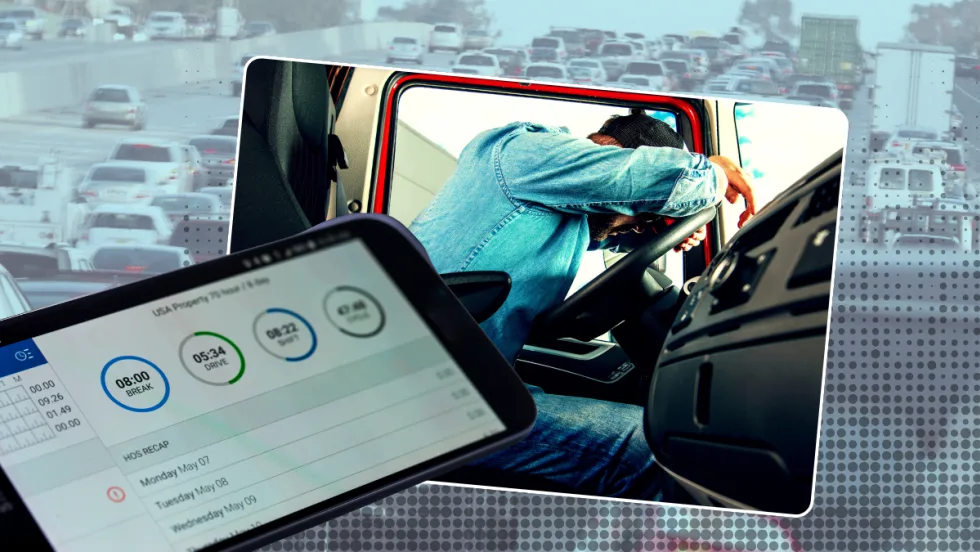
Hours of Service Pilot Programs: FMCSA Readies for 2027 Rollout
Two pilot programs could eventually reshape hours-of-service rules, giving truck drivers options to pause their 14-hour clock or use longer split sleeper rest periods.
Read More →