




Hours-Of-Service Changes, Black Boxes Proposed In Ontario
Nov. 13 – A recent rash of truck crashes in Ontario has generated a lot of discussion about what should be done. Truck driver training officials have said the problem is poor training. Canadians for Reliable and Safe Highways says it’s unsafe trucks. The Ontario Trucking Assn. wants hours-of-service regulations to be changed, and the provincial police say “black boxes” should be required on trucks.
Nov. 13 – A recent rash of truck crashes in Ontario has generated a lot of discussion about what should be done. Truck driver training officials have said the problem is poor training. Canadians for Reliable and Safe Highways says it’s unsafe trucks. The Ontario Trucking Assn. wants hours-of-service regulations to be changed, and the provincial police say “black boxes” should be required on trucks.
The Ontario Provincial Police say inexperience, mechanical problems and fatigue have all contributed significantly to the more than 40 rollovers and other truck accidents on highways in the Ontario area in the past two months, reports The Toronto Star. A fatal accident last week involving four trucks is under investigation, but fatigue is a possible factor.
Canadian truckers can stay at the wheel for 13 hours at a stretch and must have eight hours off before driving another 13 hours. Current regulations also allow truckers to drive for 60 hours every seven days, 70 hours every eight days and 120 hours every 14 days.
But a new proposal would allow drivers to stay at the wheel for 14 hours after 10 hours of rest, putting the regulations in synch with the body’s biological clock. The proposal, which has the backing of the Ontario Trucking Assn., could be implemented by the spring in Ontario. However, CRASH predicts the proposal will only make truck driver fatigue worse.
Meanwhile, the Toronto Star reports, the OPP would like to make airplane-style “black boxes” mandatory in trucks. Police say deliberate logbook violations have been found in many of the serious trucking accidents. The on-board recorders would keep drivers from fudging on their logbooks, police say. Police could download information from black boxes such as speed, engine and braking performance and the time the trip took to complete.
In the United States, the National Transportation Safety Board and various safety groups would also like to see onboard recorders made mandatory. Many trucking companies use them for management purposes but do not want the government to have access to the information.
More Equipment
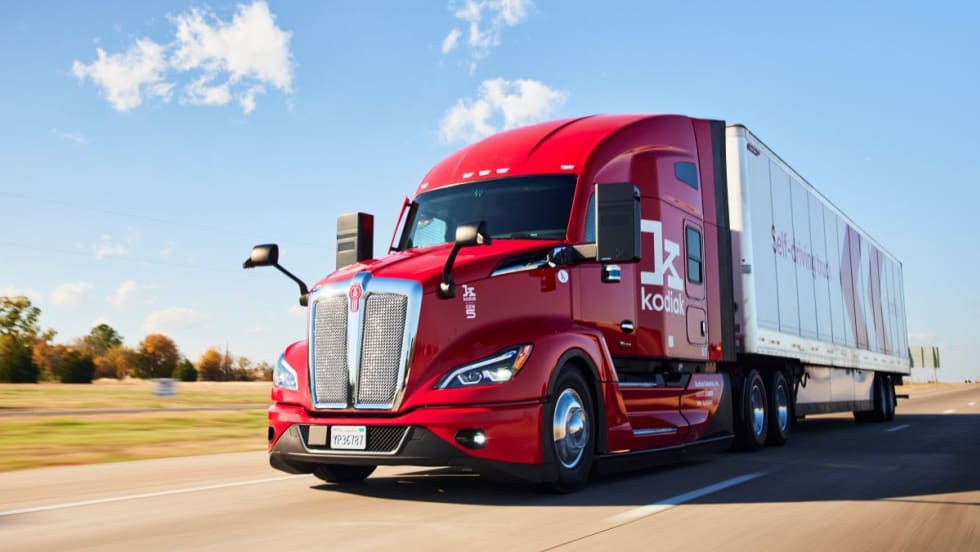
Autonomous Truck Testing Moves Ahead in California as Teamsters Challenge Rules
California has begun permitting heavy-duty autonomous truck testing, with Aurora and Kodiak among the first to receive approval, as the Teamsters sue the DMV over the new regulations.
Read More →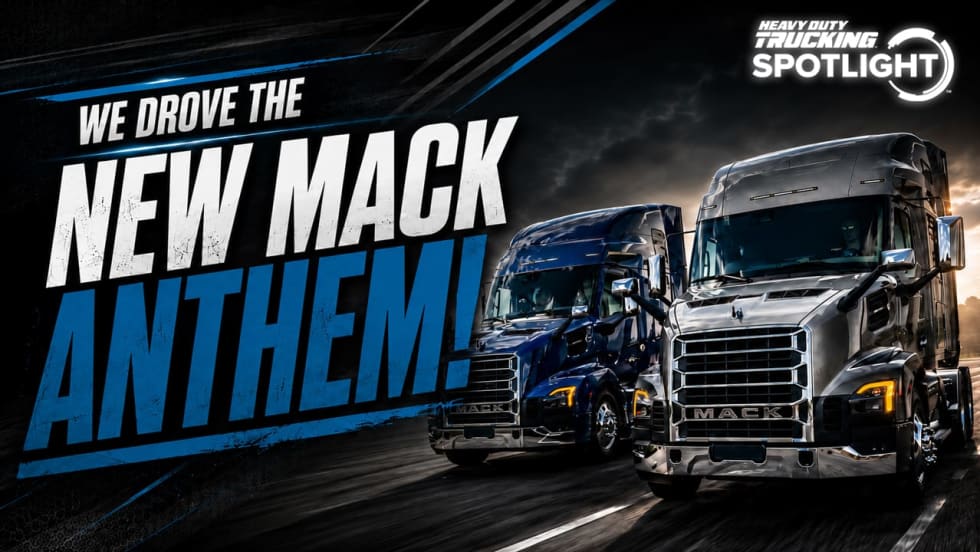
Behind the Wheel of the New Mack Anthem [Video]
HDT takes the new Mack Anthem around Mack’s Pennsylvania test track to see how its driver-focused design, technology, visibility and handling perform from behind the wheel.
Read More →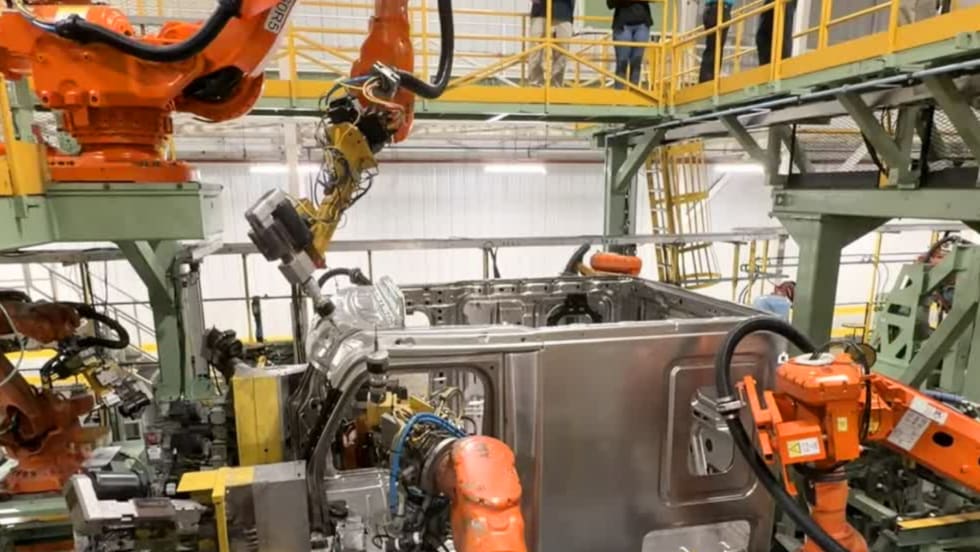
DTNA Plans New U.S. Truck Plant as Manufacturing Footprint Shifts
Daimler Truck North America is evaluating sites for a new assembly plant expected to open in 2029 while winding down operations at its longtime Portland manufacturing facility.
Read More →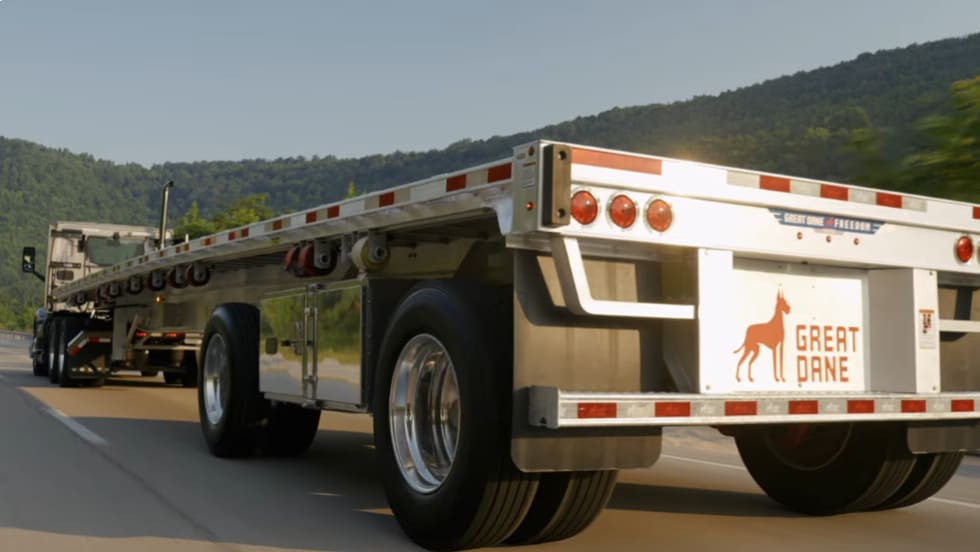
Great Dane Flatbed Trailer Offers Light Weight and Strength
Freedom Ultra is designed for a wide range of open-deck applications, including building materials, lumber, machinery, steel products, industrial freight, and coil hauling.
Read More →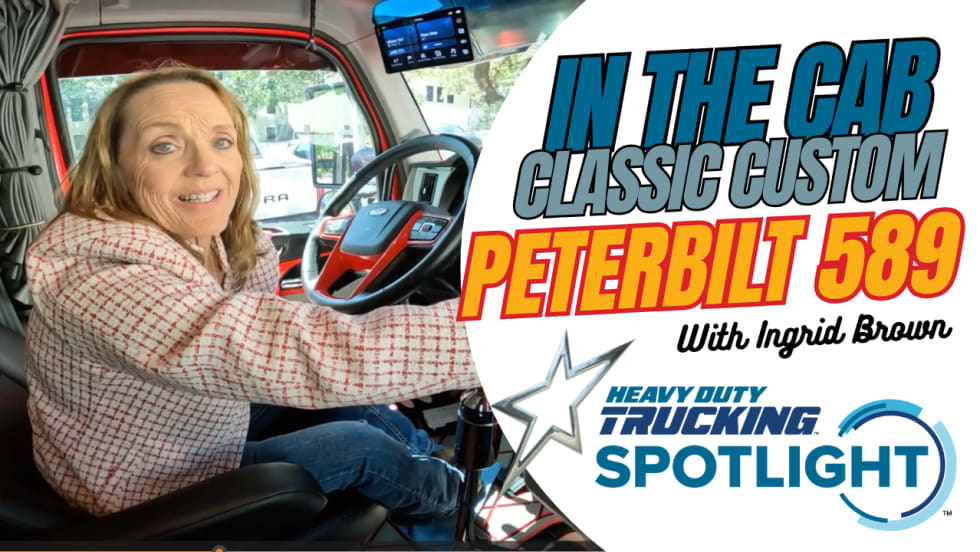
What It's Like Inside this Custom 2025 Peterbilt 589?
Take a driver's-eye tour of this customized 2025 Peterbilt 589 in this video, as longtime driver Ingrid Brown explains its features, compares it to previous models, and shares plenty of personality along the way.
Read More →
Drivers Put Western Star Trucks to the Test at Star Nation Experience
Watch to get an inside look at the Western Star trucks, technology, and community behind the Star Nation Experience 2026!
Read More →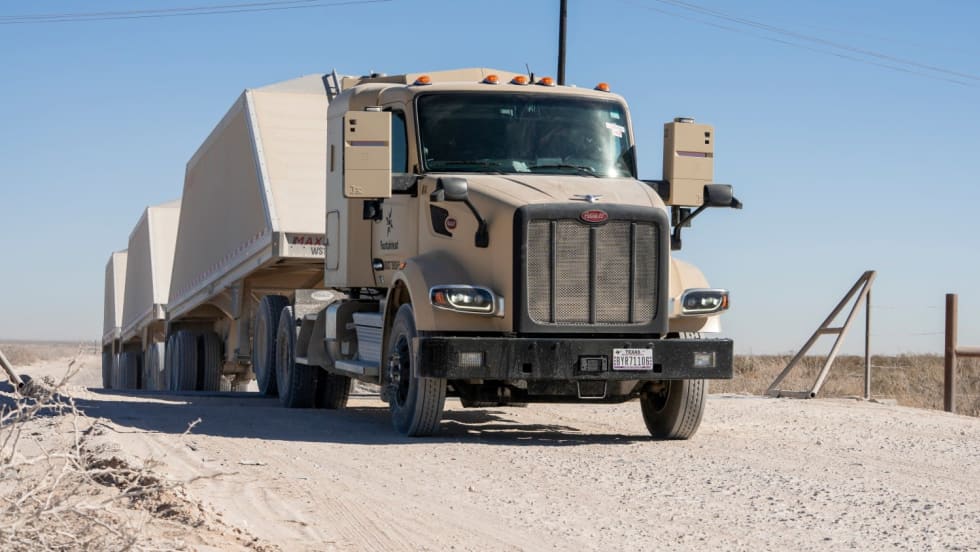
Atlas Expands Kodiak Driverless Truck Fleet in Permian Basin
Atlas Energy Solutions is expanding autonomous frac sand hauling in the Permian Basin with a second load-out location and plans for 100 driverless trucks by mid-2027.
Read More →
Putting Mack’s Command Steer to the Test
A test drive of Mack’s Command Steer active steering system evaluates how it can make truck driving easier and less tiring.
Read More →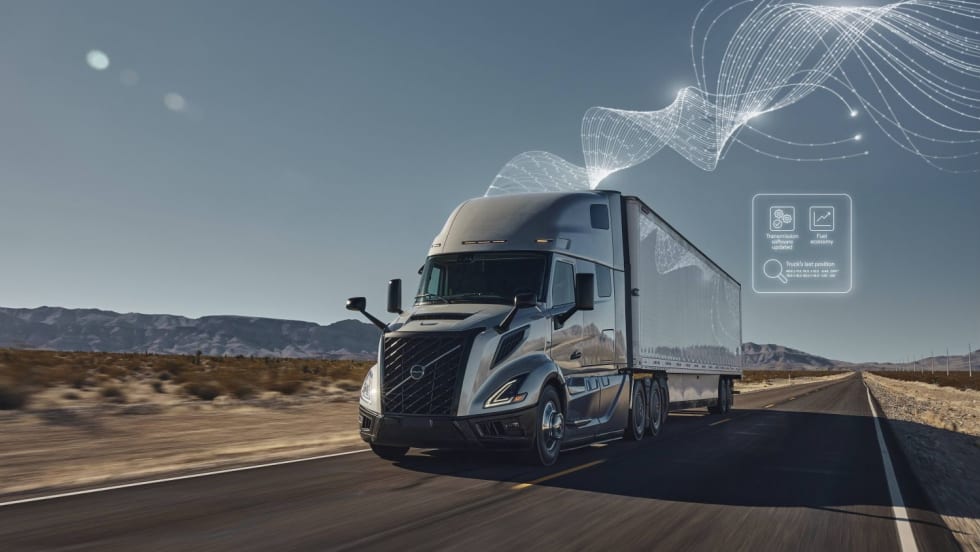
Mack, Volvo Expand DEF Derate Software Updates
The updated software gives Mack and Volvo truck owners more time to address DEF-related issues before the engine derates or the vehicle goes into reduced-speed inducement, following new EPA guidance.
Read More →
Rush, MCT Team Up to Grow Refrigeration Service Network
The joint venture will operate MCT's network of Carrier Transicold dealerships and mobile service locations, with the companies promising greater service capacity and uptime for refrigerated fleets.
Read More →