




Higher Tolls And A Side of Fries
Great news. Now you can use your toll booth transponder to pay for Big Macs. Just pick up your order at a participating McDonalds in California’s Orange County and scoot through. The Transportation Corridor Agencies (TCA)
Great news. Now you can use your toll booth transponder to pay for Big Macs. Just pick up your order at a participating McDonalds in California’s Orange County and scoot through. The Transportation Corridor Agencies (TCA) will pay the tab and debit your prepaid account. If you don't already use the automated toll collection technology known as FASTRAK, it makes you want to, doesn't it?
At least the TCA offers a carrot along with its stick. Other toll authorities only use the stick, charging automated toll customers less than cash customers. The New Jersey Turnpike, for example, just increased truck tolls 8% for E-ZPass customers and 13% for cash customers. With that kind of inducement, more and more companies and individuals will open toll accounts. Unfortunately, they will all be in for a nasty surprise.
When toll authorities reach a critical mass of customers paying tolls electronically, most will switch to toll structures that vary by the time of day. For truckers, that will mean no more or less than another hand in the company till.
Sometimes they call it "value pricing." Sometimes they call it "congestion pricing." Toll authorities and PR spin people sometimes call it "discount pricing." The "discount" is for using the toll road at off-peak hours. Usually, however, tolls have been increased and at best the "discount" is the toll you've been paying all along.
The idea, they say, is to encourage toll road use at off-peak hours, thereby alleviating rush-hour congestion. The idea is a favorite among traffic planning types, particularly those who work for toll authorities. For the most part, they really believe it will work. If you want to read the traffic planner's side of things, go to the Intelligent Transportation Society of America's Value Pricing resource page on the web at www.itsa.org
But however they spin it and whatever they call it, it remains a tax imposed on vehicles caught on toll roads at the wrong time. It will be similar to most High-Occupancy Vehicle (HOV) lanes, which do nothing to ease traffic; they merely reward people -- usually family members -- who ride together in any case.
But if congestion alone doesn’t discourage rush-hour driving, why does anyone think higher tolls will? People who drive off-peak do so not by choice but because that's what they're commitments require. Value pricing will simply reward them and tax the rest of us -– especially truckers -- who don't get to chose when we drive.
And rest assured: whether or not you get your own toll transponder, you will soon be paying more at a toll authority near you.
More Drivers

FMCSA Removes 110 Truck Driver Training Schools from Certified ELDT List
Federal regulators also are targeting more than 160 additional training providers and launching a nationwide audit of third-party CDL skills testers as part of a broader crackdown on trucking fraud.
Read More →
Hours of Service Pilot Programs: FMCSA Readies for 2027 Rollout
Two pilot programs could eventually reshape hours-of-service rules, giving truck drivers options to pause their 14-hour clock or use longer split sleeper rest periods.
Read More →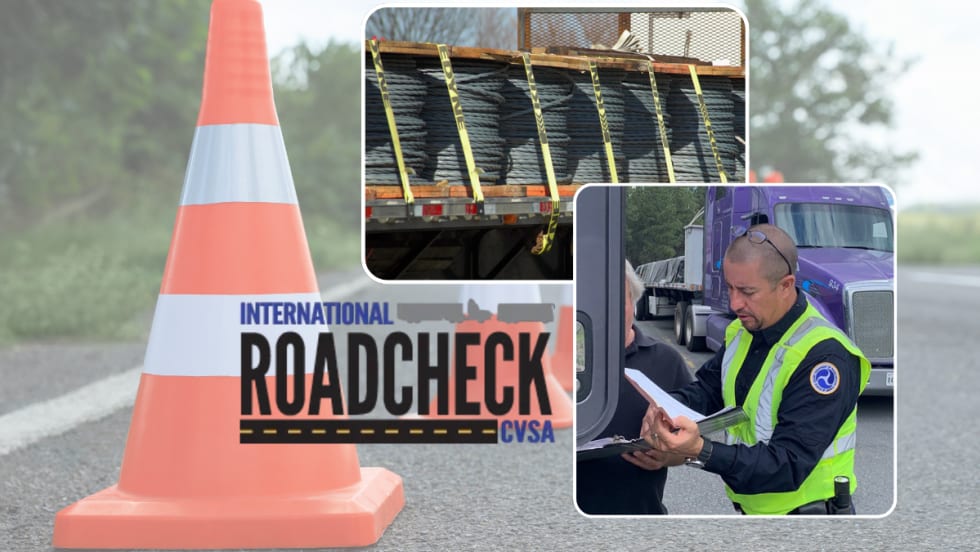
Medical Cards, English Proficiency Reshape Roadcheck Violations
Medical-card violations jumped to the top of the driver out-of-service list during CVSA’s 2026 International Roadcheck, while English-language proficiency violations appeared among the leading violations for the first time.
Read More →
Driver Trust Can Make or Break the Success of Fleet Safety Technology
New Teletrac Navman research suggests that onboarding, transparency about driver data, and positive feedback can play a significant role in how commercial drivers respond to safety and coaching technology.
Read More →
EEOC Sues KLLM Over Alleged Sex Discrimination in Driver Training
KLLM is facing a federal sex-discrimination lawsuit over policies the EEOC alleges put female truck driver trainees at a disadvantage.
Read More →
FMCSA Moves to Codify English Language Requirements for Commercial Drivers
By changing regulations on English-language proficiency requirements for commercial drivers, rather than relying on a guidance memo, the FMCSA said future administrations won't be able to walk back the Trump administration's stricter enforcement with just a memo.
Read More →
Drivers Put Western Star Trucks to the Test at Star Nation Experience
Watch to get an inside look at the Western Star trucks, technology, and community behind the Star Nation Experience 2026!
Read More →
Trump Administration Looks to Put More Veterans Behind the Wheel
The Freedom Haulers program pulls together existing and expanded programs at several federal agencies to recruit veterans to drive commercial heavy-duty trucks and cut the red tape for them to get a CDL, training, and employment.
Read More →
Putting Mack’s Command Steer to the Test
A test drive of Mack’s Command Steer active steering system evaluates how it can make truck driving easier and less tiring.
Read More →
Competition Heating Up for Truck Drivers
New report reveals rising driver hiring costs, the return of sign-on bonuses, growing AI advantages, and the operational factors shaping driver retention.
Read More →