




High Court to Review NAFTA Ruling
The U.S. Supreme Court has granted the Bush Administration's request to review a federal court order requiring the Department of Transportation to prepare a full Environmental Impact Statement
The U.S. Supreme Court has granted the Bush Administration's request to review a federal court order requiring the Department of Transportation to prepare a full Environmental Impact Statement
and Clean Air Act conformity determination before it can open the U.S.-Mexico border.
Last January, the 9th Circuit Court issued its decision calling for the in-depth studies. In its ruling, the court found that the DOT "acted arbitrarily and capriciously" by failing to prepare a full Environmental Impact Statement.
The Bush administration argued that requiring such a study impinged on the president’s right to deal with foreign governments.
The Federal Motor Carrier Safety Administration has already begun to comply with the 9th Circuit’s order by awarding a $1.8 million contract to prepare a full environmental impact statement, analyzing the short- and long-term implications of Mexican trucks and buses operating in the United States.
"We are confident that when the justices review all the facts in this case, the court will recognize the need for the DOT to pay attention to the health concerns of U.S. citizens," said Jim Hoffa, Teamsters general president. "In a rush to open the border, the administration failed to recognize those concerns."
On May 1, 2002, the Teamsters joined a broad-based coalition of environmental, labor and consumer groups in a lawsuit to stop the Bush administration from opening the border to Mexican truck traffic.
The lawsuit charged the Bush administration with violating environmental laws for not considering the environmental impact of Mexican trucks, which emit more pollution than U.S. trucks.
More Equipment

Electric Yard Tractors Move Beyond Pilots
Operating-cost savings have overtaken sustainability goals as the leading reason surveyed fleets are adopting battery-electric terminal tractors, according to new NACFE research.
Read More →
Continental Introduces New Regional Truck Tires
Continental says its new Generation 5 steer and drive tires for regional operations offer longer tread life, with estimated mileage gains of 22% and 19%, respectively.
Read More →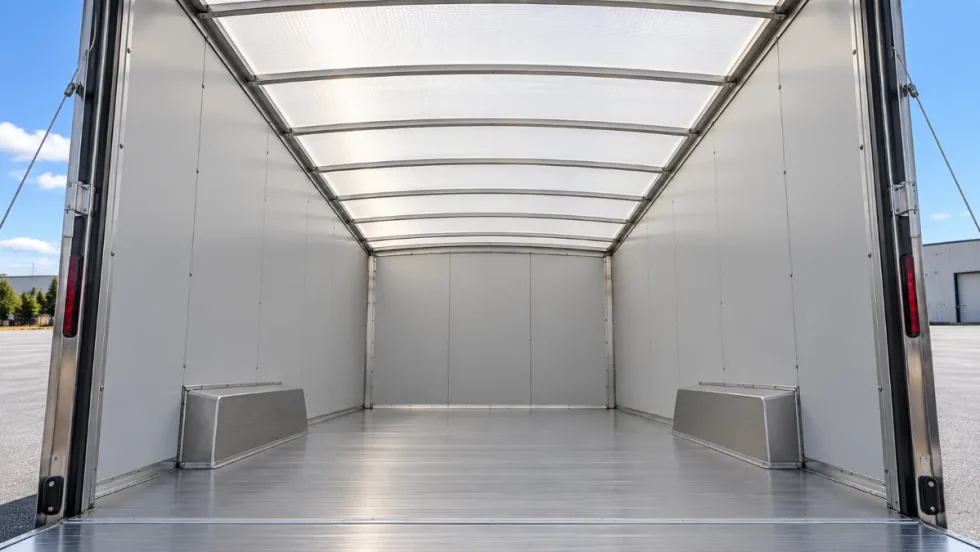
Tekmodo Introduces CargoBright Brand for Translucent Trailer Roofs
CargoBright is designed to diffuse daylight across the cargo area while performing as a working vehicle roof.
Read More →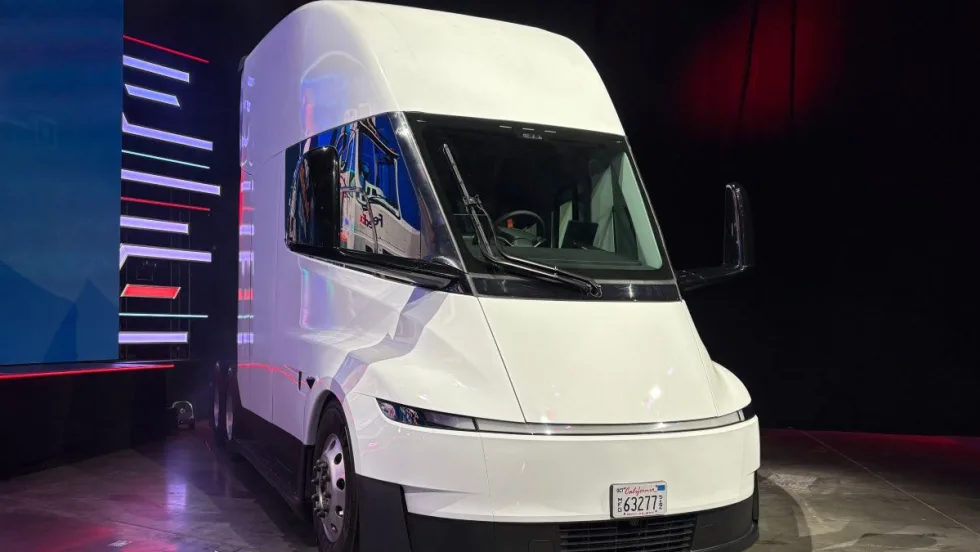
Fleet Economics Shape Electric Truck Outlook
ACT Research expects costs, charging infrastructure, and technology improvements to drive zero-emission commercial vehicle adoption as federal regulations and incentives retreat.
Read More →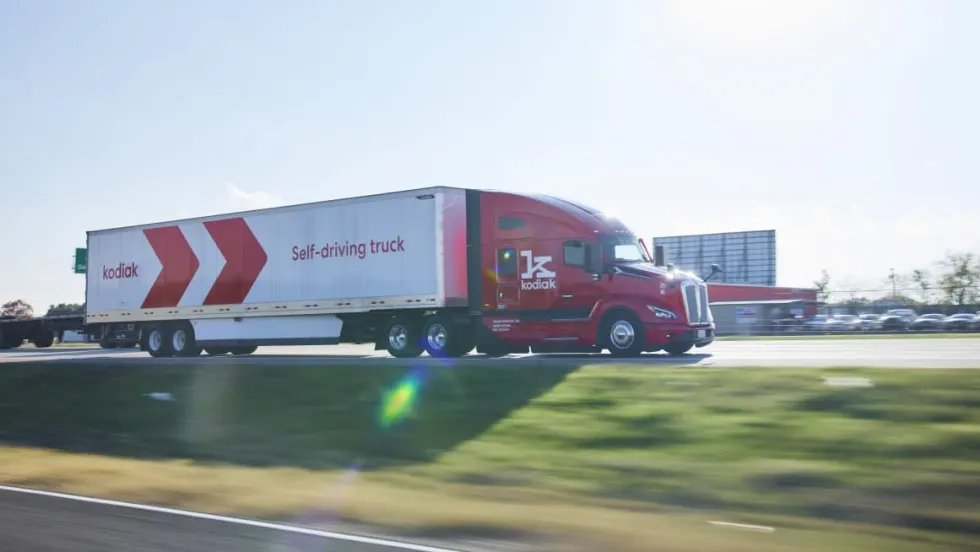
Kodiak Targets Dallas–Houston for Driverless Trucks
The company says its autonomous trucks are completing the I-45 run without a safety observer taking control. It plans to remove the observer by the end of 2026.
Read More →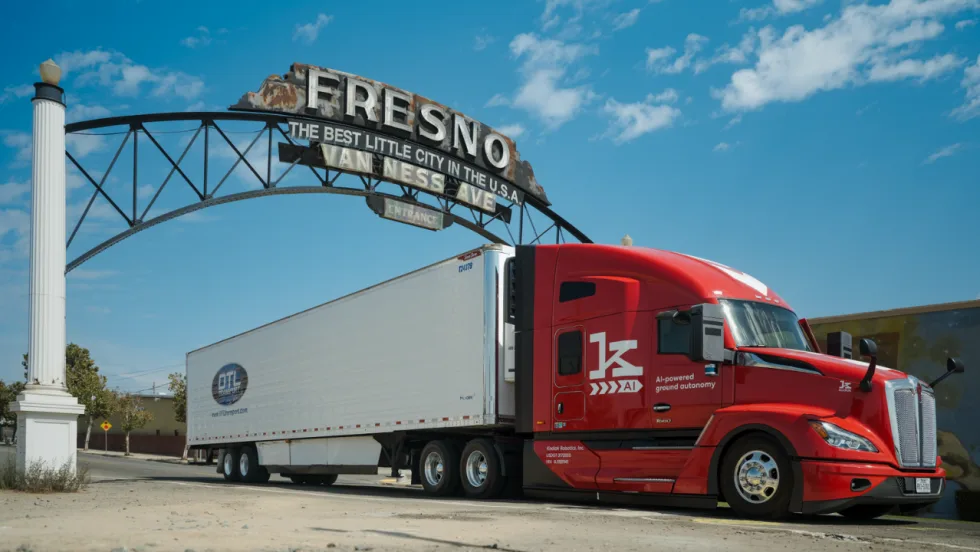
Kodiak Hauls Produce in California Autonomous Truck Pilot
Kodiak AI and DTL Transport have begun hauling produce between Fresno and Los Angeles under California’s new rules for testing heavy-duty autonomous trucks. A safety driver remains behind the wheel.
Read More →
Used-Truck Remarketing Math Is Changing
Used-truck value is no longer just a concern at trade-in. Decisions made throughout a truck’s first life can influence what it’s worth years later.
Read More →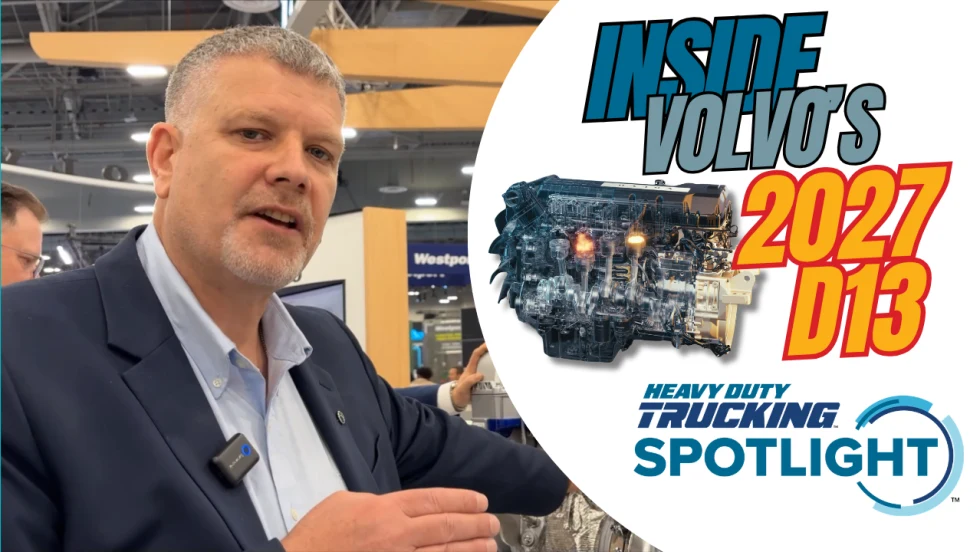
How Volvo Updated Its D13 for EPA 2027 [Watch]
Volvo’s updated D13 promises lower emissions without sacrificing performance or fuel economy. Take a closer look at what changed inside the engine in this HDT Spotlight video.
Read More →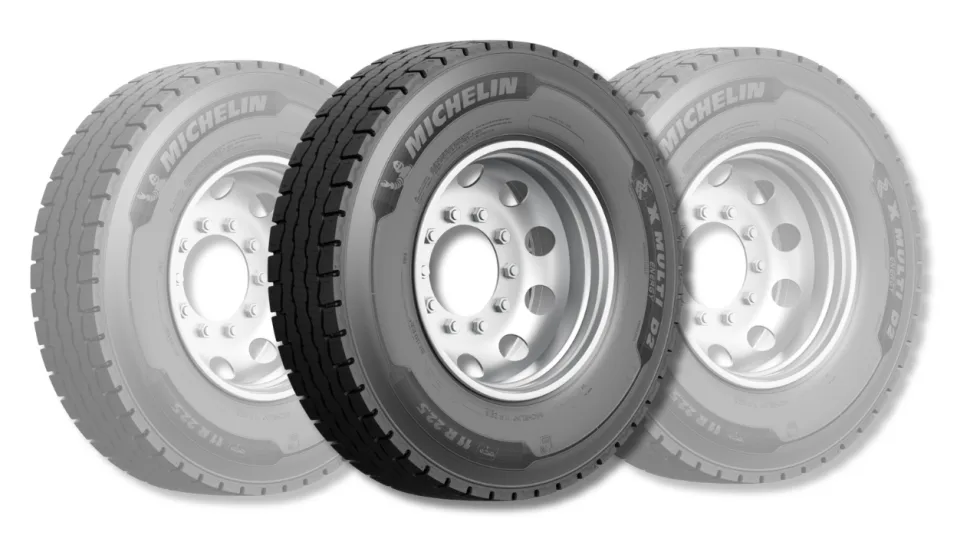
Michelin Tire Improves Efficiency and Durability for Regional Fleets
The Michelin X Multi Energy D2 is a regional haul drive tire engineered to help fleets improve fuel efficiency, durability and traction in demanding stop-and-go operations.
Read More →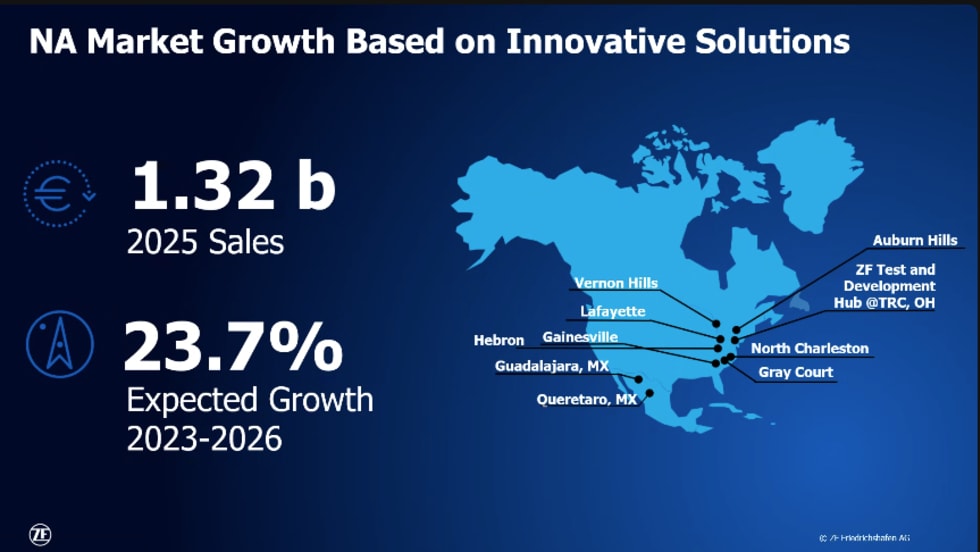
ZF Expands Commercial Vehicle Push in North America
ZF is expanding its North American commercial-vehicle presence with new transmission applications, electrification, trailer technology and autonomous-driving systems.
Read More →