




Group Lobbying For Larger Rigs
A coalition of shippers, motor carriers, manufacturers and others is hosting meetings in Washington, D.C., this week to urge Congress to adopt several demonstration pilot projects related to larger trucks in the upcoming congressional highway reauthorization bill.
A coalition of shippers, motor carriers, manufacturers and others is hosting meetings in Washington, D.C., this week to urge Congress to adopt several demonstration pilot projects related to larger trucks in the upcoming congressional highway reauthorization bill.
The current highway bill is scheduled to expire in September of 2009 and deliberations and hearings have just begun on crafting the next bill's priorities.
Americans for Safe and Efficient Transportation is targeting Maine, Minnesota, Wisconsin, South Carolina and Georgia. A sixth state - Texas - remains a strong possibility to be added. These states were chosen in part because of their economic base for ASET's membership but also because of their distinction of having a port or border issue.
The group believes that because Canada, Mexico and most of Europe operate heavier trucks on six axles, the U.S. is at a competitive disadvantage. Giving cross-border help to those moving between Minnesota, Wisconsin and Maine and the Canadian border will address this issue on a small scale - as will giving the ports in South Carolina and Georgia access to heavier containers coming into their ports.
The Teamsters union released a statement criticizing the group's efforts.
Teamsters General President Jim Hoffa on Wednesday urged Congress to ignore trucking industry lobbyists who want to let dangerous large trucks on our highways.
"The idea of letting bigger trucks on the road is just crazy," Hoffa said. "They're extremely dangerous and they ruin our roads and bridges, which are already in bad shape."
"I can't imagine a worse time to promote this idea. Our infrastructure is falling apart and the highway fund is running out of money, and they want to allow trucks that do more damage to roads and bridges?" Hoffa said.
More Drivers

New Independent Contractor Rule Gives Trucking More Clarity
The Labor Department is once again changing how it determines who's an independent contractor. This time, the rule includes specific examples addressing trucking safety requirements, CDLs, and lease-purchase agreements.
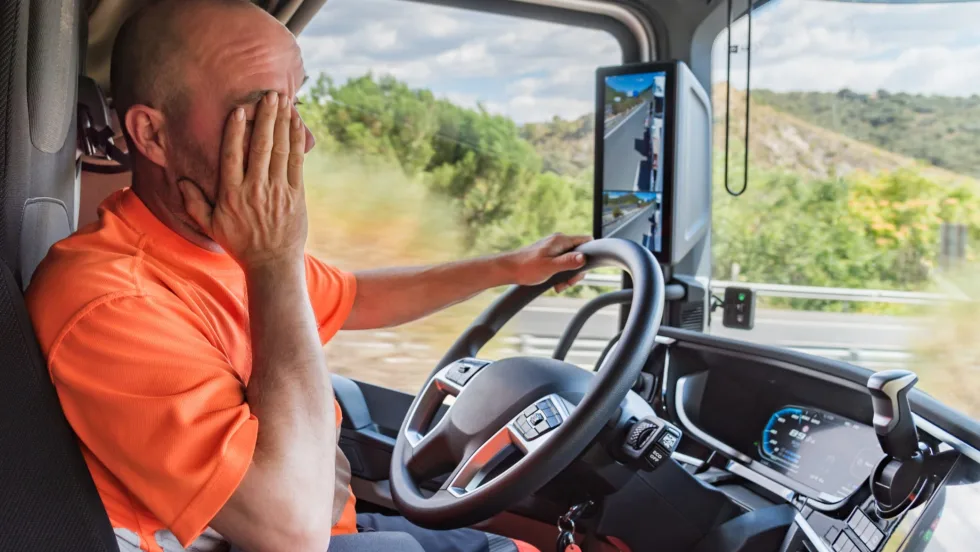
Catching Driver Fatigue is One Thing. What You Do Next Matters Just as Much
Fleets are getting better at detecting driver drowsiness. Few have figured out what should happen next, and that gap is where the real risk still lives.
133 ELDs Revoked as ATA Pushes Certification Reform
FMCSA just removed a record number of electronic logging devices from its registry. ATA says it's time to rethink how ELDs get approved in the first place.

CVSA Sets 2027 International Roadcheck Dates
The annual 72-hour truck inspection blitz will take place May 11–13 across North America. Here's what fleets can expect and what inspectors found during the 2026 event.

FDA Eases Path for Oral-Fluid Testing
Federal actions could advance oral-fluid drug testing for truck drivers, but lab certification delays and marijuana rescheduling questions remain.

Why Hiring Truck Drivers Is Getting Harder
Higher recruiting costs, a shrinking driver pool, and renewed pay competition are raising the stakes for fleets heading into 2027.

Roehl Offers Truck Drivers $10,000 Retention Incentive
Payments begin after the first load and continue in mileage-based installments for eligible experienced drivers joining the fleet.

Platform Science Adds Dispatch and Safety Tools
Four additions to PS Fleet help fleets monitor loads, manage driver coaching, share truck locations and adjust video system settings.

When Language Stops the Truck: The Return of ELP Out-of-Service Orders
English language proficiency rules for commercial drivers aren’t new, but renewed out-of-service enforcement has raised the stakes. Here’s what carriers need to know before a driver reaches a roadside inspection.

Samsara Launches Custom AI Agent Builder
Agent Studio lets fleets create AI tools for hours-of-service monitoring, reporting and driver support, including agents that communicate by phone.