




Get Ready For Onslaught of New Rules From OSHA
The Occupational Safety and Health Administration has made it clear that it's back in the rulemaking business, with a sling of new labor rules in the pipeline for 2010 that trucking companies ought to be aware of. That's the message that was presented during the American Trucking Associations' recent webinar "OSHA Outlook: What to Expect from OSHA in the Current Political Climate," lead by Larry Halprin, a partner at Keller and Heckma
Photo courtesy of MTS Driver Recruiters
The Occupational Safety and Health Administration has made it clear that it's back in the rulemaking business, with a sling of new labor rules in the pipeline for 2010 that trucking companies ought to be aware of. That's the message that was presented during the American Trucking Associations' recent webinar "OSHA Outlook: What to Expect from OSHA in the Current Political Climate," lead by Larry Halprin, a partner at Keller and Heckman
, a law firm focusing on regulatory law, litigation, and business transactions.
Changes at OSHA
Since Obama's election, OSHA and the Department of Labor have been shaking things up, with new staff and a new regulatory agenda, which is published every six months. According to Halprin, Secretary of Labor Hilda Solis is the new sheriff in town. She has a strong pro-labor background, and runs the DOL as if she's still on the campaign trail, Halprin says. Other fresh blood include Jordan Barab, deputy assistant secretary at OSHA; Deborah Berkowitz, chief of staff at OSHA; and Dr. David Michaels, the new administrator of OSHA.
On the Agenda
This month, OSHA is scheduled to hold a stakeholders meeting regarding a regulation in the pre-rule stage that would adopt a combustible dust standard. According to OSHA, if dust from any combustible material is suspended in the air in the right concentration, it can become explosive, leading to employee deaths, injuries and destruction of entire buildings.
Materials that may form combustible dust include metals (such as aluminum and magnesium), wood, coal, plastics, biosolids, sugar, paper, soap, and certain textiles. Trucking companies that haul these goods are subject to this standard, especially when the driver is involved in taking the materials out of the truck, hooking up hoses, etc. Halprin says it's likely that OSHA will pass the standard.
Another standard in the pre-rule stage involves crystalline silica, which can cause Silicosis, a disabling, nonreversible and sometimes fatal lung disease. It can be found in brick, rock, concrete, and other building materials, Halprin says. If a carrier has a facility built out of these materials or is hauling these materials, the trucking company would be subject to the standard.
OSHA has a proposed rule on the table to protect employees from hazardous working conditions in the shipyard, including the control of hazardous energy, safe operation and maintenance of vehicles, accident prevention signs and tags and servicing of multi-piece and single piece rim wheels. OSHA is proposing to define "motor vehicle" as "any motor-driven vehicle operated by an employee that is used to transport employees, materials, or property."
The rule is meant to extend federal, state and local laws on public roads to the shipyard. This includes regulations governing seat belt use and vehicle inspection.
Final Rule Stage
OSHA is working on a final rule for the handling and investigation of retaliation complaints. The rule would provide retaliation protection to employees working for commercial motor carriers who report potential violations or engage in certain activities related to safety and security.
The standard, which would go into effect in March, includes a "kick-out" provision allowing the employee to file the complaint in District Court if the secretary of labor has not issued a final decision within 210 days of the filing.
"The Paw Act"
Another law to become familiar with is called the Protecting America's Workers Act, or "The Paw Act," a major OSHA reform bill on Capitol Hill. If passed, the law would extend OSHA's coverage to federal, state and local government employees, Halprin says. This aspect of the law would level the playing field, since government workers would be subject to OSHA rules, Halprin adds.
The law would also extend to activities presently covered by other federal agencies' safety and health regulations, such as those of the Department of Transportation and the Environmental Protection Agency.
The legislation would expand whistleblower provisions, including extending the filing deadline from 30 to 180 days. It would also prohibit employers from discouraging injury/illness reporting and prohibiting retaliation for reporting, Halprin says. In addition, employers would be required to pay for employee participation in OSHA inspections. The rule would also codify and expand "victims rights," as well as increase both criminal and civil penalties for violations.
All of these laws and proposals are important to the trucking industry, and will likely affect your business in one way or another. Getting educated on these rules and being able to prioritize can help fleets prepare for the onslaught of new regulations on the way.
To see the DOL's most recent regulatory agenda, visit www.reginfo.gov/public/do/eAgendaMain.
More Drivers
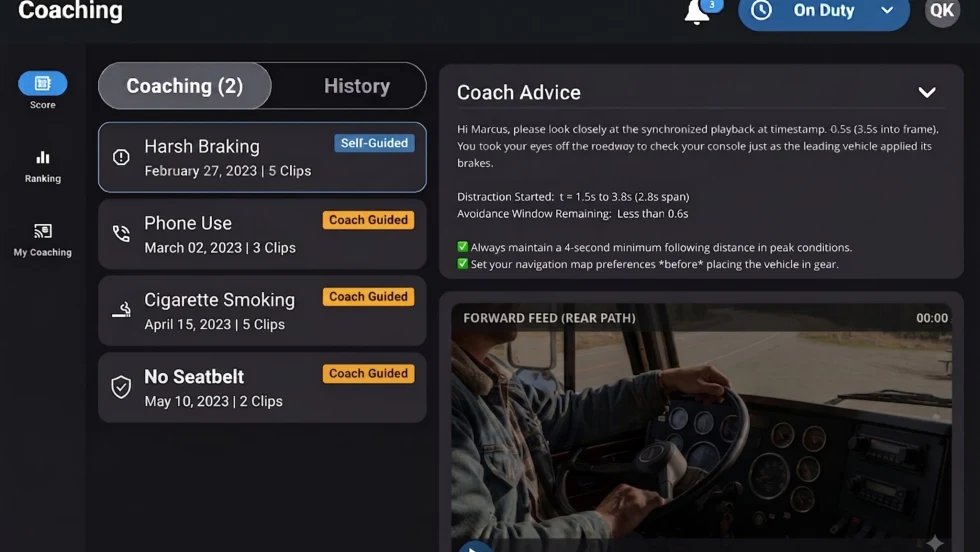
Platform Science Adds Dispatch and Safety Tools
Four additions to PS Fleet help fleets monitor loads, manage driver coaching, share truck locations and adjust video system settings.
Read More →
When Language Stops the Truck: The Return of ELP Out-of-Service Orders
English language proficiency rules for commercial drivers aren’t new, but renewed out-of-service enforcement has raised the stakes. Here’s what carriers need to know before a driver reaches a roadside inspection.
Read More →
Samsara Launches Custom AI Agent Builder
Agent Studio lets fleets create AI tools for hours-of-service monitoring, reporting and driver support, including agents that communicate by phone.
Read More →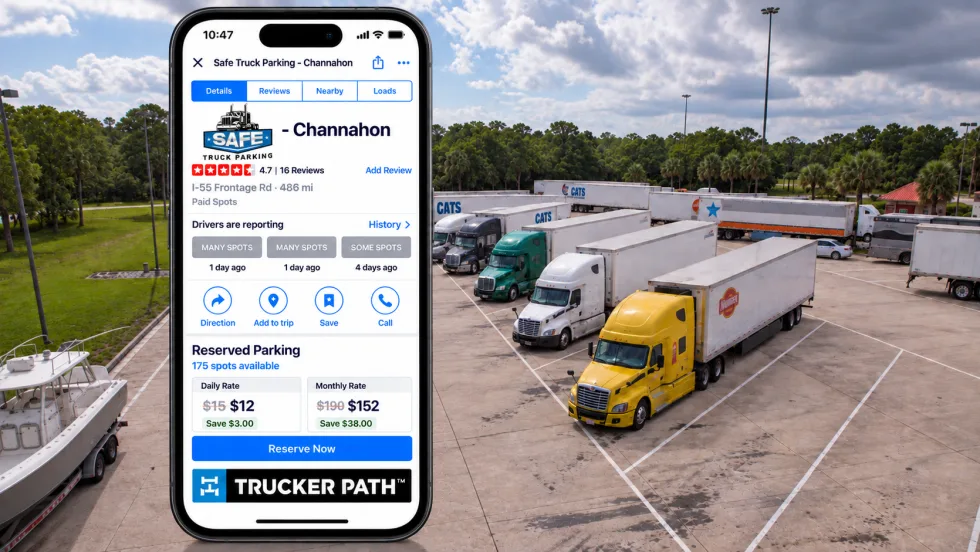
Trucker Path Expands Reserved Parking Network
Trucker Path has added close to 6,000 more truck parking spaces to its Trucker Path Reserved Parking Network with the addition of Safe Truck Parking.
Read More →
EEOC Sues Texas Trucking Company Over Driver Age Limits
The agency says Trancasa USA rejected applicants over 65 and applied tougher driving-record standards to those over 60.
Read More →
Nussbaum, Roehl Announce Second Driver Pay Increase This Year
This year has seen a swath of major truck driver pay increases as freight capacity has tightened.
Read More →
From One Generation to the Next: How Mentorship Builds Safer Truck Drivers
After three decades in trucking, Harold Perry shares what he's learned about driver safety, mentorship, and helping the next generation build confidence behind the wheel.
Read More →
Truck Drivers Need More Than Another Alert
Fleets have more visibility into truck health, safety events, and driver activity than ever. The next challenge is turning all that information into useful guidance for the person who has to decide what to do next.
Read More →
FMCSA Removes 110 Truck Driver Training Schools from Certified ELDT List
Federal regulators also are targeting more than 160 additional training providers and launching a nationwide audit of third-party CDL skills testers as part of a broader crackdown on trucking fraud.
Read More →
Hours of Service Pilot Programs: FMCSA Readies for 2027 Rollout
Two pilot programs could eventually reshape hours-of-service rules, giving truck drivers options to pause their 14-hour clock or use longer split sleeper rest periods.
Read More →