




GAO Report Warns Against Public-Private Highway Partnerships
The American Trucking Associations said it welcomes the Government Accountability Office's just-released report on highway public-private partnerships, which predicts those finance schemes can create costly highway monopolies.
The American Trucking Associations said it welcomes the Government Accountability Office's just-released report on highway public-private partnerships, which predicts those finance schemes can create costly highway monopolies.
The report, warning motorists that there is no "free money" for highway infrastructure, confirmed ATA's position that utilizing public-private partnerships to fund infrastructure ultimately can be more costly to the motoring public than traditional funding solutions and may not sufficiently consider the public good.
"Schemes such as the privatization and tolling of existing highway infrastructure will result in Americans paying a significantly higher price to access our highway system while receiving less in the form of safe, efficient and reliable roadways," said ATA President and CEO Bill Graves. "It's an important development to have the GAO acknowledge that such funding mechanisms are not in the best interest of the American taxpayers."
In its report, the GAO said any benefits of public-private partnerships come with trade-offs that overlook public interest and are costly to the public sector. For example, tolls on privately operated highways will likely be higher than on publicly operated toll roads, according to the report. The GAO also criticized the limited efforts to systematically determine the public interest and to generate a cost-benefit analysis for each project.
"… There is no 'free' money in public-private partnerships," the report said. "There is also the risk of tolls being set that exceed the costs of the facility, including a reasonable rate of return, should a private concessionaire gain market power because of the lack of viable travel alternatives. Highway public-private partnerships are also potentially more costly to the public than traditional procurement methods and the public sector gives up a measure of control, such as the ability to influence toll rates. Finally, as with any highway project, there are multiple stakeholders and trade-offs in protecting the public interest."
ATA opposes the lease or sale of existing toll roads, bridges or tunnels to private entities and has called on government to abandon these financing techniques. The trucking industry supports a toll-free national highway system where funds to finance highway improvement primarily come from fuel taxes. ATA said it believes privatization permits operators to increase tolls to prohibitive levels. Under such lease agreements, the public loses a degree of control over the road, and there are no guarantees that service and safety levels will be maintained.
A full copy of the report titled "Highway Public-Private Partnerships: More Rigorous Up-Front Analysis Could Better Secure Potential Benefits and Protect the Public Interest" can be accessed at www.gao.gov/new.items/d0844.pdf.
More Drivers
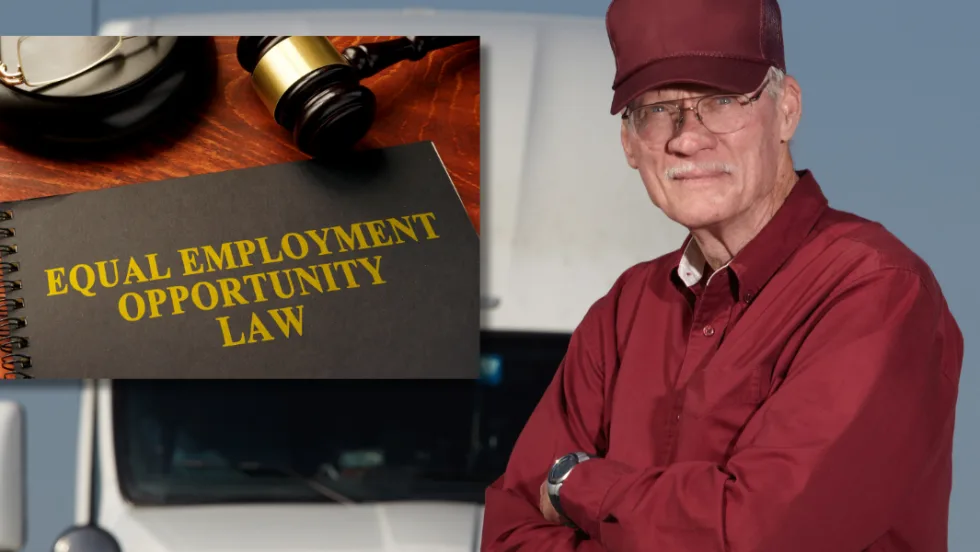
EEOC Sues Texas Trucking Company Over Driver Age Limits
The agency says Trancasa USA rejected applicants over 65 and applied tougher driving-record standards to those over 60.
Read More →
Nussbaum, Roehl Announce Second Driver Pay Increase This Year
This year has seen a swath of major truck driver pay increases as freight capacity has tightened.
Read More →
From One Generation to the Next: How Mentorship Builds Safer Truck Drivers
After three decades in trucking, Harold Perry shares what he's learned about driver safety, mentorship, and helping the next generation build confidence behind the wheel.
Read More →
Truck Drivers Need More Than Another Alert
Fleets have more visibility into truck health, safety events, and driver activity than ever. The next challenge is turning all that information into useful guidance for the person who has to decide what to do next.
Read More →
FMCSA Removes 110 Truck Driver Training Schools from Certified ELDT List
Federal regulators also are targeting more than 160 additional training providers and launching a nationwide audit of third-party CDL skills testers as part of a broader crackdown on trucking fraud.
Read More →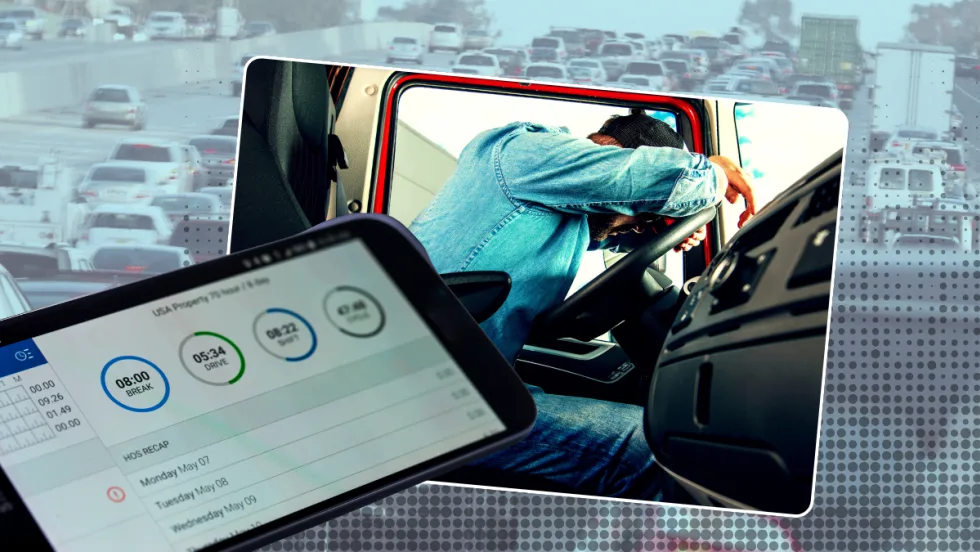
Hours of Service Pilot Programs: FMCSA Readies for 2027 Rollout
Two pilot programs could eventually reshape hours-of-service rules, giving truck drivers options to pause their 14-hour clock or use longer split sleeper rest periods.
Read More →
Medical Cards, English Proficiency Reshape Roadcheck Violations
Medical-card violations jumped to the top of the driver out-of-service list during CVSA’s 2026 International Roadcheck, while English-language proficiency violations appeared among the leading violations for the first time.
Read More →
Driver Trust Can Make or Break the Success of Fleet Safety Technology
New Teletrac Navman research suggests that onboarding, transparency about driver data, and positive feedback can play a significant role in how commercial drivers respond to safety and coaching technology.
Read More →
EEOC Sues KLLM Over Alleged Sex Discrimination in Driver Training
KLLM is facing a federal sex-discrimination lawsuit over policies the EEOC alleges put female truck driver trainees at a disadvantage.
Read More →
FMCSA Moves to Codify English Language Requirements for Commercial Drivers
By changing regulations on English-language proficiency requirements for commercial drivers, rather than relying on a guidance memo, the FMCSA said future administrations won't be able to walk back the Trump administration's stricter enforcement with just a memo.
Read More →