




Despite record revenues for second quarter, Werner Enterprises’ profits showed the effects of high fuel prices and a weak used truck market.
Operating revenues for the quarter were $307.2 million up 18% from the same period last year, but net income fell from $17.6 million in second quarter 1999 to $12.9 million this year.
“The current operating environment for truckload carriers is challenging,” said Chairman and CEO Clarence Werner.
Fuel prices remained at levels approaching a 10-year high during second quarter. The company said it has made substantial progress in improving the percentage reimbursement from customers for higher fuel costs, but Werner also incurs fuel cost for empty miles, out-of-route miles caused in part by driver home time needs, truck idling, and reimbursements to owner-operators. An oversupply of both new and used trucks drove down prices and reduced the number of used trucks sold.
Werner said they have temporarily slowed fleet growth and are focusing on margin improvement. Despite a slightly softer freight market during the second quarter, the carrier maintained its average miles per tractor and low empty mile percentage. “We have also had success raising our freight rates,” he said.
Operating revenues for the first six months were $598.6 million versus $501.6 million for the same period in 1999. Net income was $23.2 million versus $30.2 million a year ago.
Fuel Prices, Used Truck Glut Hurts Werner
Despite record revenues for second quarter, Werner Enterprises’ profits showed the effects of high fuel prices and a weak used truck market
More Drivers

New Trojan Driver Cargo Theft Scam Bypasses Carrier Vetting Systems
Cargo theft rings plant operatives as drivers inside legitimate, fully vetted carriers, then execute coordinated thefts that look like a traditional straight theft from the outside.
Read More →
WIM, Trucker Path Name Top 3 Women-Friendly Truck Stops
ATA’s Women In Motion Council and Trucker Path highlight three truck stops that meet all seven safety-focused criteria and rank highest among female drivers.
Read More →
FMCSA Extends Paper Medical Card Exemption … Again
Five states still aren't ready to accept commercial driver medical exam information directly from the medical examiner's registry.
Read More →
Mack Launches Digital Driver Guide for Chassis-Specific Truck Info
Mack’s new, virtual owner’s manual delivers VIN-based, on-demand guidance for vehicle systems via web, app, and soon in-cab displays.
Read More →
Western Star Showcases Truckers' Pride and Skill
Western Star is expanding its Star Nation Experience in 2026, adding new competitions and dealer participation to highlight operator skills and promote careers in trucking.
Read More →
Best Fleets to Drive For: Two Carriers Earn Overall Award for First Time
CarriersEdge announced the 2026 Best Fleets to Drive For overall winners, with Crawford Trucking, Fortigo Freight Services, and FTC Transportation receiving top awards.
Read More →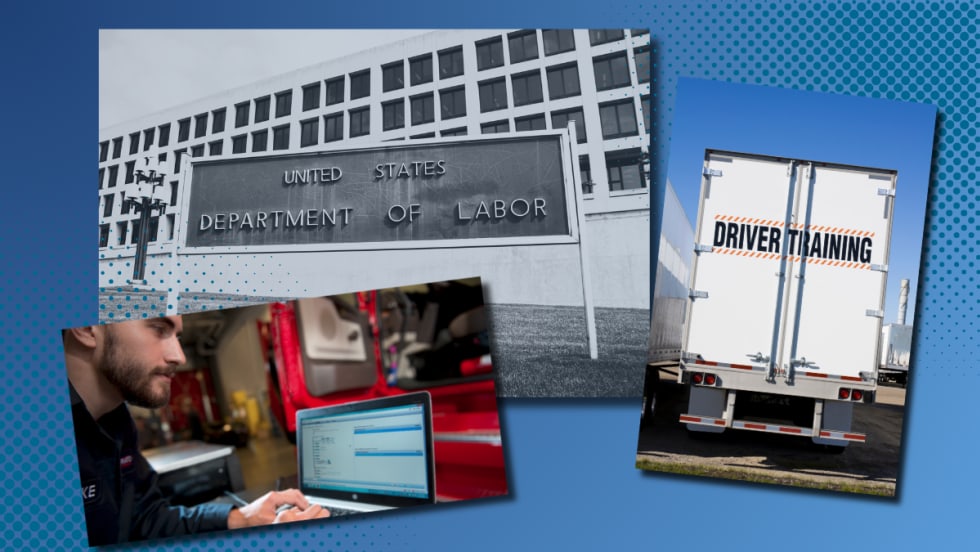
Federal Proposal Would Allow Pell Grants for Shorter-Term Job Training
The Department of Labor plans to expand Pell Grant eligibility to some shorter workforce training programs, a move the American Trucking Associations said will help strengthen commercial driver training schools and diesel technician training programs.
Read More →
Owner-Operator Model Gets Boost as DOL Proposes 2024 Independent Contractor Definition Reversal
For an industry that has watched this issue go back and forth for years, the independent contractor proposal marks the latest swing in the regulatory pendulum.
Read More →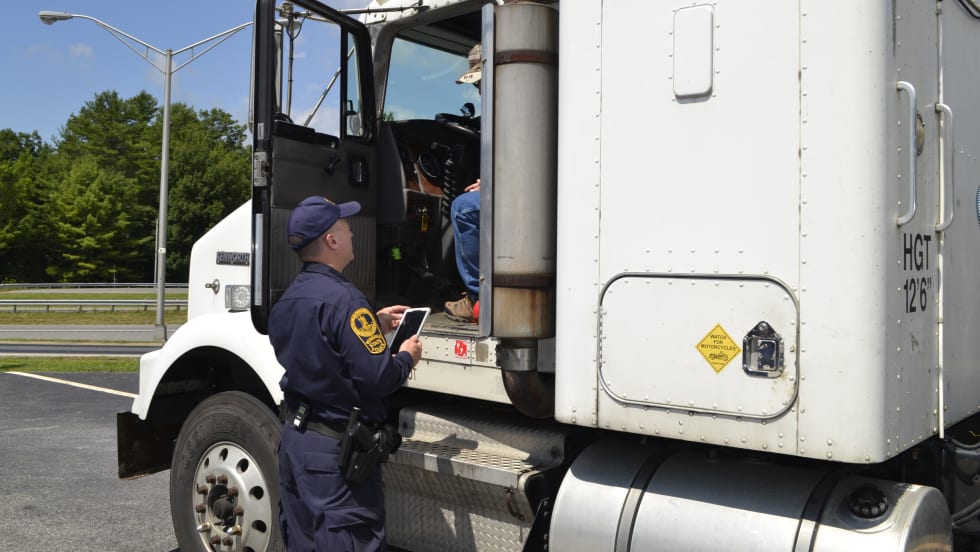
FMCSA Reinstates Field Warrior ELD to Registered Device List
One electronic logging device has been reinstated to the FMCSA's list of registered ELDs.
Read More →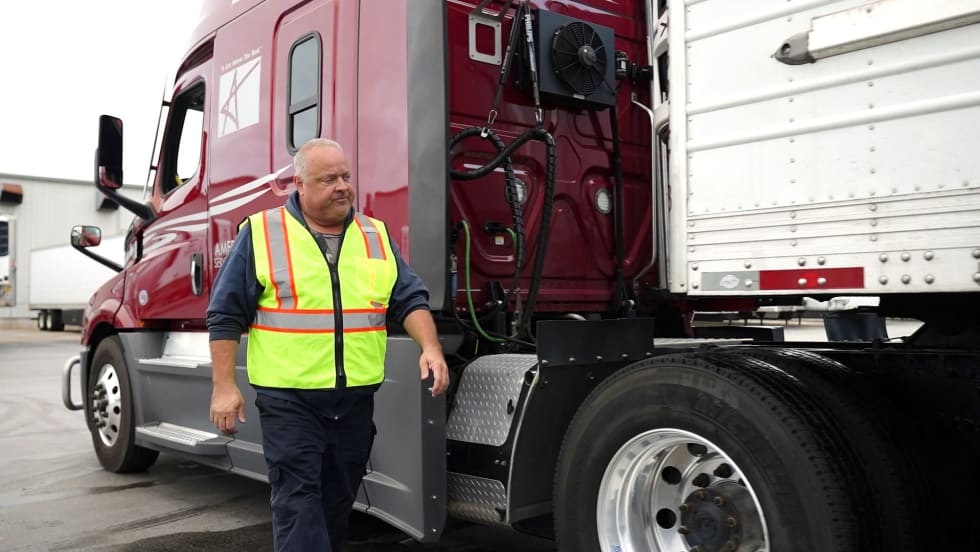
How One Company is Using Smart Suspension Technology to Reduce Driver Injuries and Improve Retention
America’s Service Line adopted Link’s SmartValve and ROI Cabmate systems to address whole-body vibration, repetitive strain, and driver turnover. The trucking fleet is already seeing measurable results.
Read More →