




FTR: Trucking Industry to Fare Adequately in 2012, Oil Prices Will Fall
FTR Associates says the outlook for the 2012 trucking industry is fair. In FTR's "State of Freight" webinar late last week, analysts addressed the overall economy as well as specifics about trucking and oil, a particularly hot topic because of climbing prices
FTR Associates says the outlook for the 2012 trucking industry is fair. In FTR's "State of Freight" webinar late last week, analysts addressed the overall economy as well as specifics about trucking and oil, a particularly hot topic because of climbing prices.
Senior Consultant Noel Perry said the forecast for truckload growth during the next year looks very much like the GDP pattern and is about equal to the overall rate we've had since recovery started. "A 4% truckload growth rate should do more than enough to sustain prices and recovery equipment orders, maybe even enough to encourage fleets to order for growth."
As for the driver shortage, Perry said, "We've fallen behind because of cyclical drag." In an upturn, he explained, we go from very small hiring requirements to very large hiring requirements. It is unlikely that anybody's hiring capacity can expand fast enough to keep up, partly because fleets lowered hiring due to the recession.
The government will be magnifying the challenge of driver shortage by adding regulations. Currently, there are 13 agendas running around in Washington. "In the short term, the effect is to disqualify a substantial number of drivers," Perry said.
Perry's forecast for oil prices in 2012 was promising, given the recent trend of rising prices. "We track what OPEC's spare capacity is," Perry said. "When it's high, when people are adding new wells more rapidly than consumption goes up, the market softens. On a fundamental basis in 2012, there is no problem in the oil market. That puts the recent rise in a very important perspective. We know Iran is affecting this."
"I think [the situation with] Iran will simmer down in three to four months and prices will return to equilibrium," Perry said. "I think they will fall after we have this first and second quarter peak."
Also modestly driving up prices are oil companies closing older, less efficient refineries in the east.
"Some really good news about U.S. oil supplies," Perry said, "is that we have actually -- and you'd never know it listening to parties talk about it during election -- reduced dependence on crude oil 20% since 2006."
He said with the natural gas wells we're drilling, we have a major global advantage in price of the fuel, and that has five important implications:
1. It takes lots of trucks to do drilling work -- at least 65,000 full-time drilling trucks.
2. It's feedstock for the chemical industry.
3. Critical input into refining processes helps lower price of refined products.
4. It provides alternative fuel for some transportation applications.
5. It's a good alternative fuel for heating and utilities, and that makes for a good transportation environment.
Perry also said that the U.S. debt crisis will come to a head in several years.
"The U.S. economy will have a gun to its head by mid-decade," Perry said. "It's going to be very difficult for the U.S. to make those hard choices to get our budget back in balance. You have to assume the solution will be late and problematic. At least at first, it will probably be a failure, and when you fail to handle debt problems, first thing lenders do is increase borrowing costs."
More Fleet Management

Nomination Deadline Extended for HDT Emerging Leaders
Just a few more days to nominate accomplished trucking fleet professionals under 40 who are making an impact and helping lead the industry forward for the HDT Emerging Leaders award. Deadline extended to October 20!
Read More →
What Will ATA’s New Leader Bring to Trucking's Table?
Incoming President and CEO Mark Colson’s record in Alabama offers clues about his priorities and approach following Chris Spear’s abrupt departure as the head of the American Trucking Associations.
Read More →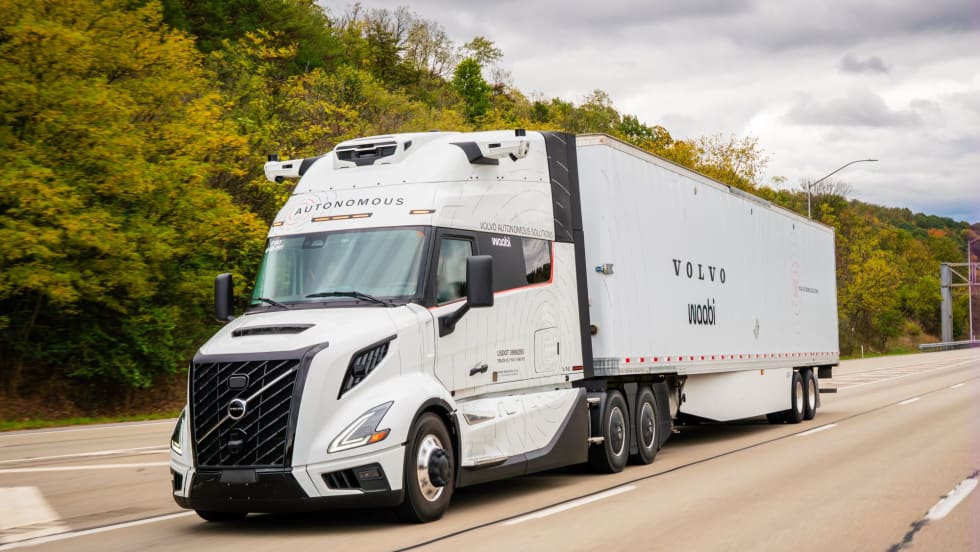
Volvo, Waabi Start Commercial Autonomous Operations in Texas
Volvo VNL Autonomous trucks, powered by the Waabi Driver, are hauling freight directly to third-party facilities for a customer in Texas.
Read More →
Samsara Launches Custom AI Agent Builder
Agent Studio lets fleets create AI tools for hours-of-service monitoring, reporting and driver support, including agents that communicate by phone.
Read More →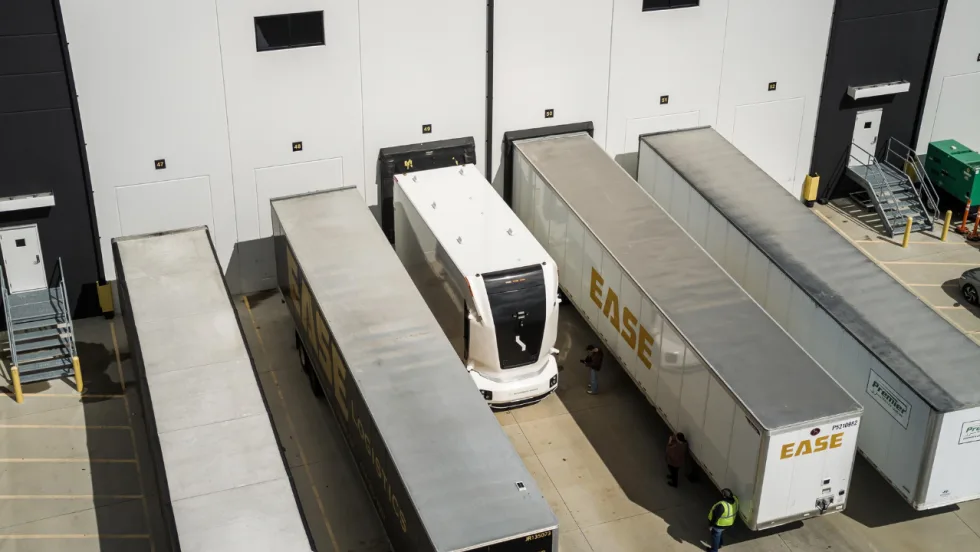
Einride Driverless Electric Trucks Begin Daily Freight Operations in Ohio
Two cabless electric trucks are hauling freight between EASE Logistics facilities in Marysville, Ohio, as part of a multi-state truck automation project.
Read More →
Geotab Links Fleet Card to Vehicle Data
The new card combines fuel discounts with telematics-based purchase controls. Geotab’s analysis also points to potential savings from choosing lower-priced fuel stops.
Read More →
How MFA Helps Protect Trucking Fleets
Multi-factor authentication adds protection when passwords are stolen. Here’s how it works and where fleets should start.
Read More →
How Better Freight Data Helps Trucking Teams Get Ahead of Disruption
Trucking and logistics teams have plenty of data. The problem is getting the right information in front of the right people soon enough to act. Better-connected data can help teams spot trouble earlier and make smarter decisions before small problems become big ones.
Read More →
Trimble: Taking Artificial Intelligence in Trucking Beyond Faster Tasks
At Insight 2026, Trimble executives argued that fleets may need to redesign workflows to get more from AI as it introduced new products and enhancements. AI’s value will depend on how fleets combine automation with their people's knowledge.
Read More →
Build a bulletproof fleet: Uniting ELDs and dash cams for total compliance
An ELD can prove compliance, but it cannot always prove what happened on the road. Discover how uniting accurate ELD data with AI-powered dash cam video can help your fleet strengthen compliance, defend against liability, protect drivers and reduce operational costs.
Read More →