




FTR Shippers Conditions Index Steadies in March
FTR Associates' Shippers Conditions Index for March did not show much change from the previous month. The index currently stands at -5.3, representing a moderately unfavorable condition for shippers that is expected to persist until the onset of the busy fall shipping season
FTR Associates' Shippers Conditions Index for March did not show much change from the previous month. The index currently stands at -5.3, representing a moderately unfavorable condition for shippers that is expected to persist until the onset of the busy fall shipping season.
At that point, capacity will begin to tighten further resulting in deterioration in the shipping environment.
By the end of the year and into 2013, shippers can expect further fall off in their position with carriers as their options become more limited and costs increase due to new hours of service regulation implementation and the accompanying reduction in available capacity.
"After a steep drop in February the SCI stabilized in March as conditions in the trucking industry steadied," says Larry Gross, senior consultant for FTR. "February demand was unusually strong, but it appears that some of that volume was simply freight moving earlier this year due to the mild winter weather. The seasonal jump from February to March was not as strong as usual this year."
The SCI sums up all market influences that affect shippers; a reading above zero suggests a favorable shipping environment, while a reading below zero is unfavorable. Details of the current factors affecting the March Shippers Conditions Index are in the May issue of FTR's Shippers Update.
The Shippers Update, launched in 2010, looks at conditions that will affect the cost and efficiency of shipping goods via all transportation modes.
More Fleet Management
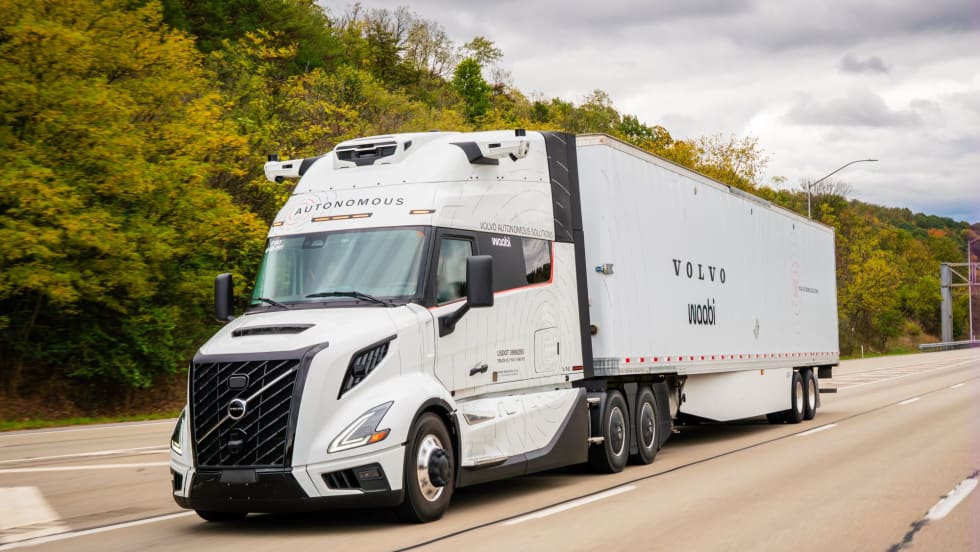
Volvo, Waabi Start Commercial Autonomous Operations in Texas
Volvo VNL Autonomous trucks, powered by the Waabi Driver, are hauling freight directly to third-party facilities for a customer in Texas.
Read More →
Samsara Launches Custom AI Agent Builder
Agent Studio lets fleets create AI tools for hours-of-service monitoring, reporting and driver support, including agents that communicate by phone.
Read More →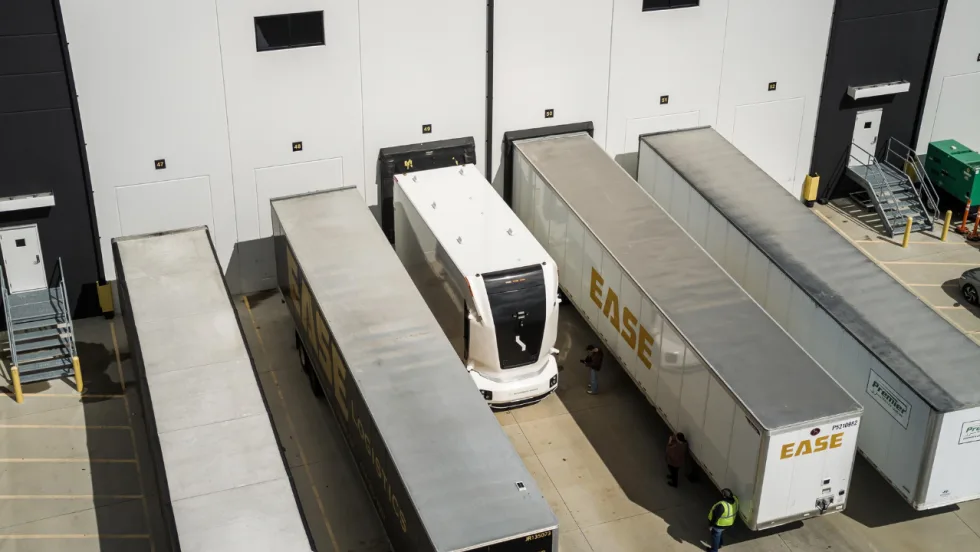
Einride Driverless Electric Trucks Begin Daily Freight Operations in Ohio
Two cabless electric trucks are hauling freight between EASE Logistics facilities in Marysville, Ohio, as part of a multi-state truck automation project.
Read More →
Geotab Links Fleet Card to Vehicle Data
The new card combines fuel discounts with telematics-based purchase controls. Geotab’s analysis also points to potential savings from choosing lower-priced fuel stops.
Read More →
How MFA Helps Protect Trucking Fleets
Multi-factor authentication adds protection when passwords are stolen. Here’s how it works and where fleets should start.
Read More →
How Better Freight Data Helps Trucking Teams Get Ahead of Disruption
Trucking and logistics teams have plenty of data. The problem is getting the right information in front of the right people soon enough to act. Better-connected data can help teams spot trouble earlier and make smarter decisions before small problems become big ones.
Read More →
Trimble: Taking Artificial Intelligence in Trucking Beyond Faster Tasks
At Insight 2026, Trimble executives argued that fleets may need to redesign workflows to get more from AI as it introduced new products and enhancements. AI’s value will depend on how fleets combine automation with their people's knowledge.
Read More →
Build a bulletproof fleet: Uniting ELDs and dash cams for total compliance
An ELD can prove compliance, but it cannot always prove what happened on the road. Discover how uniting accurate ELD data with AI-powered dash cam video can help your fleet strengthen compliance, defend against liability, protect drivers and reduce operational costs.
Read More →
Nominations Open for HDT Emerging Leaders
Heavy Duty Trucking is looking for accomplished trucking fleet professionals under 40 who are making an impact and helping lead the industry forward.
Read More →
Why Private Fleets Are Taking More Freight
Private fleets are putting their own trucks on demanding customers and high-cost lanes as companies seek greater control over service, costs, and capacity.
Read More →