




FTR’s Trucking Conditions Index Slips 2 Points, Conditions Still Positive
The TCI took a modest hit during April but is still solidly positive and should stay higher for most of 2014. Much of the reason for the April's dip is the abnormal conditions seen during the winter are leveling off, and having less of an impact on capacity and pricing.
The monthly Trucking Conditions Index, published by FTR Associates, fell more than two points in April to a reading of 5.91. The current reading is below the recent trend line for this index but reflects the short term fluctuations inherent in the overall measurement of trucking conditions.
The environment for carriers remains very positive, FTR stressed, with rising prices and tight TL hauling capacity.
“Just as the truck environment continues to get back to normal, the revisions to the GDP data for Q1 gives everyone a moment of pause," notes Jonathan Starks, FTR’s Director of Transportation Analysis. "How could we have had such a strong trucking market when the economy was apparently in decline? Part of the answer lies in the fact that goods movement was abnormal during this winter, and it likely led to a reduction in final inventories at many places. This was one of the biggest weak spots in first quarter GDP. So far, there is no indication that this has continued into the second quarter."
FTR expects truck utilization to remain above 98% indefinitely with good freight demand, limited capacity, and sustained regulatory drag affecting the sector. These conditions continue to push pricing higher with an expected growth of 5% or greater during 2014.
Spot rates have leveled off but are still well above levels seen last year at this time," says Starks. "Contract rates, on the other hand, move up and down much slower as new contracts get slowly implemented over time. Trucking looks to be on very solid footing and should continue to show growth throughout 2014.”
More Fleet Management

Does Your Trucking Fleet Need a New TMS? [Video]
Cloud technology, AI and new integrations are changing what transportation management systems can do. But does taking advantage of those advances mean replacing your existing TMS?
Read More →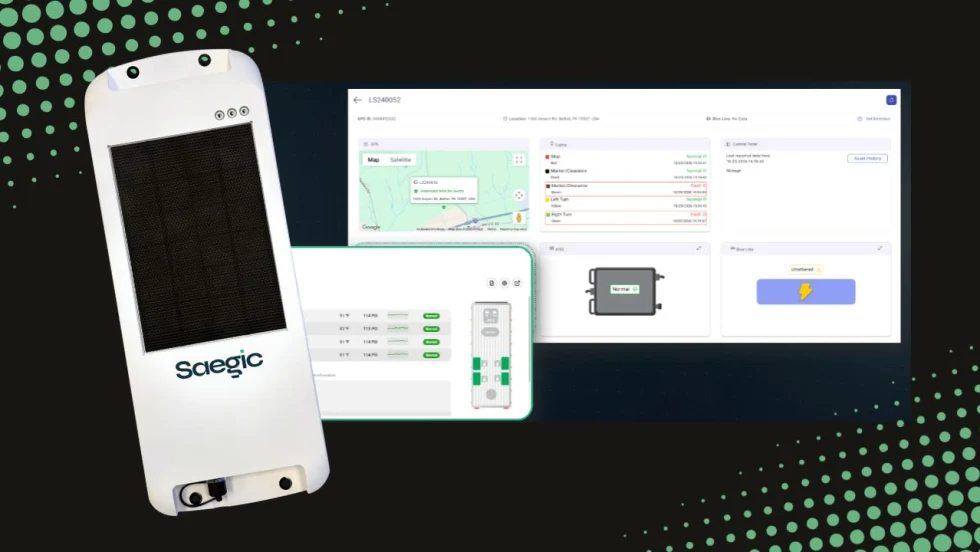
Road Ready Becomes Saegic, Launches New Trailer Telematics Gateway
Clarience Technologies is rolling out new hardware and expanding its plans for connecting trailer telematics, maintenance data, and video.
Read More →
Give Your Trucking Fleet a Cybersecurity Walkaround
Your fleet's cybersecurity policies may look good on paper. These seven checks can help you find out whether they’re working.
Read More →
Kodiak Lines Up Fleets for Driverless Trucking
An agreement for 75 trucks, a new Texas freight lane, and progress on safety validation move Kodiak closer to its planned driverless highway launch.
Read More →
ITS Logistics Settles Religious Harassment Case
The Nevada-based logistics firm agreed to pay more than $396,000 to settle a religious harassment charge involving an employee's Jewish identity.
Read More →
Your Trucks Are Busy. That Doesn’t Mean They’re Winning.
High utilization doesn’t always mean strong margins. Looking beyond the current load can help fleets make better dispatch decisions and get more value from each truck’s time.
Read More →
Why This Trucking Recovery Is Different
Freight demand remains sluggish, but rising costs and tougher enforcement have taken enough capacity out of the market to change the outlook for motor carriers.
Read More →
Platform Science Adds Dispatch and Safety Tools
Four additions to PS Fleet help fleets monitor loads, manage driver coaching, share truck locations and adjust video system settings.
Read More →
PrePass Intelligence Mines Fleet Bypass, Toll and Safety Data
PrePass Intelligence helps fleets measure bypass savings, flag potential toll overcharges, and spot suspicious transactions by combining data from separate systems.
Read More →
Motive Adds AI Agents for Fleet Operations
New tools automate follow-up on fleet data, from maintenance work orders to driver alerts, with two-way voice conversations planned for later this year.
Read More →