




Freight Volume and Expenditures Drop in Latest Cass Index
North American shipment volumes and freight expenditures both continued the decline that began in December after the economy abruptly reversed direction near the end of last year, according to the latest Cass Freight Index.
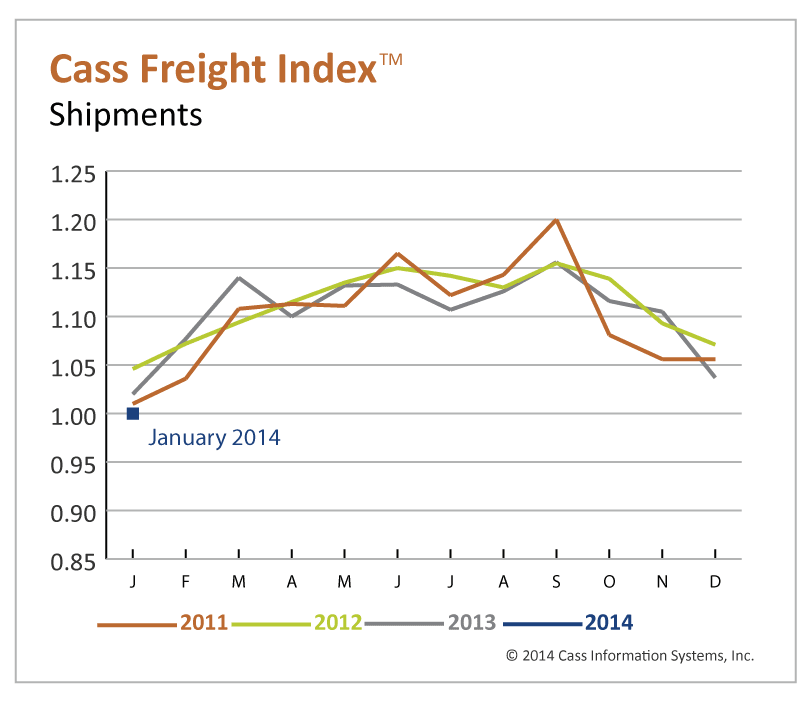

North American shipment volumes and freight expenditures both continued the decline that began in December after the economy abruptly reversed direction near the end of last year, according to the latest Cass Freight Index.
The number of shipments dropped 3.6% in January from December and was 2% lower than a year ago. Freight shipment volumes follow a predictable trend.
“January sees a post‐holiday drop‐off and is also the slowest month of the year. Volumes rise throughout the spring, flatten or even drop during the summer months, peak in August‐September, then fall close to the levels at which the year started,” said Rosalyn Wilson, supply chain expert and senior business analyst with the management consulting firm Delcan Corporation, who provides analysis in the report.
"This year begins the same, with January shipment levels the lowest since 2010. Railroad carload and intermodal loadings, a good barometers of the volume of freight moving, have trended down in the last three months. Snowy January weather contributed to the depressed figures,” she said.
Freight spending dropped 5.1% in January. Much of the decrease can be attributed to the 3.6% decline in the number of shipments. Compared to this time last year, freight expenditures are up 1.4%.
“Movements in our freight expenditures index have been stronger than those for shipment volumes, indicating that there has been very modest growth in rates. The trucking sector is still unable to push rates up significantly, while the railroads have made more headway,” said Wilson.
The report notes many industry observers believe that the economy will gain momentum and that 2014 will be much stronger than last year. “There are still some strong headwinds to overcome in the freight sector, the most obvious of which being the nearly imperceptible growth in volumes. The global marketplace remains weak, so our exports are lagging expectations,” said Wilson. "While the unemployment level continues to fall, the level of new jobs created each month is not enough to sustain the economy.”
She predicts the Federal Reserve will continue to reduce its bond purchases, pushing interest rates higher. “This will have repercussions in the freight sector. The inventory levels that are now higher than those during 2009, when carrying costs were minimal, will become more burdensome and will probably lead to a drawdown similar to what we saw during the recession.”
Wilson said trucking capacity is at exactly the right level for the volume of freight today, but will become inadequate later this year if the predictions of a robust 2014 materialize. “Obtaining credit to purchase new vehicles will become more difficult, probably squeezing out smaller and marginal trucking companies that don’t have the capital to expand their fleet or, almost as important, modernize their fleets,” she said.
Data within the index includes all domestic freight modes and is derived from $23 billion in freight transactions processed by Cass annually on behalf of its client base of hundreds of large shippers.
More Fleet Management
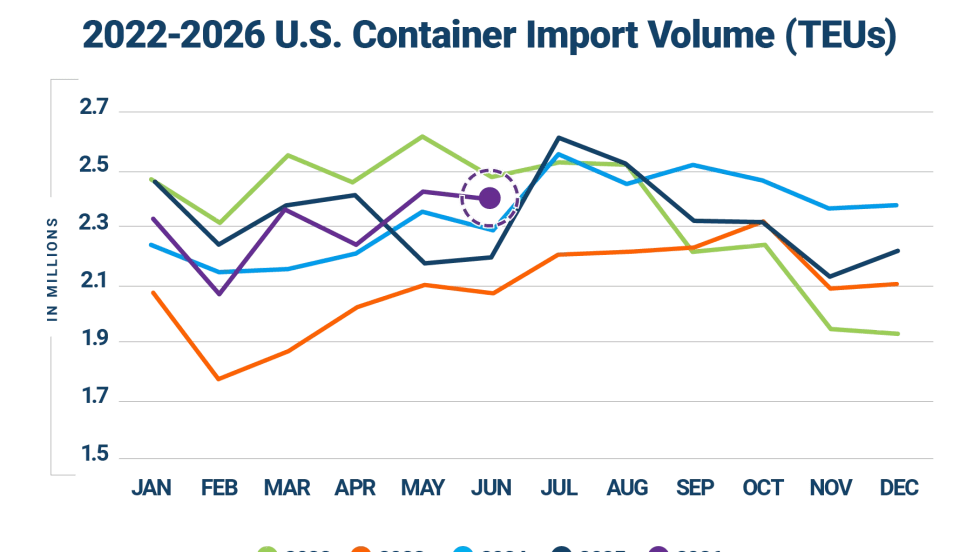
Import Cargo’s Early Peak Season is Winding Down
There was an early start to peak season this year at the nation's gateway ports, as retailers brought in merchandise ahead of tariff changes in late July and responded to other supply chain uncertainties,
Read More →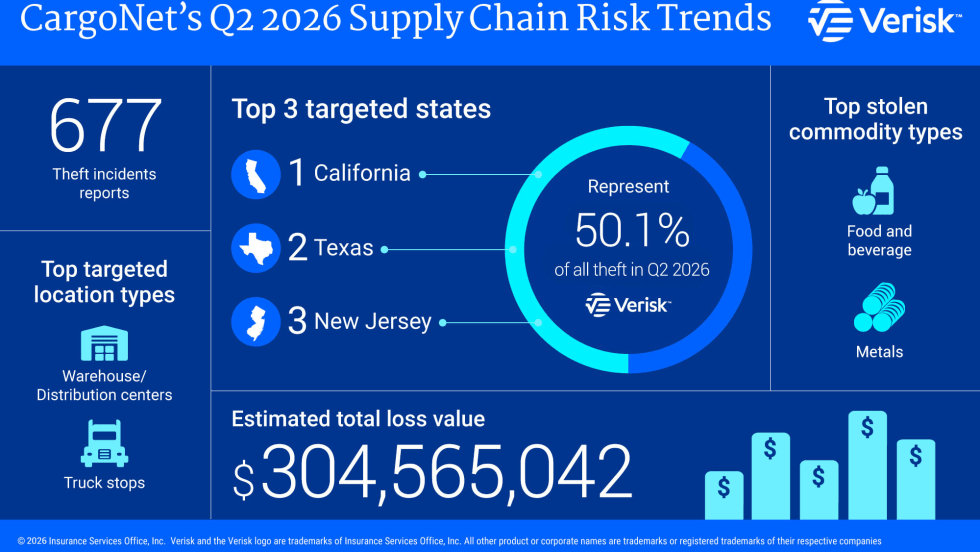
Fewer Cargo Thefts, Bigger Losses: Criminals Target Higher-Value Loads
CargoNet says organized theft rings are stealing fewer shipments but choosing more valuable freight, including metals and technology, resulting in record losses.
Read More →
How Innovative Trucking Leaders Turn Change Into an Advantage
As the pace of change accelerates in trucking, the fleets that adapt best have more than the latest technology. They have cultures that embrace improvement.
Read More →
Freight Broker Bonds Just Got Harder to Get. Here's What That Means for Your Fleet.
When it gets harder for a freight broker to prove they are financially sound, the ones who cannot clear that bar get pushed out of the market. And those are exactly the brokers who used to leave motor carriers holding the bag.
Read More →
Long-Awaited Canadian Border Bridge to Open in Detroit
For trucking, the bridge opening should offer immediate improvements in efficiency and reliability, with new customs facilities, expanded inspection capacity, and direct freeway-to-freeway connections.
Read More →
Aurora Rolls Out Next Generation of Driverless Trucks for Commercial Freight
Aurora's latest autonomous trucks it's rolling out with International feature lower-cost hardware designed for a million miles as the company expands commercial driverless freight operations across the U.S. Sun Belt.
Read More →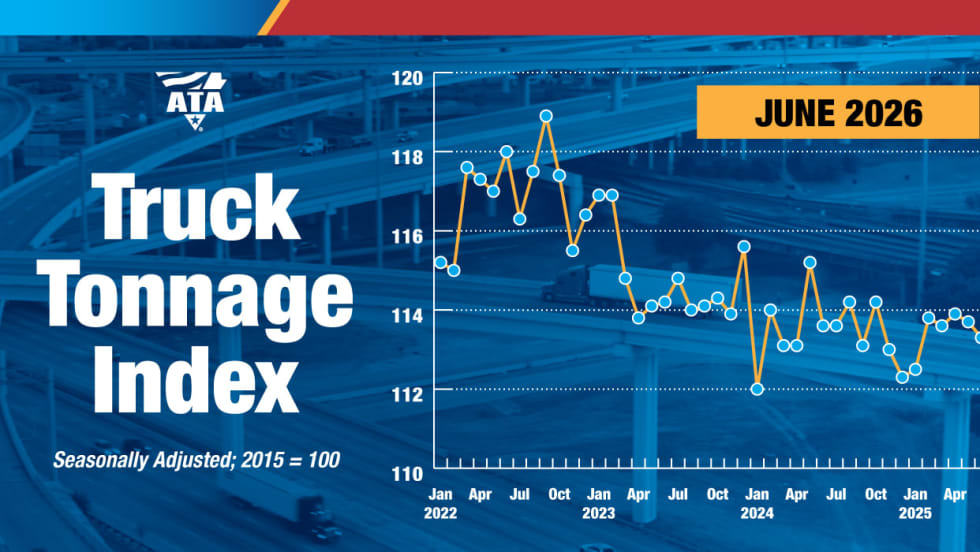
Freight Tonnage Down, Rates up, as Lower Capacity Powers Trucking Recovery
The recovery from the freight recession continues to be driven by reduction in capacity rather than by increased demand.
Read More →
Think Your Trucking Fleet Isn't Using Much AI? Think Again
Shadow AI — the use of unauthorized artificial intelligence tools at work — is becoming increasingly common, putting sensitive company data at risk. Learn how trucking fleets can protect sensitive data while embracing AI.
Read More →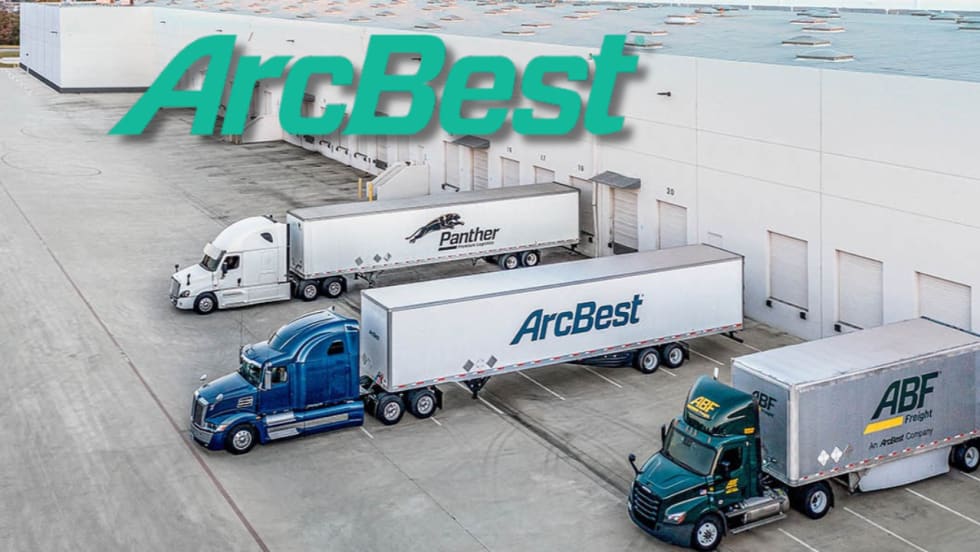
ArcBest Consolidates Brands, Cuts Workforce
The company will bring three business units under the ArcBest brand, eliminate about 2% of positions, and expects the changes to generate $40 million in annual savings.
Read More →
Trucking Fleets Faced Record Operating Costs During Third Year of Freight Recession
ATRI's annual operational cost report shows carriers trimmed fleets, delayed equipment purchases, and ran older trucks as expenses continued to outpace freight rates.
Read More →