




Ford, GM to Jointly Develop Multi-Speed Transmissions
Multi-speed transmissions were once reserved for heavy trucks, but 8-speed automatics are now available in automobiles and pickups, and soon there’ll be even more ratios.
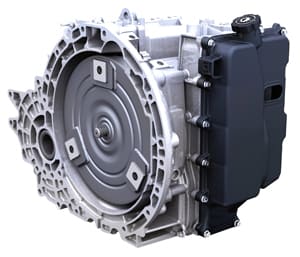
Ford and GM plan to jointly develop a new generation of advanced 9- and 10-speed automatics for cars, crossover and sport utility vehicles, and trucks.

Ford and GM plan to jointly develop a new generation of advanced 9- and 10-speed automatics for cars, crossover and sport utility vehicles, and trucks.
Multi-speed transmissions were once reserved for heavy trucks, but 8-speed automatics are now available in automobiles and pickups, and soon there’ll be even more ratios.
Ford Motor Co. and General Motors Corp. announced Monday that they’ll jointly develop a new generation of advanced 9- and 10-speed automatics for cars, crossover and sport utility vehicles, and trucks.
The new transmissions, to be built in both front- and rear-wheel-drive versions, will improve vehicle performance and increase fuel economy by keeping engines in their optimum rev ranges, the companies said.
The collaboration enables both Detroit-based automakers to design, develop, engineer, test, validate and deliver the new transmissions faster and at lower cost than if each company worked independently, they said.
Analysts say the two giant firms are reacting to pressure from Chrysler Group, which now offers an 8-speed automatic in Ram pickups and soon will put them in Jeep SUVs. That transmission is made by ZF of Germany, which also supplies gearboxes to Fiat of Italy, which now controls Chrysler.
“Engineering teams from GM and Ford have already started initial design work on these new transmissions,” said Jim Lanzon, GM vice president of global transmission engineering. “We expect these new transmissions to raise the standard of technology, performance and quality for our customers while helping drive fuel economy improvements into both companies’ future product portfolios.”
“The goal is to keep hardware identical in the Ford and GM transmissions,” said Craig Renneker, Ford’s chief engineer for transmission and driveline component and pre-program engineering. “This will maximize parts commonality and give both companies economy of scale.
“However, we will each use our own control software to ensure that each transmission is carefully matched to the individual brand-specific vehicle DNA for each company.”
This new agreement marks the third time in the past decade that GM and Ford have collaborated on transmissions. As a result, both companies together have built more than 8 million 6-speed front-wheel-drive transmissions for popular cars and CUVs around the globe.
Those collaborations served as models for the new one, the firms said. As before, each company will manufacture its own transmissions in its own plants with many common components.
“With the jointly developed 6-speed automatics we have in production today, we’ve already proven that Ford and GM transmission engineers work extremely well together,” said Joe Bakaj, Ford vice president of powertrain engineering.
“By jointly sharing the development of these two new families of transmissions, both GM and Ford will be able to more efficiently use our respective manpower resources to develop additional future advanced transmissions and bring them to market faster than if we worked alone,” said Lanzon.
Further technical details and vehicle applications for these transmissions will be released by each company at an appropriate time before launch.
More Fuel Smarts

Jennie Abarca Is Proving Electric Trucks Can Do the Job
HDT Truck Fleet Innovator Jennie Abarca is building confidence in fleet electrification one load at a time while openly sharing the challenges she encounters along the way as a small-fleet owner.
Read More →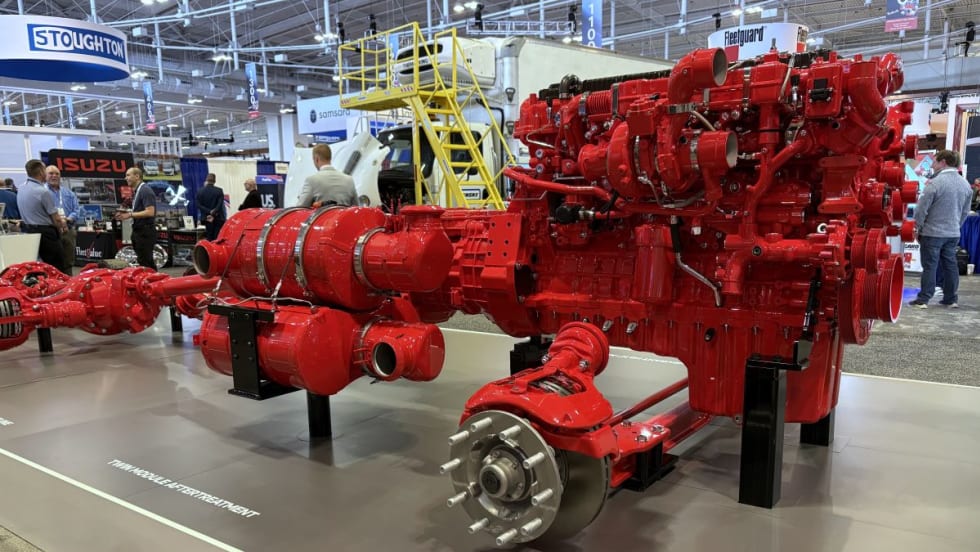
Cummins Adjusts 2027 Engine Rollout After EPA Proposal
The engine maker will gradually introduce its new Model Year 2027 diesel engines while continuing to offer current models during the transition, citing the EPA's proposed emissions rule changes.
Read More →
EPA Proposal Could Ease 2027 Truck Costs and Buying Uncertainty
The proposal doesn't change the tougher NOx standard, but it would revise key implementation requirements that manufacturers say have driven up costs and complicated fleet purchasing decisions.
Read More →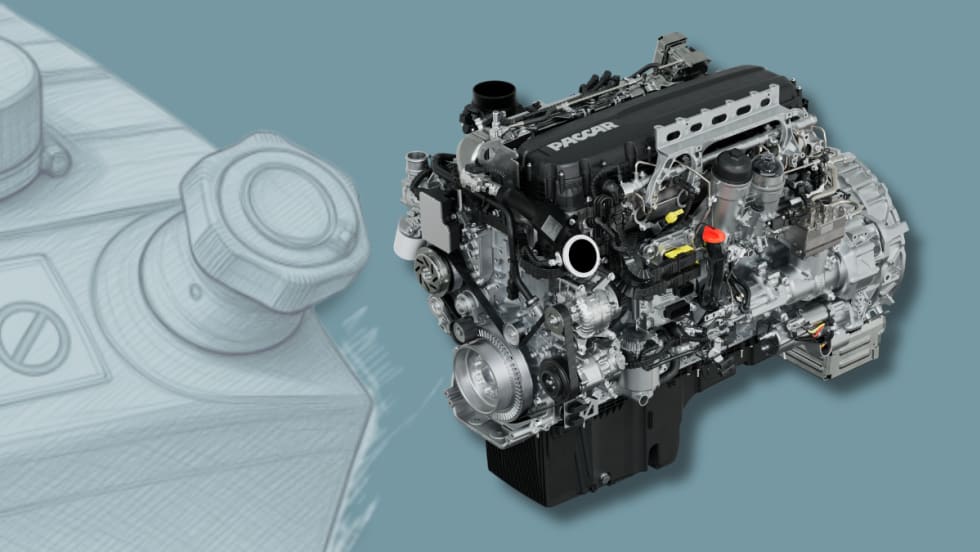
Cummins, Paccar Ease DEF Derates After EPA Guidance
Updated diesel engine software gives truck operators more time to address emissions-system issues while staying compliant with EPA emissions standards.
Read More →
Maintenance in the Messy Middle Part 3: Biodiesel
Biodiesel can reduce emissions, improve fuel-system lubricity and use existing diesel infrastructure. But NACFE’s Messy Middle maintenance report says fleets must actively manage storage, cold-weather operation, filters and oil drain intervals to avoid problems.
Read More →
Enhance Fleet Performance with High-Efficiency Auxiliary Power Units
Drive sustainable cost savings while increasing driver comfort during short- and long-haul logistics operations.
Read More →
Maintenance in the ‘Messy Middle’ Part 2: Renewable Diesel Fuel
NACFE's latest Messy Middle Powertrain Service & Maintenance report says renewable diesel gives fleets an opportunity to reduce carbon emissions without changing trucks, fueling infrastructure or maintenance practices. But technicians still need to understand several important operational differences.
Read More →
The Diesel Engine Enters NACFE’s ‘Messy Middle’
NACFE’s new Messy Middle Powertrain Service & Maintenance report says keeping modern diesel engines running now depends as much on software, diagnostics and data as traditional mechanical service.
Read More →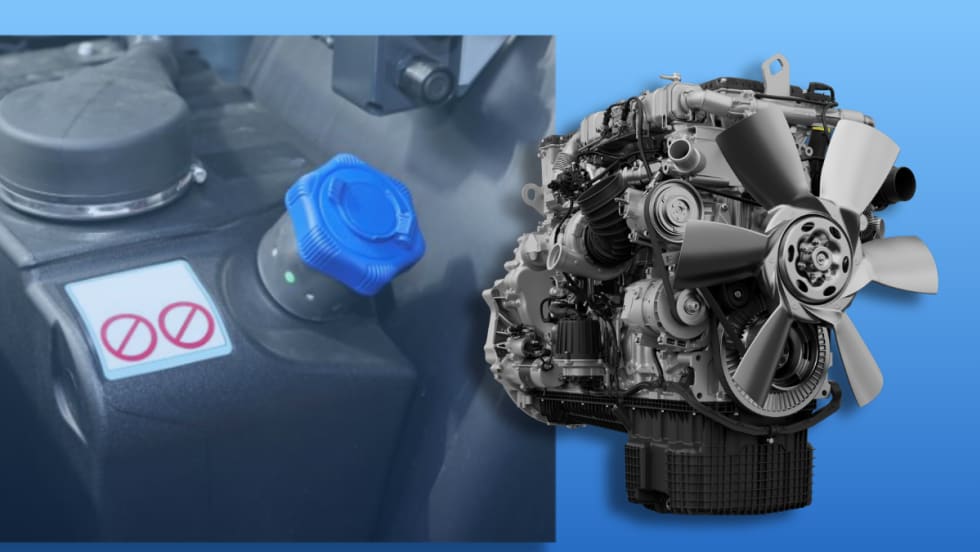
DTNA Software Update Gives Truckers More Time Before DEF Derates Take Effect
The changes reflect EPA guidance aimed at reducing downtime caused by emissions-system faults while maintaining compliance requirements.
Read More →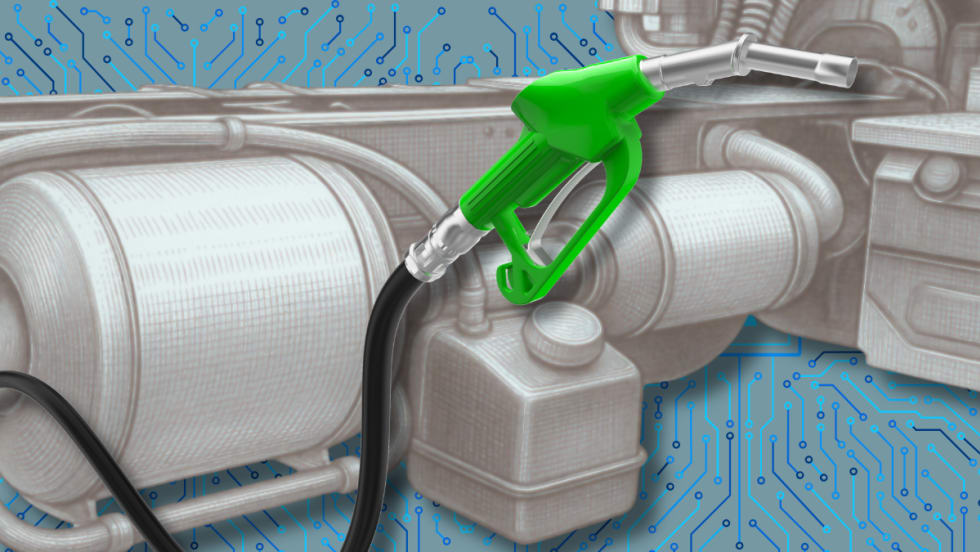
New Agentic Predictive Maintenance Report Demonstrates How Degraded Aftertreatment Systems Waste Fuel
Questar analyzed a large mixed-class fleet and discovered it was wasting as much as $30 in fuel per vehicle, per day, because of mechanically degraded aftertreatment systems.
Read More →