




FMCSA’s Darling: CSA Study in the Works
The acting administrator of the Federal Motor Carrier Safety Administration told a Senate panel that the mandated study of the effectiveness of the agency’s Carrier Safety Accountability scoring program is slated to begin next month.

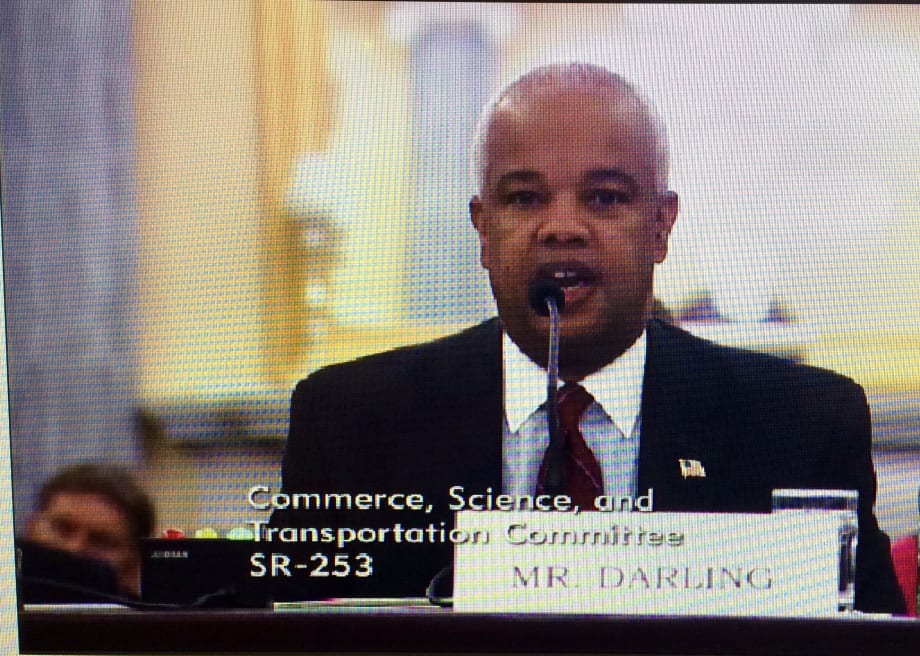
FMCSA's Scott Darling testifying before Senate panel on January 20.
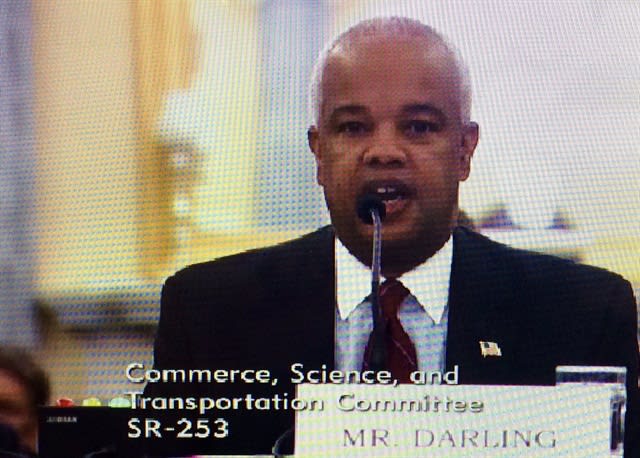
FMCSA's Scott Darling testifying before Senate panel on January 20.
The acting administrator of the Federal Motor Carrier Safety Administration told a Senate panel that the mandated study of the effectiveness of the agency’s Carrier Safety Accountability scoring program is slated to begin next month.
“We are in discussions with the National Academies now. We’ve talked to them about the scope, and we’re now in the process of procuring their services,” FMCSA Chief Counsel T.F. Scott Darling, III said in reply to the first question he was asked after giving testimony to the Senate Committee on Commerce, Science and Transportation on his nomination to the post of FMCSA Administrator. The Jan. 20th hearing lasted less than an hour.
The FAST Act highway bill, signed into law last month, mandated reforms of the CSA program, including removing its carrier scores from public view until the required actions are completed.
Darling noted that FMSCA had taken down the required data from its website “within minutes” of the act’s passage. “We are now working to put in place dozens of FAST Act provisions to establish new programs and procedures, create working groups, and conduct research.”
He also told the panel that FMCSA has completed its study of the impact of the 34-hour restart provisions within the Hours of Service rule. That study was required by an earlier act of Congress. “The [restart] study is currently under review by the Secretary of Transportation,” he said. “I believe it is one of the best and largest naturalistic studies of its kind.”
Darling noted that once the Office of the Secretary has reviewed the study, it will go to the DOT Attorney General “who has 60 days to review it and then a determination [will be made] to send it [to Congress].”
Left unanswered by Darling’s testimony and his questioning by Senators on the panel is what may happen once the restart study finally lands on Capitol Hill.
Just over a year ago, Congress suspended the restart requirements and compelled the Department of Transportation to conduct a study of whether or not the more restrictive provisions provided “a greater net benefit for the operational, safety, health and fatigue impacts.”
The requirements were to be suspended until DOT submitted its final report to the House and Senate appropriations committees.
But the legislation that forced the restart rollback is silent on what will happen when the study is done. Presumably, if it shows that one restart version provides a greater net benefit than the other, then FMCSA will adopt that provision as part of the HOS rule.
“We won’t suddenly be back under the restart rule once Congress receives the mandated study,” David Heller, director of safety and policy for the Truckload Carriers Association told HDT in December. “Congress will want to review it and determine whether the study shows if the 34-hour restart helped or hurt the industry. They could even send it back to DOT for further refinement.”
During the hearing, Sen. Deb Fischer (R-NB) quizzed Darling on aspects of the recently proposed Safety Fitness Determination rule, especially whether certain “flawed data” generated by the CSA program will factor into the new rule.
“The SFD rule doesn't include the two data points, which are alerts and the relative percentages, percentages [which FMCSA is prohibited by the FAST Act from applying when scoring carriers],” Darling replied. He added that the new rule would require carriers to meet a “fixed-measure formula” so that “carriers will be measured against their own operations” only.
Fischer also asked Darling about the agency’s rulemaking pace.
“FMCSA seems to be moving quickly to issue rules, on electronic logging devices and safety fitness,” she began. “Why is the agency moving on these when we [the Congress] have given you so much to do with the [mandates of the] bipartisan FAST Act?”
He replied that “those two rules have been in the works for 10 years. We had OMB [White House Office of Management and Budget] approval to move forward [with both rules] and the ELD rule was a mandate.”
Darling, whio has headed up the agency in an acting capacity for the past 16 months, was formally nominated for FMCSA’s top post by President Obama in August.
The Senate has yet to schedule a vote on his nomination.
Related: Washington Wrap-Up 2015
More Fleet Management
Why This Trucking Recovery Is Different
Freight demand remains sluggish, but rising costs and tougher enforcement have taken enough capacity out of the market to change the outlook for motor carriers.
Read More →
Platform Science Adds Dispatch and Safety Tools
Four additions to PS Fleet help fleets monitor loads, manage driver coaching, share truck locations and adjust video system settings.
Read More →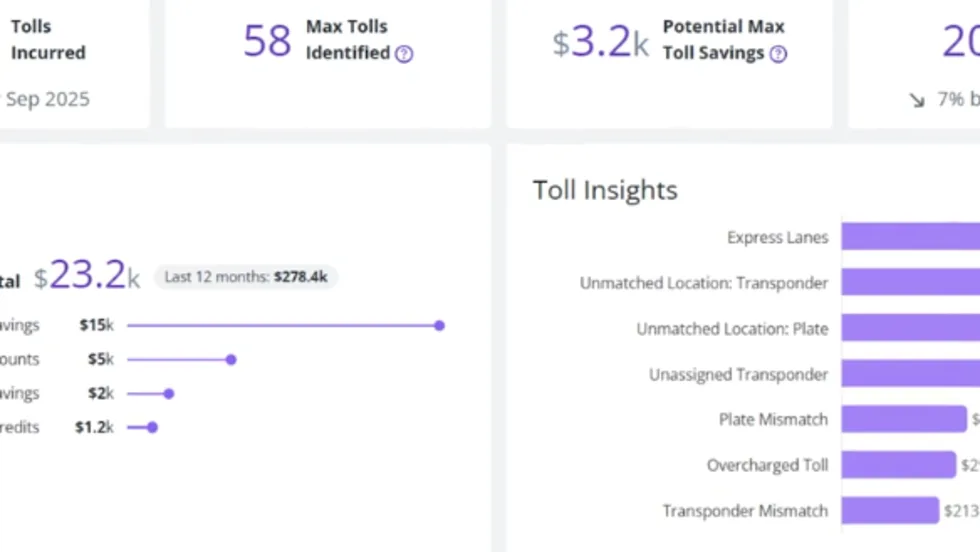
PrePass Intelligence Mines Fleet Bypass, Toll and Safety Data
PrePass Intelligence helps fleets measure bypass savings, flag potential toll overcharges, and spot suspicious transactions by combining data from separate systems.
Read More →
Motive Adds AI Agents for Fleet Operations
New tools automate follow-up on fleet data, from maintenance work orders to driver alerts, with two-way voice conversations planned for later this year.
Read More →
Can You Beat Our Trucking Trivia Challenge?
Test your truck knowledge with 19 trivia questions from Heavy Duty Trucking Exchange. Can you keep up with the fleet pros?
Read More →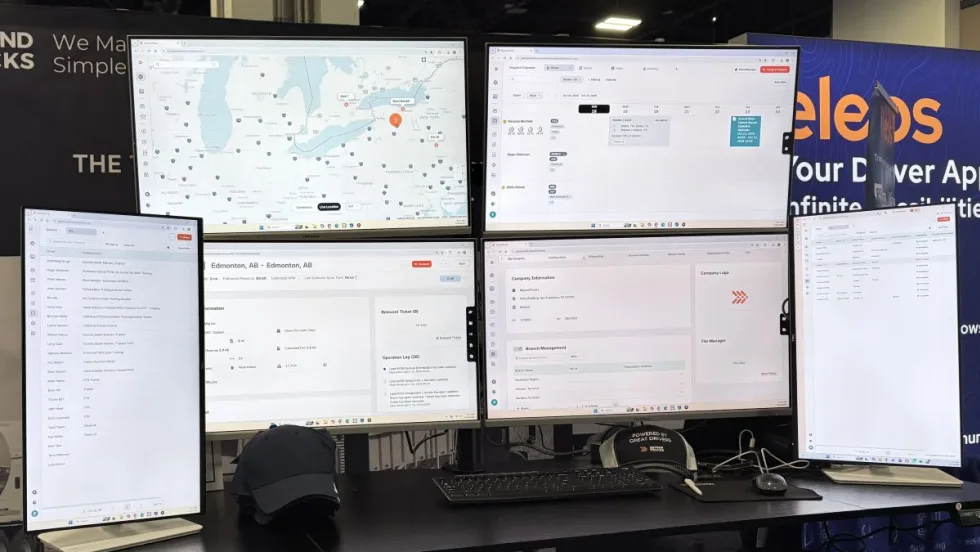
BeyondTrucks Adds Rules Checks to Dispatch
New Compatibility Engine checks driver qualifications, equipment requirements and fleet policies before loads are dispatched.
Read More →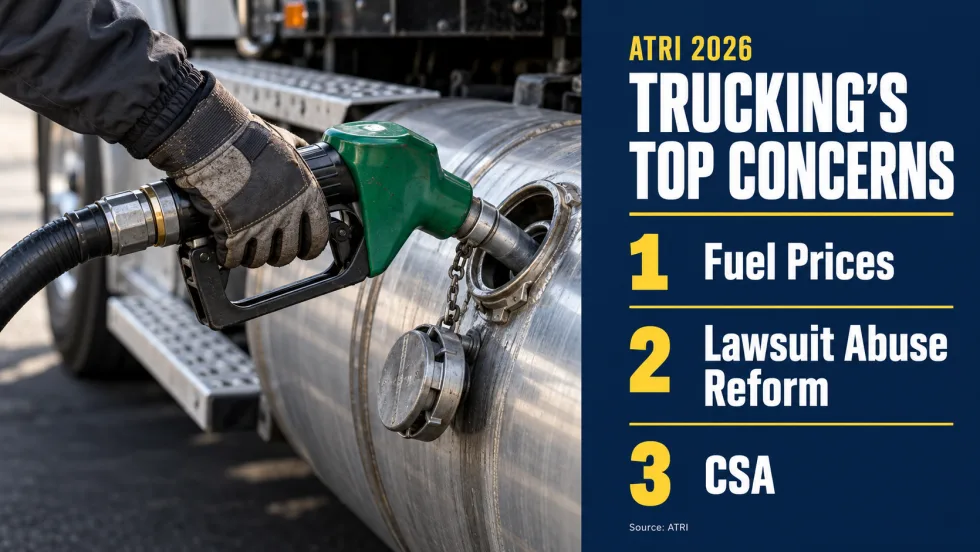
Diesel Prices Hijack Trucking’s Worry List
ATRI’s annual survey finds cautious optimism about freight, but diesel costs, litigation, and insurance continue to squeeze fleets. Drivers have different priorities on several issues.
Read More →
Nomination Deadline Extended for HDT Emerging Leaders
Just a few more days to nominate accomplished trucking fleet professionals under 40 who are making an impact and helping lead the industry forward for the HDT Emerging Leaders award. Deadline extended to October 20!
Read More →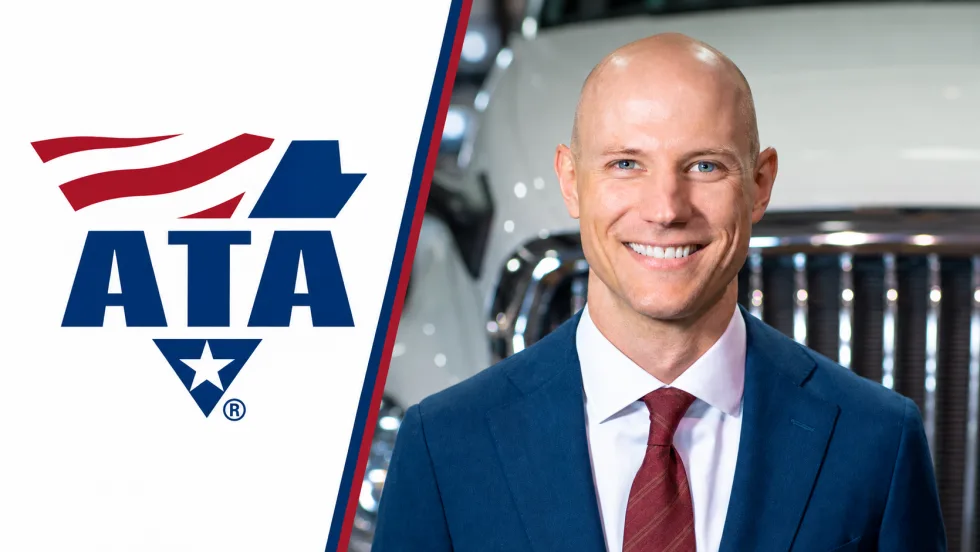
What Will ATA’s New Leader Bring to Trucking's Table?
Incoming President and CEO Mark Colson’s record in Alabama offers clues about his priorities and approach following Chris Spear’s abrupt departure as the head of the American Trucking Associations.
Read More →
Volvo, Waabi Start Commercial Autonomous Operations in Texas
Volvo VNL Autonomous trucks, powered by the Waabi Driver, are hauling freight directly to third-party facilities for a customer in Texas.
Read More →