




FMCSA’s Darling to Have Confirmation Hearing on Jan. 20
T.F. Scott Darling III has been called by the Senate Committee on Commerce, Science and Transportation to provide testimony on his nomination as FMCSA Administrator on Wednesday, January 20.

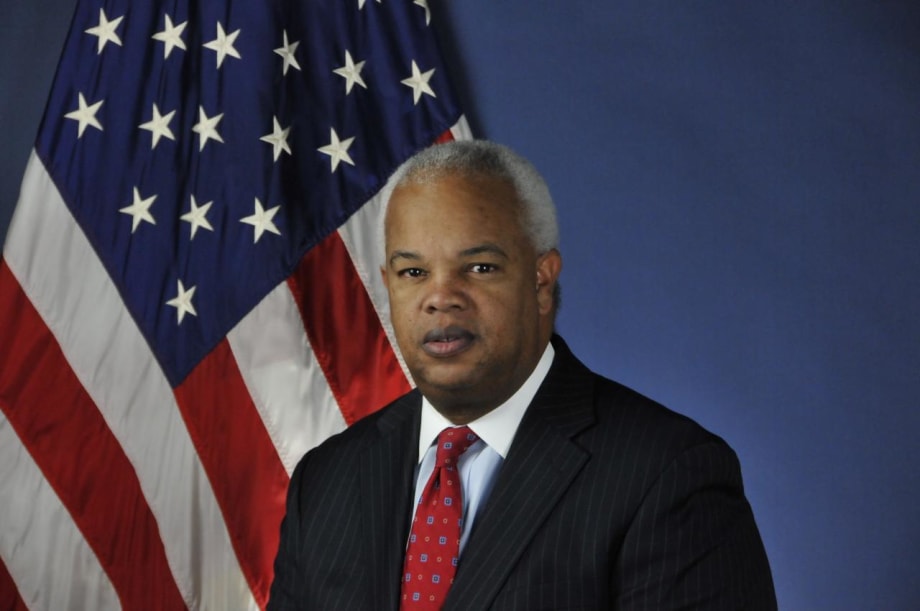
T.F. Scott Darling III Photo: Dept. of Transportation
T.F. Scott Darling III Photo: Dept. of Transportation
Administrator of the Federal Motor Carrier Safety Administration in all but name for 16 months, T.F. Scott Darling III has finally been accorded a confirmation hearing for the post of FMSCA Administrator, which he was nominated to by President Obama back in August.
Darling has been called by the Senate Committee on Commerce, Science and Transportation to provide testimony on his nomination on Wednesday, January 20 at 10:00 a.m.
Currently holding the title of FMCSA Chief Counsel, Darling had been referred to as the agency’s acting administrator from the time former Administrator Anne Ferro departed the post in August, 2014, until late last March. At that time, the Department of Transportation announced that Darling’s acting title was “ending,” but added that Secretary of Transportation Anthony Foxx had delegated him, as chief counsel, with “responsibility for performing the duties of the FMCSA administrator.”
In a written reply to the Senate committee’s nomination questionnaire, Darling stated that he considers the first of FMCSA’s top three initiatives to be “increasing truck and bus safety, period.”
Next, he cited improving FMCSA’s Compliance, Safety, and Accountability. “CSA is the cornerstone of FMCSA’s oversight program to improve truck and bus safety, and helps target limited resources towards identifying and stopping the highest risk carriers operating on our Nation’s roads.”
Darling wrote that the third key initiative is to improve the accuracy and collection of data critical to informing rulemakings, programs, and enforcement actions. “Agency actions must connect to what’s happening in the motor carrier industry and on roads and highways. Our actions must be based on data and accepted analytical practices. Robust data collection enables greater attention to high risk carriers and helps to reduce large truck and bus crashes, injuries, and fatalities.”
Darling was appointed the agency’s chief counsel in September 2012 by President Obama.
Prior to joining FMCSA, he held the posts of deputy chief of staff and assistant general counsel at the Massachusetts Bay Transportation Authority, the public transit agency serving the greater Boston area. Darling also served previously as the MBTA's environmental and land use counsel as well as its privacy administrator.
More Fleet Management
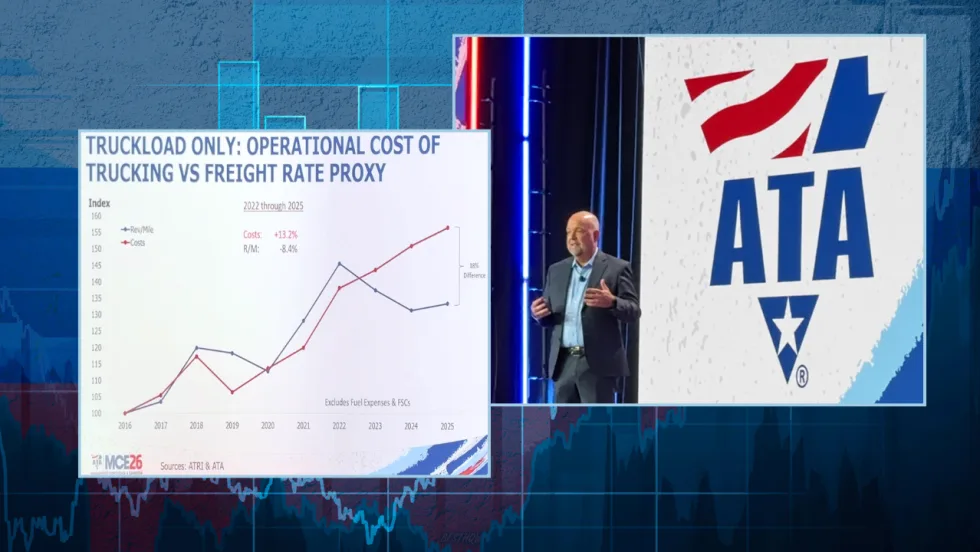
Why This Trucking Recovery Is Different
Freight demand remains sluggish, but rising costs and tougher enforcement have taken enough capacity out of the market to change the outlook for motor carriers.
Read More →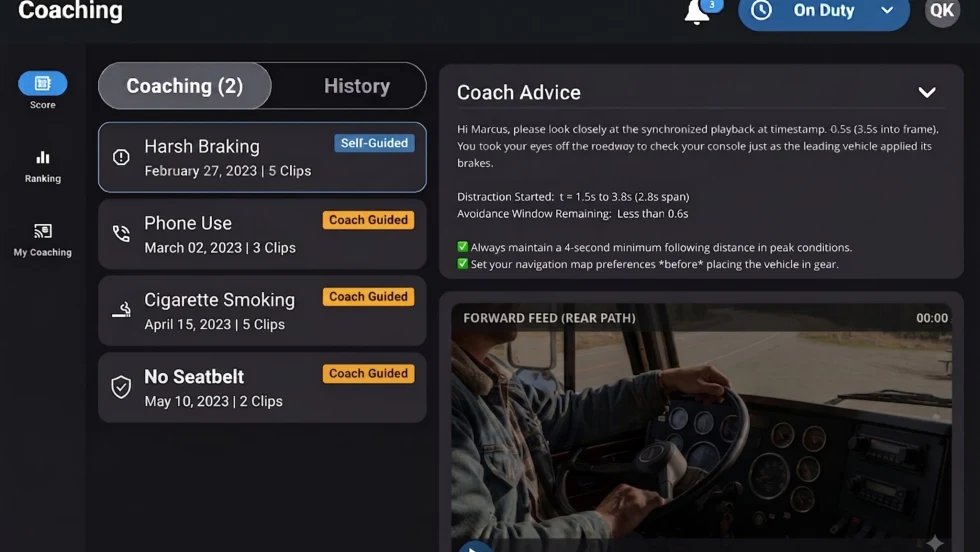
Platform Science Adds Dispatch and Safety Tools
Four additions to PS Fleet help fleets monitor loads, manage driver coaching, share truck locations and adjust video system settings.
Read More →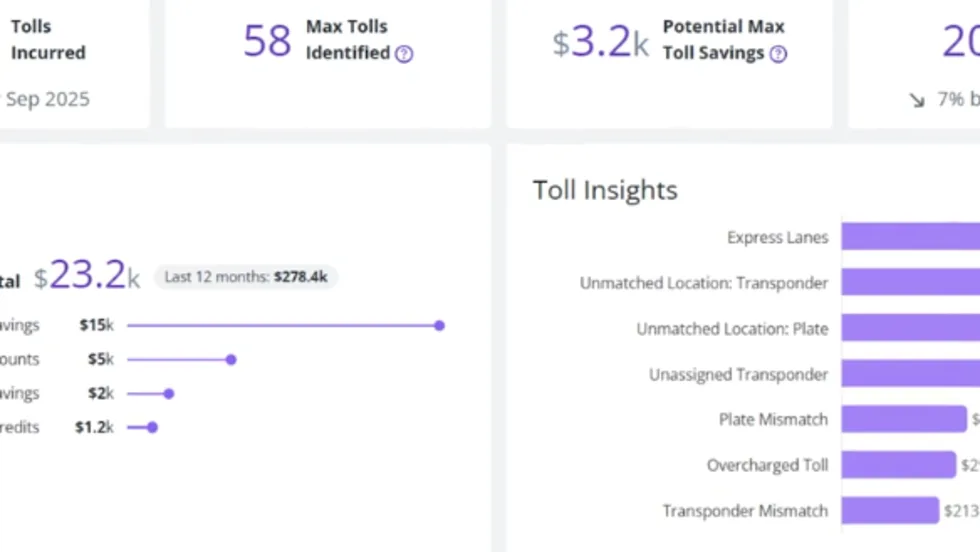
PrePass Intelligence Mines Fleet Bypass, Toll and Safety Data
PrePass Intelligence helps fleets measure bypass savings, flag potential toll overcharges, and spot suspicious transactions by combining data from separate systems.
Read More →
Motive Adds AI Agents for Fleet Operations
New tools automate follow-up on fleet data, from maintenance work orders to driver alerts, with two-way voice conversations planned for later this year.
Read More →
Can You Beat Our Trucking Trivia Challenge?
Test your truck knowledge with 19 trivia questions from Heavy Duty Trucking Exchange. Can you keep up with the fleet pros?
Read More →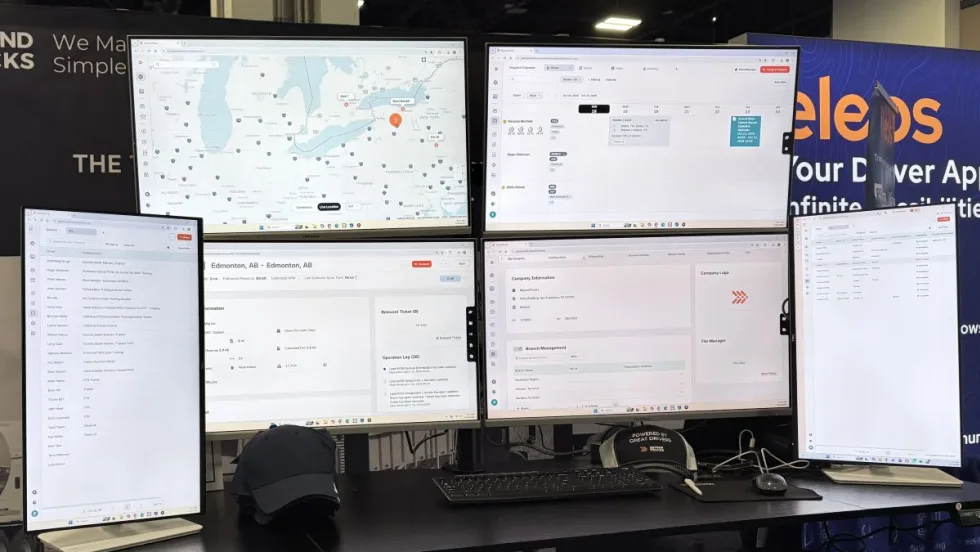
BeyondTrucks Adds Rules Checks to Dispatch
New Compatibility Engine checks driver qualifications, equipment requirements and fleet policies before loads are dispatched.
Read More →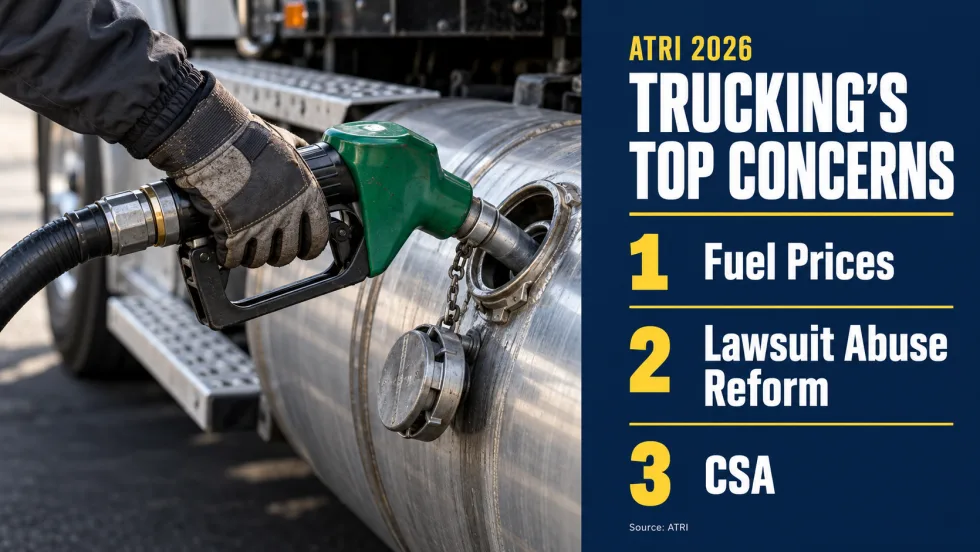
Diesel Prices Hijack Trucking’s Worry List
ATRI’s annual survey finds cautious optimism about freight, but diesel costs, litigation, and insurance continue to squeeze fleets. Drivers have different priorities on several issues.
Read More →
Nomination Deadline Extended for HDT Emerging Leaders
Just a few more days to nominate accomplished trucking fleet professionals under 40 who are making an impact and helping lead the industry forward for the HDT Emerging Leaders award. Deadline extended to October 20!
Read More →
What Will ATA’s New Leader Bring to Trucking's Table?
Incoming President and CEO Mark Colson’s record in Alabama offers clues about his priorities and approach following Chris Spear’s abrupt departure as the head of the American Trucking Associations.
Read More →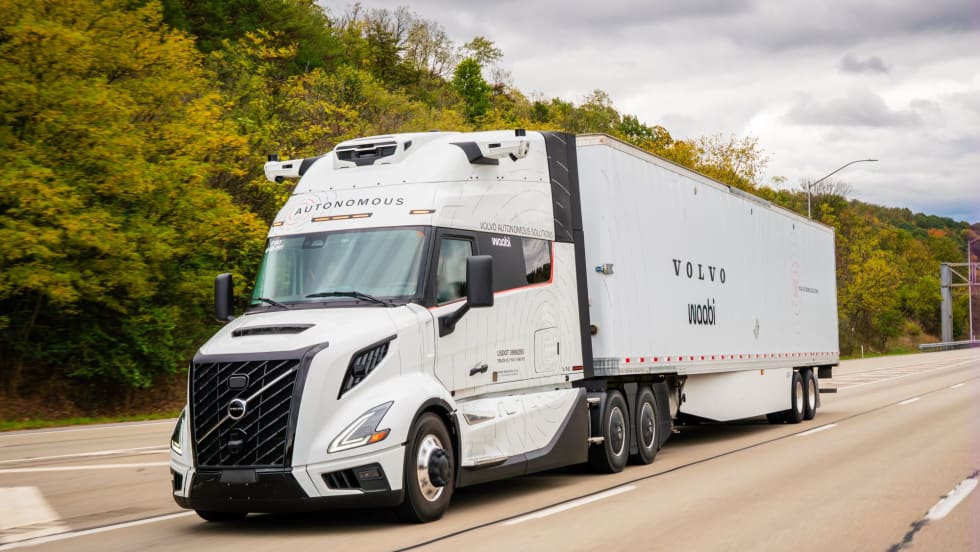
Volvo, Waabi Start Commercial Autonomous Operations in Texas
Volvo VNL Autonomous trucks, powered by the Waabi Driver, are hauling freight directly to third-party facilities for a customer in Texas.
Read More →