




FMCSA, Small Carrier Groups Settle CSA Suit
The Federal Motor Carrier Safety Administration has settled a suit by three trucking associations over information published in the CSA program. The agency said in the Wednesday announcement that it will change the way it displays CSA safety scores, in response to the carrier groups' contention that the original plan was flawed and should have gone through a public-comment procedure
The Federal Motor Carrier Safety Administration has settled a suit by three trucking associations over information published in the CSA program.
The agency said in the Wednesday announcement that it will change the way it displays CSA safety scores, in response to the carrier groups' contention that the original plan was flawed and should have gone through a public-comment procedure.
"CSA is a safety-critical program that helps to reduce commercial motor vehicle-related crashes and save lives," said FMCSA Administrator Anne Ferro in a statement. "Through this settlement agreement, we addressed the concerns raised by petitioners without compromising the CSA program and its safety benefits."
The key change, which will be in place by March 25, replaces the "ALERT" symbol now displayed in orange on the website with a symbol that shows an exclamation mark inside a yellow triangle. Also, the disclaimer language will be revised to explain that the exclamation-mark symbol indicates that while the agency may consider further monitoring of the carrier, it does not imply a safety rating.
"Readers should not draw conclusions about a carrier's overall safety condition simply based on the data displayed in this system," the new language will say. "Unless a motor carrier … has received an UNSATISFACTORY safety rating … or has otherwise been ordered to discontinue operations by the FMCSA, it is authorized to operate on the nation's roadways."
The agency then refers readers to where they can get a carrier's safety rating (http://safer.fmcsa.dot.gov), and its license and insurance status (http://li-public.fmcsa.dot.gov).
The suit was brought by the National Association of Small Trucking Companies, the Expedite Alliance of North America and the Air & Expedited Motor Carriers Association, which say they represent about 2,750 small carriers.
The groups had asked for a stay to block the release of the information last December, but that tactic failed when the U.S. Court of Appeals for the District of Columbia Circuit said they did not meet the standards for a stay pending court review. They continued with their suit, however, and came away with this result.
The carrier groups are pleased with the settlement.
"We applaud the agency for affirmatively restating its sole duty to credential carriers as safe for operation over the nation's roadways," they said in a joint statement. "We believe these changes will disabuse shippers and brokers of the misconception that SMS methodology, percentile rankings of carriers, and monitoring thresholds are intended for their use in determining carrier fitness. This important settlement confirms for a confused industry that it is still the job of the FMCSA to certify carriers."
It also is important that the agency is directing readers to the licensing and insurance data bases, the groups said. This will reaffirm that unless a carrier is rated as unsatisfactory or out of service, the safety agency has determined it is fit to do business.
Henry Seaton, an attorney for the groups, said that with this settlement the agency "has affirmed its statutory duty to credential carriers as safe to operate."
More Drivers
Platform Science Adds Dispatch and Safety Tools
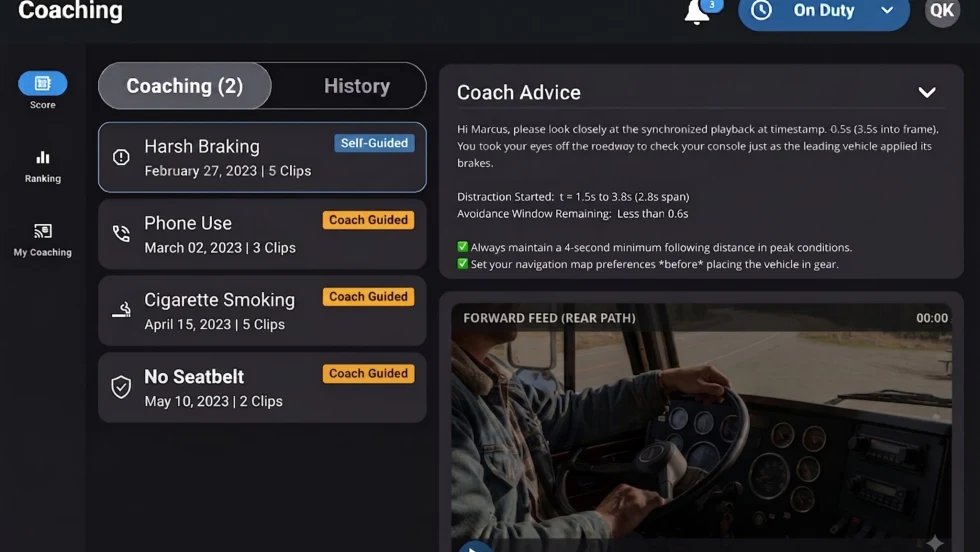
Four additions to PS Fleet help fleets monitor loads, manage driver coaching, share truck locations and adjust video system settings.
Read More →
When Language Stops the Truck: The Return of ELP Out-of-Service Orders
English language proficiency rules for commercial drivers aren’t new, but renewed out-of-service enforcement has raised the stakes. Here’s what carriers need to know before a driver reaches a roadside inspection.
Read More →
Samsara Launches Custom AI Agent Builder
Agent Studio lets fleets create AI tools for hours-of-service monitoring, reporting and driver support, including agents that communicate by phone.
Read More →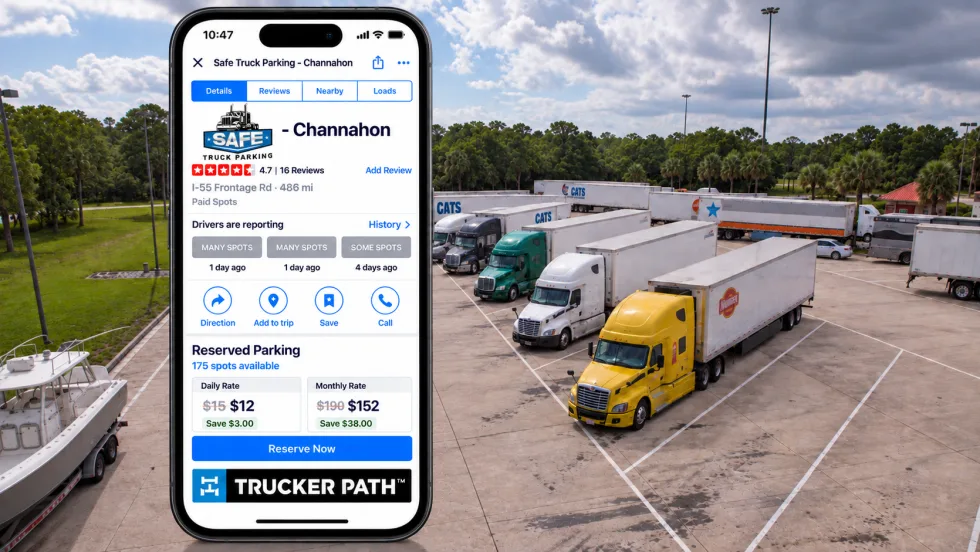
Trucker Path Expands Reserved Parking Network
Trucker Path has added close to 6,000 more truck parking spaces to its Trucker Path Reserved Parking Network with the addition of Safe Truck Parking.
Read More →
EEOC Sues Texas Trucking Company Over Driver Age Limits
The agency says Trancasa USA rejected applicants over 65 and applied tougher driving-record standards to those over 60.
Read More →
Nussbaum, Roehl Announce Second Driver Pay Increase This Year
This year has seen a swath of major truck driver pay increases as freight capacity has tightened.
Read More →
From One Generation to the Next: How Mentorship Builds Safer Truck Drivers
After three decades in trucking, Harold Perry shares what he's learned about driver safety, mentorship, and helping the next generation build confidence behind the wheel.
Read More →
Truck Drivers Need More Than Another Alert
Fleets have more visibility into truck health, safety events, and driver activity than ever. The next challenge is turning all that information into useful guidance for the person who has to decide what to do next.
Read More →
FMCSA Removes 110 Truck Driver Training Schools from Certified ELDT List
Federal regulators also are targeting more than 160 additional training providers and launching a nationwide audit of third-party CDL skills testers as part of a broader crackdown on trucking fraud.
Read More →
Hours of Service Pilot Programs: FMCSA Readies for 2027 Rollout
Two pilot programs could eventually reshape hours-of-service rules, giving truck drivers options to pause their 14-hour clock or use longer split sleeper rest periods.
Read More →