




FMCSA Sets Standards For Way to Test Brakes
The Federal Motor Carrier Safety Administration has issued a final rule establishing pass/fail criteria that will allow government and fleet inspectors to use performance-based brake testers (PBBTs) to measure braking performance of commercial vehicles
The Federal Motor Carrier Safety Administration has issued a final rule establishing pass/fail criteria that will allow government and fleet inspectors to use performance-based brake testers (PBBTs) to measure braking performance of commercial vehicles.
PBBTs are expected to save time, and their use could increase the number of vehicles that can be inspected in a given time.
"We need to take advantage of new technology to help reduce the number of fatalities related to truck and bus crashes," said Transportation Secretary Norman Mineta. "This new safety technology can help prevent crashes by ensuring that trucks and buses have sufficient braking capacity."
A PBBT assesses vehicle-braking capability by measuring brake forces at each wheel or by measuring overall vehicle brake performance in a controlled test. This final rule means that certified roller dynamometers, breakaway torque testers, and flat-plate testers, all of which measure brake force,can be used to measure brake compliance and help determine whether a truck or bus's brakes comply with Federal Motor Carrier Safety Regulations.
Only PBBTs that meet specifications developed by the FMCSA can be used to determine compliance with the FMCSR. The new rule does not replace existing brake performance requirements, but provides an alternative testing method to the little-used 20-mph stopping-distance test that requires a testing site with adequate space requirements.
Under the FMCSA specifications, a PBBT manufacturer self-certifies that its device meets specifications and also states which specifications, if any, it does not meet. A PBBT that is certified to meet FMCSA specifications is eligible for federal funding under the Motor Carrier Safety Assistance Program (MCSAP).
The new rule applies to all commercial motor vehicles and combinations weighing over 10,000 pounds, and is effective on Feb. 5, 2003. The six-month period is intended to allow time to establish standard test procedures, operator training, and brake repair guidelines. Details can be found at http://dms.dot.gov. The docket number is FHWA-1999-6266.
More Drivers
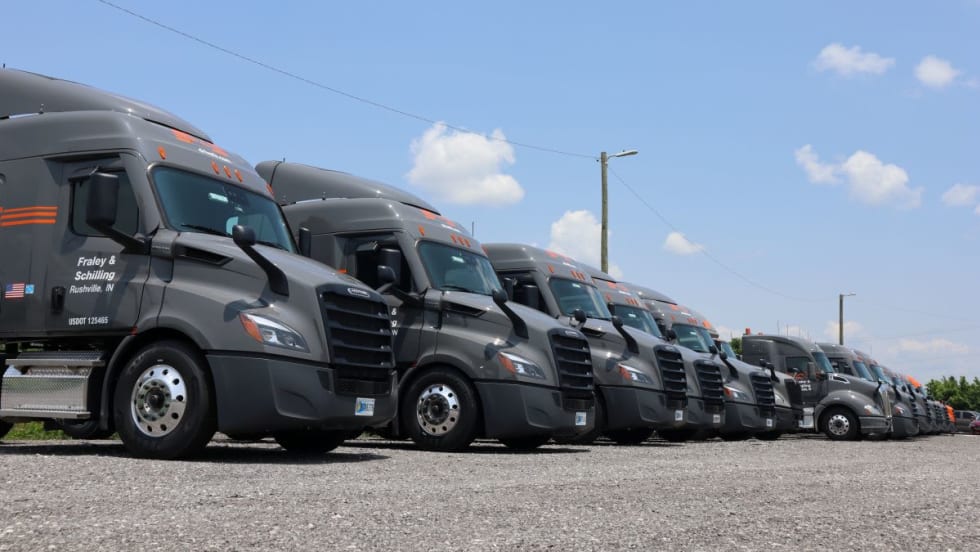
How Fraley & Schilling Improved Logbook Compliance by Over 50%
Fraley & Schilling needed a way to close a compliance workflow gap in its ELD system without adding more work from driver training, reminders, and back-office follow-ups. It found the answer in a custom driver app.
Read More →
Volvo Goes Gaming
Volvo has roared into American Truck Simulator with two new flagship trucks.
Read More →
What the Best Fleets to Drive For Teach About Driver Retention
Survey fatigue, AI-powered routing, owner-operator expectations, and the decline of social media all emerged as themes from this year's Best Fleets to Drive For program.
Read More →
Driver Retention Lessons From the Best Fleets to Drive For
What separates trucking's best workplaces from the rest? Jane Jazrawy shares the biggest lessons from this year's Best Fleets to Drive For program on driver retention, communication, AI, and workforce trends on the HDT Talks Trucking podcast.
Read More →
Farewell, CDL: Why I'm Giving Up My Commercial Driver's License
After more than 20 years as a CDL holder, HDT Executive Editor Jack Roberts is letting his commercial license expire. Not because he wants to — but because trucking's nuclear verdict crisis has made the risks of public-road test drives too great for editors, manufacturers, and everyone involved.
Read More →
How Top Trucking Fleets Improve Driver Retention [Video]
What do healthy snacks, optimized routing, and just picking up the phone have in common? They're all strategies the Best Fleets to Drive For are using to retain truck drivers.
Read More →
Trucker Path Adds Verisk CargoNet Theft Data to Navigation Platform
Trucker Path’s new cargo theft risk overlays give drivers and fleets visibility into high-risk areas, stolen commodity trends, and theft hotspots.
Read More →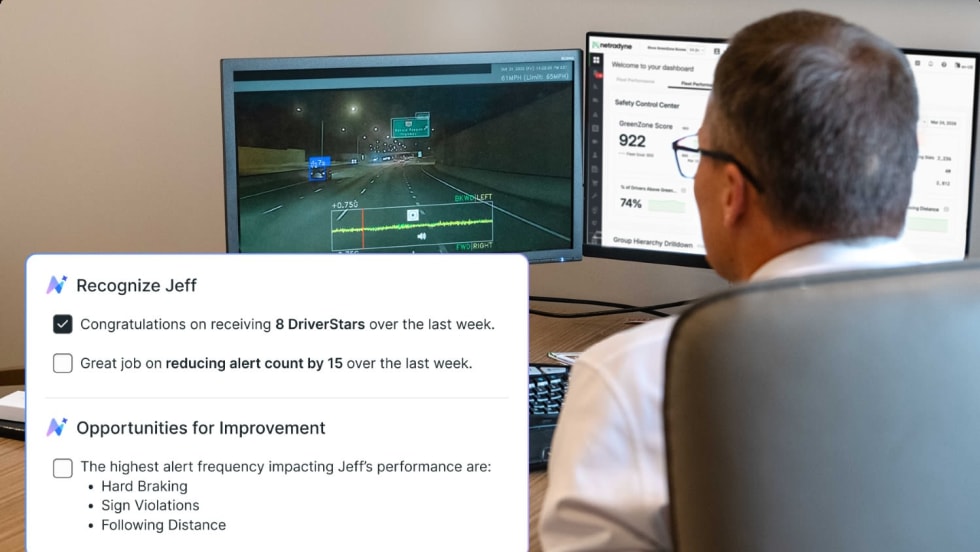
Netradyne Intelligence Uses New AI Agents to Automate Response to In-Cab Camera Data
The company called the next-generation in-cab camera safety platform "a fundamental shift from systems that report on what happened to systems that actively drive what should happen next."
Read More →
Why Truck Detention Keeps Costing Fleets Time and Money
A 2024 ATRI study found detention affects nearly 40% of truckload stops and costs the industry more than $15 billion annually. Despite the toll on drivers, fleets, and supply chains, the problem remains stubbornly persistent.
Read More →
Prime Inc. to Open $7.9M Flagship Used-Truck Dealership
A new driver-focused facility to sell Prime Inc's used trucks and trailers will be the first purpose-built location in the company's history.
Read More →