




FMCSA: Safety-Fitness Proposal Gives Carriers Fixed Target
“Carriers will always know what their [safety fitness] target is,” Joe DeLorenzo, Director of Enforcement and Compliance, told reporters during an April 7 briefing on the Federal Motor Carrier Safety Administration’s proposed rulemaking on Safety Fitness Determination.

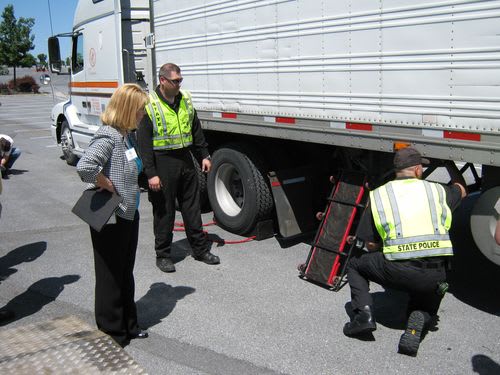
Photo: U.S. DOT

Photo: U.S. DOT
“Carriers will always know what their [safety fitness] target is,” Joe DeLorenzo, Director of Enforcement and Compliance, told reporters during an April 7 briefing on the Federal Motor Carrier Safety Administration’s proposed rulemaking on Safety Fitness Determination.
When it proposed the SFD rule in January, FMCSA said it “will enhance the agency’s ability to identify non-compliant motor carriers.”
The Notice of Proposed Rulemaking seeks to revise the agency’s safety fitness rating methodology by “integrating on-road safety data from inspections, along with the results of carrier investigations and crash reports, to determine a motor carrier’s overall safety fitness on a monthly basis.”
In today’s conference call, DeLorenzo stressed that the NPRM presents how the agency would determine that a carrier is not fit to operate “without utilizing relative percentiles as a safety measurement.”
He said a “fixed measure” would be established and published in the rule and there would be “no issue with using relative percentiles.” Put another way, individual carrier ratings would not be affected by how other carriers are rated.
“It’s a proposal for a new standard to determining when a carrier is fit to operate,” said DeLorenzo.
He said the rulemaking spells out the standard, including “a calculation called the absolute measure, [which a carrier would be “under or over.” [The proposal] makes it clear which carrier can operate. [The agency will] simply have a determination of those unfit to operate” instead of the current three-tier federal rating system of “satisfactory–conditional–unsatisfactory,” which has been in place since 1982.
DeLorenzo said a key benefit of the proposal is that safety ratings would no longer be “dependent on the agency conducting labor-intensive investigations. [Because of that] we only get to a small number of companies and the ratings are not current.
“This will give us a way to incorporate roadside safety [inspection] information that is current and make safety assessments of more carriers.” He said that the agency along with its state partners now assesses 15,000 carriers, but the new SFD rule would enable it to assess 75,000 a month.
The proposal also aims to provide “several different options” that carriers assigned an “unfit” rating could pursue, said DeLorenzo. “They could appeal the decision, ask for the opportunity to correct data or to indicate that corrective action has been taken.”
DeLorenzo also addressed criticism that aspects of the SFD proposal run counter to the prohibition in the FAST ACT highway bill of displaying relative percentiles used to score property carrier’s compliance and safety performance.
“There is a fixed measure of fitness” in the proposed SFD rule, he said. “A carrier’s measure is calculated based on their own data. It’s fixed. We think that will also make it a clear standard of safety fitness.”
DeLorenzo noted that the agency called the briefing in part to encourage public comments. “This is the proposal stage,” he said. “This is the time we want to get feedback to help us come back with the best [rule] possible.”
In March, the agency extended the deadline for the submission of initial comments to May 23, 2016. Reply comments will be due on or before June 23, 2016. Per FMCSA, stakeholder requests led to the comment extension.
Both initial and reply comments should be identified by Docket Number FMCSA-2015-0001 and submitted to the agency via any of these methods:
Federal eRulemaking Portal by going to www.regulations.gov and following the online instructions for submitting comments
Fax to 1-202-493-2251
Mail to Docket Services, U.S. Department of Transportation, Room W12-140, 1200 New Jersey Avenue SE., Washington, DC 20590-0001
DeLorenzo also advised that the agency has developed an online calculator that carriers can use to determine how the proposed rule would impact them. The calculator requires inputting information on a company’s on-road safety performance and most recent investigation results.
Related: FMSCA Extends Safety-Fitness Rulemaking Comment Period
More Fleet Management

Public Wi-Fi Cybersecurity Risks: How Truck Drivers and Fleets Can Protect Their Data
Public Wi-Fi can expose truck drivers and fleets to credential theft, malware, and other cyber threats. Here’s how to reduce the risk on the road.
Read More →
For Nicky Cupp, Fleet Innovation Starts With Frustration
HDT Truck Fleet Innovator Nicky Cupp turns everyday pain points at Fraley & Schilling into opportunities for better technology and smarter processes.
Read More →
Adam Buttgenbach’s Approach to Electric Trucks: Start With Where They Fit
HDT Truck Fleet Innovator Adam Buttgenbach helped PepsiCo build one of North America’s largest EV fleets by focusing on where electric trucks make operational sense.
Read More →
Deen Albert: Let Automation Do the Math, People Make the Decisions
HDT Truck Fleet Innovator Deen Albert makes sure people are still at the heart of operations at Grand Island Express, even while adopting artificial intelligence tools. AI-assisted dispatch helped boost revenue 25% with the same number of trucks.
Read More →
Trimble’s New AI Agent Takes Aim at Fleet Back-Office Busywork
Arc Agent works across Trimble TMS products to automate repetitive tasks such as freight orders, maintenance, invoices, fuel costs and more.
Read More →
How HDT’s 2026 Truck Fleet Innovators Are Rethinking Fleet Operations
Meet five trucking leaders who are challenging assumptions, solving operational problems, and putting innovative ideas to work.
Read More →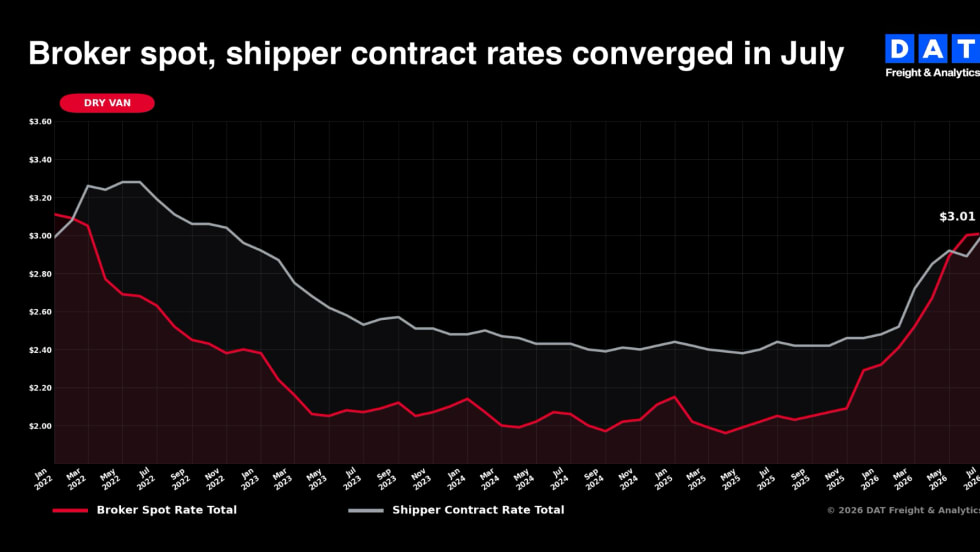
Tight Trucking Capacity Pushes Rates Higher Even as Freight Volumes Fall
“Spot rates moving ahead of contract rates have historically signaled a tightening market, but we haven’t seen a capacity-driven market quite like this one,” said DAT's Dean Croke.
Read More →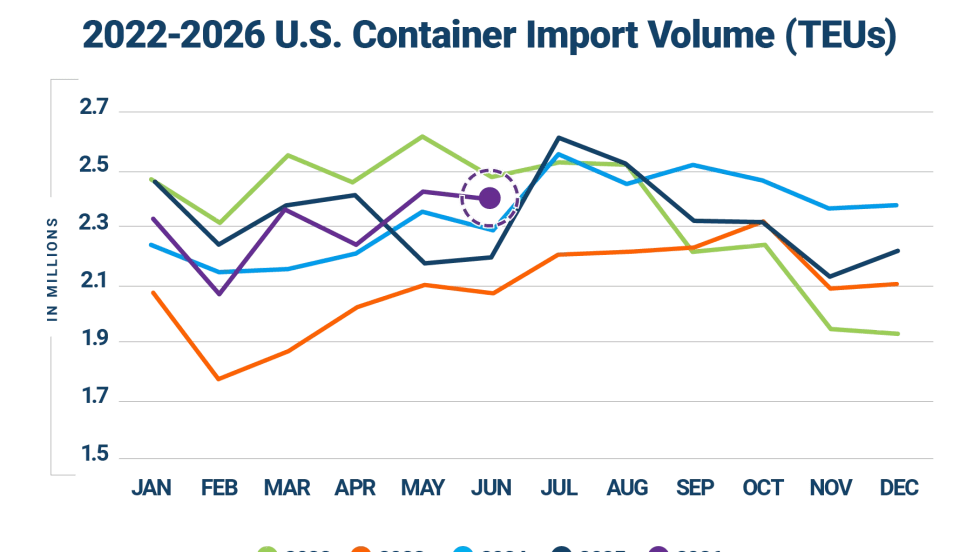
Import Cargo’s Early Peak Season is Winding Down
There was an early start to peak season this year at the nation's gateway ports, as retailers brought in merchandise ahead of tariff changes in late July and responded to other supply chain uncertainties,
Read More →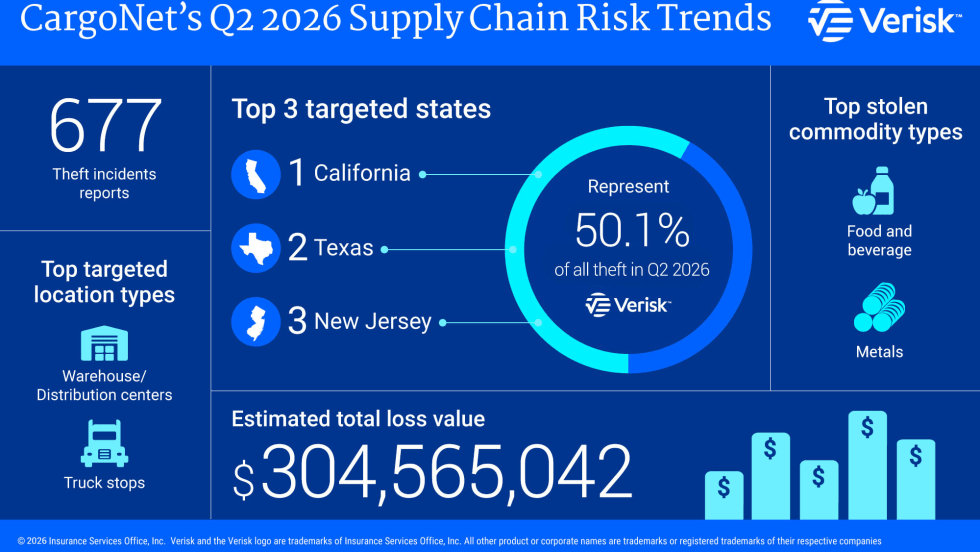
Fewer Cargo Thefts, Bigger Losses: Criminals Target Higher-Value Loads
CargoNet says organized theft rings are stealing fewer shipments but choosing more valuable freight, including metals and technology, resulting in record losses.
Read More →
How Innovative Trucking Leaders Turn Change Into an Advantage
As the pace of change accelerates in trucking, the fleets that adapt best have more than the latest technology. They have cultures that embrace improvement.
Read More →