




FMCSA Outlines Revised Hours of Service Rule
The U.S. Department of Transportation’s Federal Motor Carrier Safety Administration (FMCSA) has announced the first substantial change to the hours-of-service rules (HOS) since 1939.
The U.S. Department of Transportation’s Federal Motor Carrier Safety Administration (FMCSA) has announced the first substantial change to the hours-of-service rules (HOS) since 1939.
The science-based HOS final rule will improve highway safety and help reduce the number of truck crashes and related fatalities and injuries by addressing commercial motor vehicle (CMV) driver fatigue, according to the FMCSA.
Simultaneously, the agency said it plans to expand its research initiative on electronic onboard recorders (EOBR) and other technologies, including evaluating alternatives for encouraging or providing incentives for their use to ensure HOS recordkeeping and compliance.
While FMCSA has concluded that the safety and economic data needed to justify an EOBR requirement in the HOS final rule are not available at this time, there are several technologies that offer significant promise, FMCSA plans to investigate in this important area.
“Safety is the Bush Administration’s top transportation priority,” said U.S. Transportation Secretary Norman Y. Mineta. “Over the last several years, FMCSA has made great progress in reducing commercial vehicle crash fatalities, and this rule should help to continue that momentum. If we can lower the cost of moving freight by 1%, the additional benefit to the economy would be more than $98 billion annually.”
The new rules allow drivers to drive 11 hours after 10 consecutive hours off-duty. Also, drivers may not drive beyond the 14th hour after coming on-duty, following 10 hours off-duty. Similar to existing rules, drivers may not drive after being on-duty for 60 hours in a seven-consecutive-day period or 70 hours in an eight-consecutive-day period. This on-duty cycle may be restarted whenever a driver takes at least 34 consecutive hours off-duty.
Short-haul truck drivers –- those drivers who routinely return to their place of dispatch after each duty tour and then are released from duty -– may have an increased on-duty period of 16 hours once during any seven-consecutive-day period. The 16-hour exception takes into consideration legitimate business needs without jeopardizing safety. FMCSA estimates that without the extra two on-duty hours, the industry would be required to hire at least 48,000 new drivers, actually reducing crash-reduction benefits.
The current rule allows 10 hours of driving within a 15-hour on-duty period after eight hours of off-duty time. Also, drivers may not drive after their 15th hour on duty in a workday or after 60 hours on-duty in seven consecutive days or 70 hours on-duty in eight consecutive days.
The FMCSA estimates the new rule will save up to 75 lives and prevent as many as 1,326 fatigue-related crashes annually. There were an estimated 4,902 truck-related fatalities in traffic crashes in 2002.
Acting FMCSA Administrator Annette M. Sandberg stated, “The hours of service final rule represents a significant improvement in addressing driver fatigue over the current rule that has been in existence more than 60 years. It is a rule that not only is based on science, but makes practical sense from both a lifesaving and operations perspective, ensuring greater safety without additional enforcement complexity.”
This rule governs drivers transporting freight in interstate commerce in a property-carrying commercial vehicle with a gross vehicle weight rating of 10,001 pounds or more, and operating vehicles transporting hazardous materials in quantities requiring vehicle placards. Carriers will operate under current hours of service regulations through Jan. 3, 2004. Drivers of buses (passenger-carrying CMVs) involved in interstate transportation will continue to use the current hours-of-service regulations.
Vehicles used in oil-field operations, ground-water well-drilling operations, utility service, and transporting construction materials and equipment retain the 24-hour restart provision provided by the National Highway System Designation Act. Agricultural operations will retain their current statutory exemption from driving time requirements when occurring within a 100 air-mile radius of a farm or distribution point during planting and harvesting seasons.
FMCSA and its state enforcement partners will begin enforcing the final rule beginning Jan. 4, 2004. The implementation plan provides the FMCSA and states needed time to modify computer systems to reflect the regulatory changes, train more than 8,000 state and federal personnel, and provide education and outreach to the industry. In addition, the implementation plan allows carriers and drivers time to become familiar with the new regulation and make any procedural changes necessary for compliance.
Rules for the record-of-duty status form, also known as a driver’s daily log, remain unchanged for truck and bus drivers. Those truck and bus drivers operating within a 100 air-mile radius of the driver’s normal work location, who return to that location and are released from duty within 12 hours, will keep time cards as allowed under the current rules.
To support the development of the final rule, the FMCSA held eight public hearings, and three round-table sessions to solicit comments, and reviewed more than 53,000 written comments following the notice of proposed rulemaking.
This final rule has been placed on display at the Federal Register and is available on the Internet at www.fmcsa.dot.gov.
On Monday, April 28, it will be available on the Internet by searching for docket number FMCSA-97-2350 at www.dms.dot.gov.
More Drivers
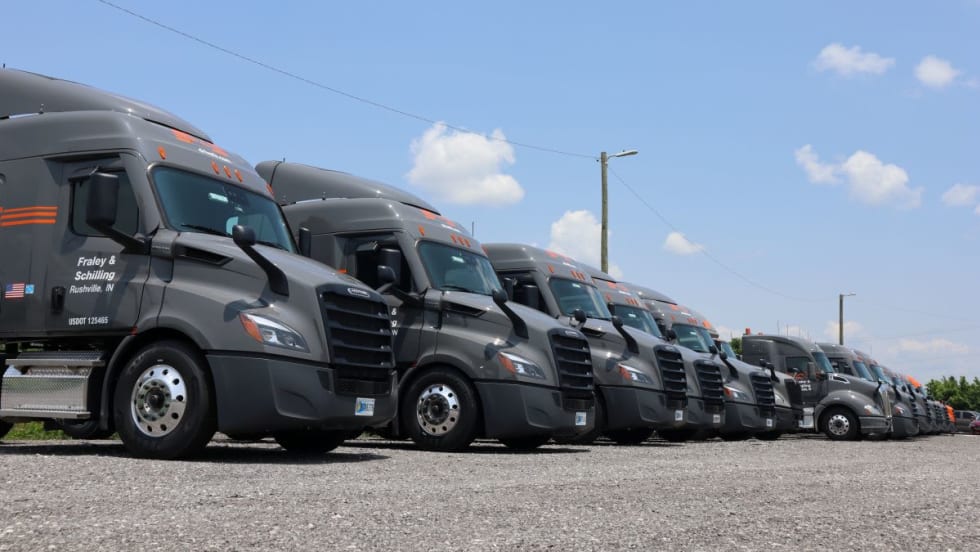
How Fraley & Schilling Improved Logbook Compliance by Over 50%
Fraley & Schilling needed a way to close a compliance workflow gap in its ELD system without adding more work from driver training, reminders, and back-office follow-ups. It found the answer in a custom driver app.
Read More →
Volvo Goes Gaming
Volvo has roared into American Truck Simulator with two new flagship trucks.
Read More →
What the Best Fleets to Drive For Teach About Driver Retention
Survey fatigue, AI-powered routing, owner-operator expectations, and the decline of social media all emerged as themes from this year's Best Fleets to Drive For program.
Read More →
Driver Retention Lessons From the Best Fleets to Drive For
What separates trucking's best workplaces from the rest? Jane Jazrawy shares the biggest lessons from this year's Best Fleets to Drive For program on driver retention, communication, AI, and workforce trends on the HDT Talks Trucking podcast.
Read More →
Farewell, CDL: Why I'm Giving Up My Commercial Driver's License
After more than 20 years as a CDL holder, HDT Executive Editor Jack Roberts is letting his commercial license expire. Not because he wants to — but because trucking's nuclear verdict crisis has made the risks of public-road test drives too great for editors, manufacturers, and everyone involved.
Read More →
How Top Trucking Fleets Improve Driver Retention [Video]
What do healthy snacks, optimized routing, and just picking up the phone have in common? They're all strategies the Best Fleets to Drive For are using to retain truck drivers.
Read More →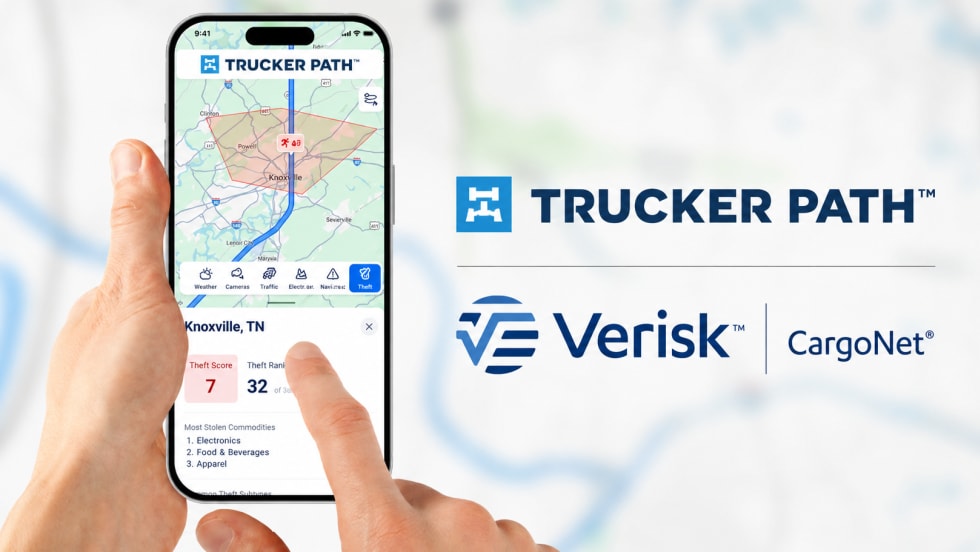
Trucker Path Adds Verisk CargoNet Theft Data to Navigation Platform
Trucker Path’s new cargo theft risk overlays give drivers and fleets visibility into high-risk areas, stolen commodity trends, and theft hotspots.
Read More →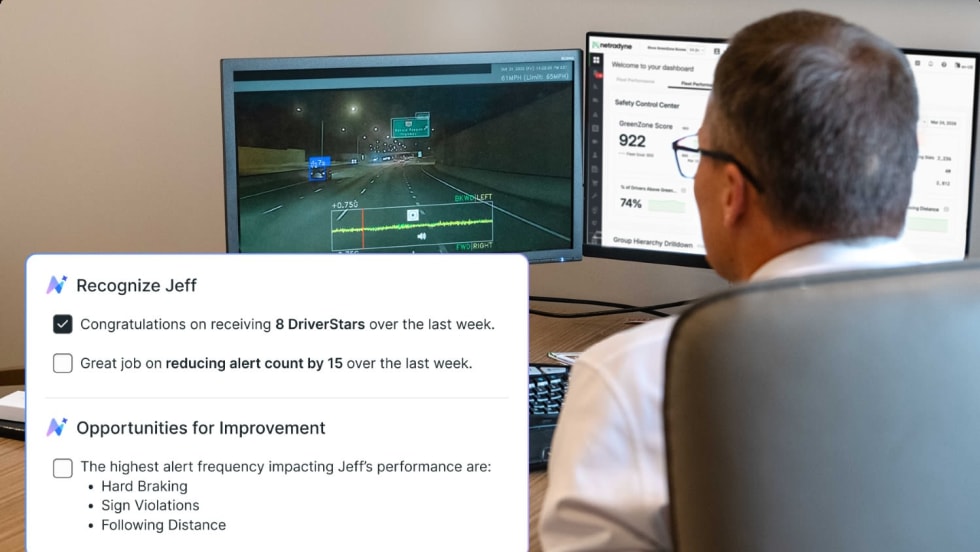
Netradyne Intelligence Uses New AI Agents to Automate Response to In-Cab Camera Data
The company called the next-generation in-cab camera safety platform "a fundamental shift from systems that report on what happened to systems that actively drive what should happen next."
Read More →
Why Truck Detention Keeps Costing Fleets Time and Money
A 2024 ATRI study found detention affects nearly 40% of truckload stops and costs the industry more than $15 billion annually. Despite the toll on drivers, fleets, and supply chains, the problem remains stubbornly persistent.
Read More →
Prime Inc. to Open $7.9M Flagship Used-Truck Dealership
A new driver-focused facility to sell Prime Inc's used trucks and trailers will be the first purpose-built location in the company's history.
Read More →