




FMCSA: No Changes to English Language Rule
The Federal Motor Carrier Safety Administration has dropped an inquiry into the English language requirement for truck drivers, concluding that there is not enough quantifiable data to support changes
The Federal Motor Carrier Safety Administration has dropped an inquiry into the English language requirement for truck drivers, concluding that there is not enough quantifiable data to support changes.
The issue goes back to 1997 when the Federal Highway Administration, which at the time was in charge of motor carrier safety, issued an advance notice of proposed rulemaking requesting comments on the provisions in federal safety regulations (49CFR 391.11). Those provisions required that commercial vehicle drivers in interstate commerce be able to "read and speak the English language sufficiently to converse with the general public, understand highway traffic signs and signals, respond to official inquiries, and make entries on reports and records."
The rule, which dates back to the mid-1930s, makes employers responsible for evaluating a driver’s proficiency in the English language. There is no provision for roadside enforcement, and English proficiency is not a pre-requisite for a Commercial Drivers License. In fact, CDL rules authorize the states to administer tests in foreign languages.
The notice posed a series of specific questions but the debate centered on whether or not there should be a definitive standard, whether the rules should be more stringent, and whether they violate federal discrimination laws.
FMCSA recently decided to make no changes and to withdraw the rulemaking proposal.
"The rule as written gives carriers the flexibility to individually determine if a driver has the communication skills necessary to operate safety," the agency said. "There is no data to suggest that this flexibility has caused discrimination or to conclude that motor carriers are employing the requirements in anything other than an evenhanded manner, tailored to the requirement of each particular company’s operations. The intent of the English-only regulation is not to discriminate, but to advance public safety."
Further, the agency said it finds no inconsistency in the fact that states are allowed to offer CDL tests in languages other than English while carriers must ensure a level of proficiency. "The tests, training and study manuals associated with obtaining a CDL are complex," it said. "Therefore, the administration of the CDL test in languages other than English is justified. However, in actual operation on the highway, the CDL driver must be able, based on the needs of the carrier’s operation, to have a sufficient command of English to ensure that safety is not compromised."
The notice was published in the July 24 Federal Register which can be accessed on the Internet at www.gpoaccess.gov.
More Drivers
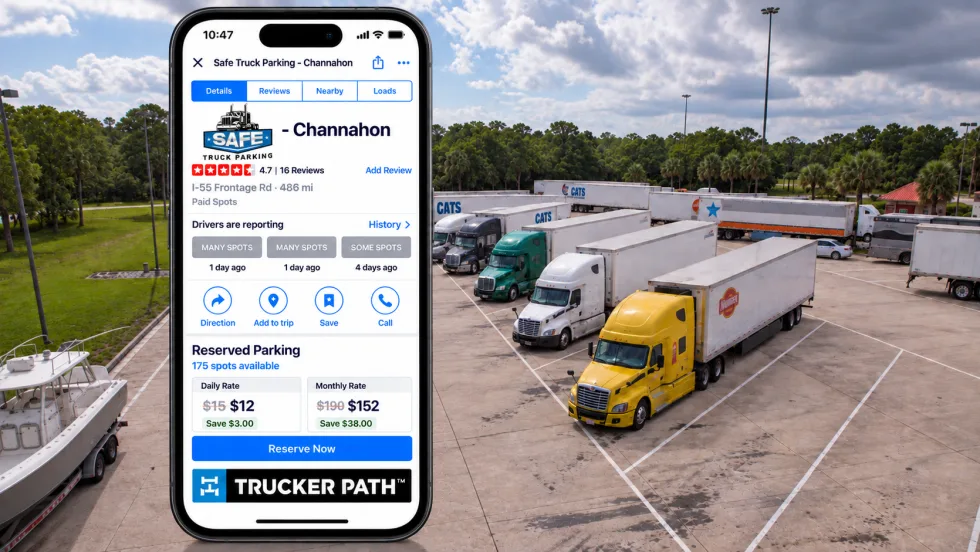
Trucker Path Expands Reserved Parking Network
Trucker Path has added close to 6,000 more truck parking spaces to its Trucker Path Reserved Parking Network with the addition of Safe Truck Parking.
Read More →
EEOC Sues Texas Trucking Company Over Driver Age Limits
The agency says Trancasa USA rejected applicants over 65 and applied tougher driving-record standards to those over 60.
Read More →
Nussbaum, Roehl Announce Second Driver Pay Increase This Year
This year has seen a swath of major truck driver pay increases as freight capacity has tightened.
Read More →
From One Generation to the Next: How Mentorship Builds Safer Truck Drivers
After three decades in trucking, Harold Perry shares what he's learned about driver safety, mentorship, and helping the next generation build confidence behind the wheel.
Read More →
Truck Drivers Need More Than Another Alert
Fleets have more visibility into truck health, safety events, and driver activity than ever. The next challenge is turning all that information into useful guidance for the person who has to decide what to do next.
Read More →
FMCSA Removes 110 Truck Driver Training Schools from Certified ELDT List
Federal regulators also are targeting more than 160 additional training providers and launching a nationwide audit of third-party CDL skills testers as part of a broader crackdown on trucking fraud.
Read More →
Hours of Service Pilot Programs: FMCSA Readies for 2027 Rollout
Two pilot programs could eventually reshape hours-of-service rules, giving truck drivers options to pause their 14-hour clock or use longer split sleeper rest periods.
Read More →
Medical Cards, English Proficiency Reshape Roadcheck Violations
Medical-card violations jumped to the top of the driver out-of-service list during CVSA’s 2026 International Roadcheck, while English-language proficiency violations appeared among the leading violations for the first time.
Read More →
Driver Trust Can Make or Break the Success of Fleet Safety Technology
New Teletrac Navman research suggests that onboarding, transparency about driver data, and positive feedback can play a significant role in how commercial drivers respond to safety and coaching technology.
Read More →
EEOC Sues KLLM Over Alleged Sex Discrimination in Driver Training
KLLM is facing a federal sex-discrimination lawsuit over policies the EEOC alleges put female truck driver trainees at a disadvantage.
Read More →