




FMCSA Issues New 90-Day ELD Waiver for Ag Haulers
The FMCSA is granting an additional 90-day temporary waiver from the electronic logging rule for “agriculture-related transportation.” During that time period, the agency says it will also publish "final guidance" on both the agricultural air-mile exemption within the hours of service rule and on the use of the personal conveyance adjustment by all motor carriers operating under the ELD rule.

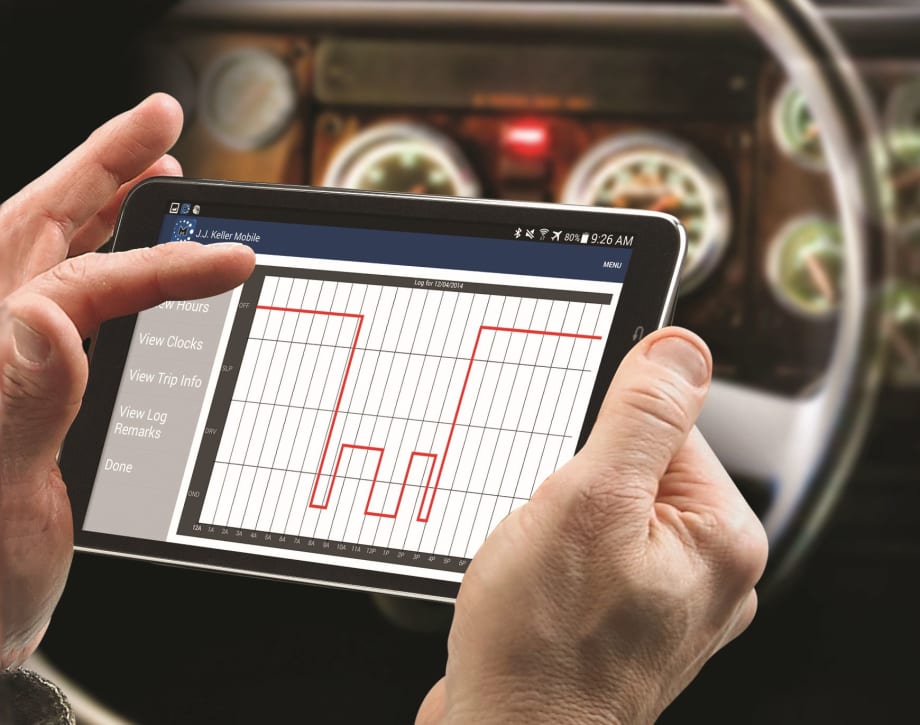
FMCSA is granting an additional 90-day temporary waiver from the ELD rule for “agriculture-related transportation.” Photo: J.J. Keller
FMCSA is granting an additional 90-day temporary waiver from the ELD rule for “agriculture-related transportation.”Photo: J.J. Keller
The Federal Motor Carrier Safety Administration announced on March 13 that it is granting an additional 90-day temporary waiver from the electronic logging device rule for “agriculture-related transportation.”
The agency also said that during that time period, it will publish “final guidance” on both the agricultural air-mile exemption within the hours-of-service rule and on the use of the personal conveyance adjustment by all motor carriers operating under the ELD rule.
“We continue to see strong compliance rates across the country that improve weekly, but we are mindful of the unique work our agriculture community does and will use the following 90 days to ensure we publish more helpful guidance that all operators will benefit from,” FMCSA Administrator Ray Martinez said in a statement.
According to FMCSA, since December 2017, roadside compliance with the hours of service record-keeping requirements, including the ELD rule, has been “steadily increasing, with roadside compliance reaching a high of 96% in the most recent available data." On top of that, the agency noted, there are more than 330 separate self-certified electronic log devices listed on the FMCSA's registration list.
Full electronic log enforcement rapidly approaching
The agency reiterated that full enforcement of the ELD rule will begin on April 1, 2018.
As of that date, carriers found to not have an ELD when required will be placed out of service. The driver will remain out-of-service for 10 hours in accordance with Commercial Vehicle Safety Alliance criteria. FMCSA noted that at that point, “to facilitate compliance, the driver will be allowed to travel to the next scheduled stop and should not be dispatched again without an ELD. If the driver is dispatched again without an ELD, the motor carrier will be subject to further enforcement action.”
The agency added that it is “committed to continuing the ongoing dialogue on these issues" with the various segments of the trucking industry.”
The waiver and upcoming set of guidances have been announced, but they will not be published in the Federal Register right away.
An FMCSA official noted in a March 13 conference call with reporters that the new waiver for ag haulers will be published before the current one expires on March 18.
As for the guidance on ag haulers’ use of air miles and that of personal conveyance by all carriers, a notice on that won’t be published for 60 to 90 days from now, as the agency must sift through all the comments it has received.
Responding to a question from HDT during the call, Joe DeLorenzo, FMCSA's director compliance and enforcement, said the need to release specific guidance on using the personal conveyance mode was due more than anything to general misunderstanding of how it works. Although personal conveyance is not a new rule, it was not formerly officially tracked – until the ELD rule.
"Prior to this rule, [personal conveyance mode] did not exist, so adding it in has raised questions [regarding all types of carriers] that need to be clarified, both for the carriers and especially for law enforcement,” said DeLorenzo.
For more information on the ELD rule posted by the agency, click here.
More Drivers

Truck Drivers Need More Than Another Alert
Fleets have more visibility into truck health, safety events, and driver activity than ever. The next challenge is turning all that information into useful guidance for the person who has to decide what to do next.
Read More →
FMCSA Removes 110 Truck Driver Training Schools from Certified ELDT List
Federal regulators also are targeting more than 160 additional training providers and launching a nationwide audit of third-party CDL skills testers as part of a broader crackdown on trucking fraud.
Read More →
Hours of Service Pilot Programs: FMCSA Readies for 2027 Rollout
Two pilot programs could eventually reshape hours-of-service rules, giving truck drivers options to pause their 14-hour clock or use longer split sleeper rest periods.
Read More →
Medical Cards, English Proficiency Reshape Roadcheck Violations
Medical-card violations jumped to the top of the driver out-of-service list during CVSA’s 2026 International Roadcheck, while English-language proficiency violations appeared among the leading violations for the first time.
Read More →
Driver Trust Can Make or Break the Success of Fleet Safety Technology
New Teletrac Navman research suggests that onboarding, transparency about driver data, and positive feedback can play a significant role in how commercial drivers respond to safety and coaching technology.
Read More →
EEOC Sues KLLM Over Alleged Sex Discrimination in Driver Training
KLLM is facing a federal sex-discrimination lawsuit over policies the EEOC alleges put female truck driver trainees at a disadvantage.
Read More →
FMCSA Moves to Codify English Language Requirements for Commercial Drivers
By changing regulations on English-language proficiency requirements for commercial drivers, rather than relying on a guidance memo, the FMCSA said future administrations won't be able to walk back the Trump administration's stricter enforcement with just a memo.
Read More →
Drivers Put Western Star Trucks to the Test at Star Nation Experience
Watch to get an inside look at the Western Star trucks, technology, and community behind the Star Nation Experience 2026!
Read More →
Trump Administration Looks to Put More Veterans Behind the Wheel
The Freedom Haulers program pulls together existing and expanded programs at several federal agencies to recruit veterans to drive commercial heavy-duty trucks and cut the red tape for them to get a CDL, training, and employment.
Read More →
Putting Mack’s Command Steer to the Test
A test drive of Mack’s Command Steer active steering system evaluates how it can make truck driving easier and less tiring.
Read More →