




FMCSA Finally Issues Final Rule on Driver-Training Standards
A very long-awaited final rule on national minimum training standards for entry-level applicants seeking to obtain a commercial driver’s license or certain endorsements was announced on Dec. 7 by the Federal Motor Carrier Safety Administration.


Photo: FMCSA

Photo: FMCSA
A very long-awaited final rule on national minimum training standards for entry-level applicants seeking to obtain a commercial driver’s license or certain endorsements was announced on Dec. 7 by the Federal Motor Carrier Safety Administration.
The agency had been working on this rulemaking since 2007, but efforts to advance such a rule date back to the 1980s. The effective date of the new rule is February 6, 2017 and the compliance date is listed as February of 2020.
The final rule does not include a requirement for 30 hours of behind-the-wheel training for new drivers, which had been included in the notice of proposed rulemaking that FMCSA issued in March of this year. That NPRM also called for a minimum of 10 hours of training on a “driving range” as well as an unspecified amount of time driving on a public road.
FMCSA noted that the final rule retains “many” of the recommendations of a negotiated rulemaking committee that was comprised of 25 industry stakeholders and agency representatives.
Per the final rule, applicants seeking a CDL will have to demonstrate proficiency in knowledge training and behind-the-wheel training on a driving range and on a public road. But there are no required minimum number of hours for the knowledge or behind-the-wheel portions of any of the individual training curricula. However, training providers must determine that each CDL applicant demonstrates proficiency in all required elements of the training to successfully complete the program.
In addition, the driver training must be obtained from an instructional program that meets qualification standards set forth in the final rule. FMCSA said it expects that “many entities currently providing entry-level driver training, including motor carriers, school districts, independent training schools, and individuals will be eligible to provide training that complies with the new requirements.”
Mandatory, comprehensive training in all 50 states, the District of Columbia, and all U.S. territories would apply to the following individuals under the Final Rule:
First-time CDL applicants, including for Class A and Class B CDLs
Current CDL holders seeking a license upgrade (e.g., a Class B holder seeking a Class A) or an additional endorsement to transport hazardous materials, or to operate a motor coach or school bus
The rulemaking was mandated by Congress under the MAP-21 highway bill, passed in 2012. FMSCA said the rule is based, in part, on recommendations of the agency’s Entry-Level Driver Training Advisory Committee, a negotiated rulemaking committee that held a series of meetings in 2015.
“This new rule represents the culmination of a sustained and coordinated effort to identify appropriate pre-licensing CDL standards that will enhance safety on our Nation’s roads,” said FMCSA Administrator T.F. Scott Darling, III. “Without the collective efforts of our stakeholders working closely with us, we could not have completed this important lifesaving rule. We especially appreciate the Entry-Level Driver Training Advisory Committee for its tireless efforts and expertise to enhance roadway safety through the negotiated rulemaking process.”
The American Trucking Associations praised the rule for its “common sense” approach to safety. “ATA has consistently advocated that skills, not simply time spent in a classroom or behind the wheel, should be the deciding factor if a student should be allowed to take a commercial driver’s license test,” said ATA Executive Vice President of Advocacy Bill Sullivan. “Today’s rule is a victory for common sense and for safety.”
ATA Director of Safety Policy P. Sean Garney noted that the association participated in FMCSA’s negotiated rulemaking process and is “pleased with how the agency outlined the skills and knowledge students must have. “At the conclusion of the negotiation, ATA expressed our disappointment the agency appeared poised to go with an hours-based training regimen, but we were pleased and surprised to see they eschewed an arbitrary hours threshold in favor of a skills-based standard.”
Also welcoming the rule’s release and its specifics was the Commercial Vehicle Training Association, which represents nearly 200 training providers in 41 states, a member of the ELDTAC that helped FMCSA formulate the rule’s minimum training requirements.
“FMCSA has put forth a common-sense rule, which recognizes the value and importance of effectively training commercial drivers based on their actual performance,” said Don Lefeve, CVTA president & CEO, CVTA. “This rule ensures that students can only sit for their CDL exam after demonstrating driving and knowledge proficiency. This is a major step in advancing highway safety by requiring driver training and ends nearly 25 years of effort to get this rule in place.”
As described by CVTA, here’s what the rule requires of the providers of entry-level driver training:
Register with FMCSA’s Training Provider Registry (TPR) and certify that their program meets the standards for classroom and behind-the-wheel (BTW) training
Certify students have completed BTW training to a proficiency standard
Certify their program teaches the required classroom subjects (outlined in the final rule), and that students have completed a written assessment covering all subjects with a passing score of 80% or higher
Certify students have demonstrated proficiency in operating a vehicle before sitting for the CDL exam
Click here to view the final ELDT rule.
More Drivers
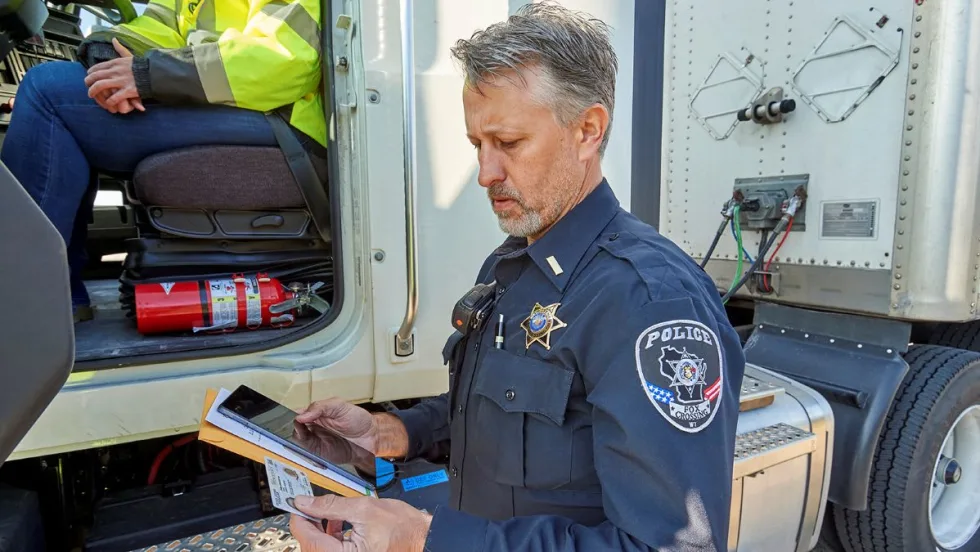
When Language Stops the Truck: The Return of ELP Out-of-Service Orders
English language proficiency rules for commercial drivers aren’t new, but renewed out-of-service enforcement has raised the stakes. Here’s what carriers need to know before a driver reaches a roadside inspection.
Read More →
Samsara Launches Custom AI Agent Builder
Agent Studio lets fleets create AI tools for hours-of-service monitoring, reporting and driver support, including agents that communicate by phone.
Read More →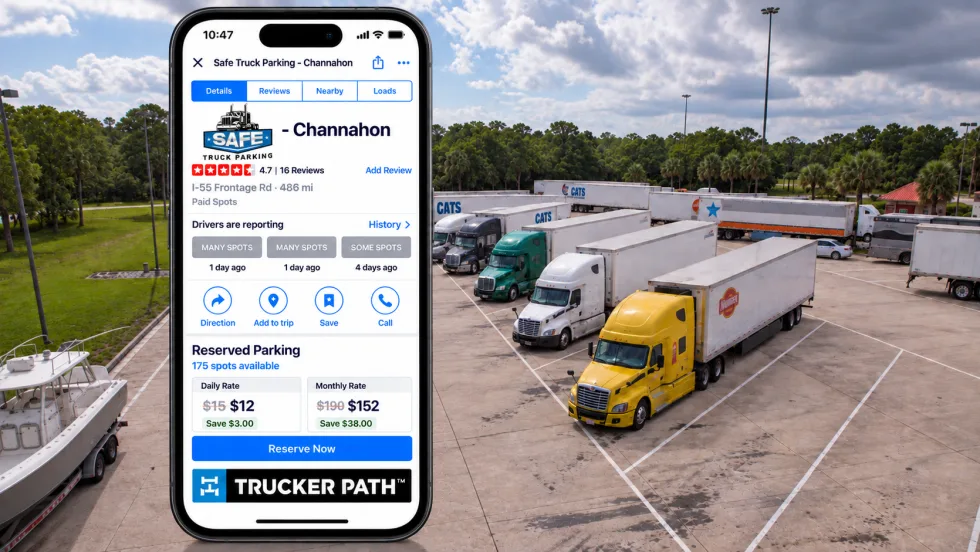
Trucker Path Expands Reserved Parking Network
Trucker Path has added close to 6,000 more truck parking spaces to its Trucker Path Reserved Parking Network with the addition of Safe Truck Parking.
Read More →
EEOC Sues Texas Trucking Company Over Driver Age Limits
The agency says Trancasa USA rejected applicants over 65 and applied tougher driving-record standards to those over 60.
Read More →
Nussbaum, Roehl Announce Second Driver Pay Increase This Year
This year has seen a swath of major truck driver pay increases as freight capacity has tightened.
Read More →
From One Generation to the Next: How Mentorship Builds Safer Truck Drivers
After three decades in trucking, Harold Perry shares what he's learned about driver safety, mentorship, and helping the next generation build confidence behind the wheel.
Read More →
Truck Drivers Need More Than Another Alert
Fleets have more visibility into truck health, safety events, and driver activity than ever. The next challenge is turning all that information into useful guidance for the person who has to decide what to do next.
Read More →
FMCSA Removes 110 Truck Driver Training Schools from Certified ELDT List
Federal regulators also are targeting more than 160 additional training providers and launching a nationwide audit of third-party CDL skills testers as part of a broader crackdown on trucking fraud.
Read More →
Hours of Service Pilot Programs: FMCSA Readies for 2027 Rollout
Two pilot programs could eventually reshape hours-of-service rules, giving truck drivers options to pause their 14-hour clock or use longer split sleeper rest periods.
Read More →
Medical Cards, English Proficiency Reshape Roadcheck Violations
Medical-card violations jumped to the top of the driver out-of-service list during CVSA’s 2026 International Roadcheck, while English-language proficiency violations appeared among the leading violations for the first time.
Read More →