




FMCSA Again Delays Rollout of Online DOT Registration System
The Federal Motor Carrier Safety Administration has again delayed implementation of the final stage of its Unified Registration System for new motor carriers.

Image: U.S. Department of Transportation
Image: U.S. Department of Transportation
The Federal Motor Carrier Safety Administration has again delayed implementation of the final stage of its Unified Registration System for new motor carriers.
Completion of the URS rollout had last been scheduled for January 14, 2017, a date announced back in July. Prior to that, the implementation date had been set for Sept. 30, 2016.
Now, the agency has instead announced it will publish a notice in the Federal Register early next month that will state the newly revised URS compliance date.
By way of explanation, FMCSA said it recently completed a “complex migration” of its IT systems to a cloud environment. “This mitigation effort was a necessary step in order to provide a foundation to successfully implement URS.”
However, the agency said the new implementation delay is necessary “because additional time is needed to securely migrate data from multiple legacy platforms into a new central database” and to conduct further compatibility testing with its state-agency partners.
“By moving the implementation date, FMCSA is providing its State partners more time to develop, update, and verify data connectivity and system reliability,” the agency said. “The additional time will also enable the Agency to conduct more thorough training and to implement broader outreach and education activities that will provide for a seamless transition.”
URS is a simplified online registration process. It combines multiple legacy reporting forms into a single, online “smart form” that is designed to streamline the registration and renewal process.
When fully implemented, URS will allow FMCSA to identify unfit carriers and detect unsafe truck and bus companies that are trying to evade enforcement actions. Offending companies often attempt to regain U.S. DOT registration by registering as a different or unrelated business entity.
Since the December 2015 launch of the initial phase of URS, FMCSA estimates that the industry has saved more than $3 million in registration expenses. What's more, the agency said that using URS, it has so far issued over 100,000 new USDOT numbers; removed more than 360,000 dormant USDOT numbers from its databases; and achieved “a 100 percent screening of operating authority applications for disqualified carriers attempting to fraudulently ‘reincarnate’ as new operators.”
More Fleet Management
Motive Adds AI Agents for Fleet Operations
New tools automate follow-up on fleet data, from maintenance work orders to driver alerts, with two-way voice conversations planned for later this year.
Read More →
Can You Beat Our Trucking Trivia Challenge?
Test your truck knowledge with 19 trivia questions from Heavy Duty Trucking Exchange. Can you keep up with the fleet pros?
Read More →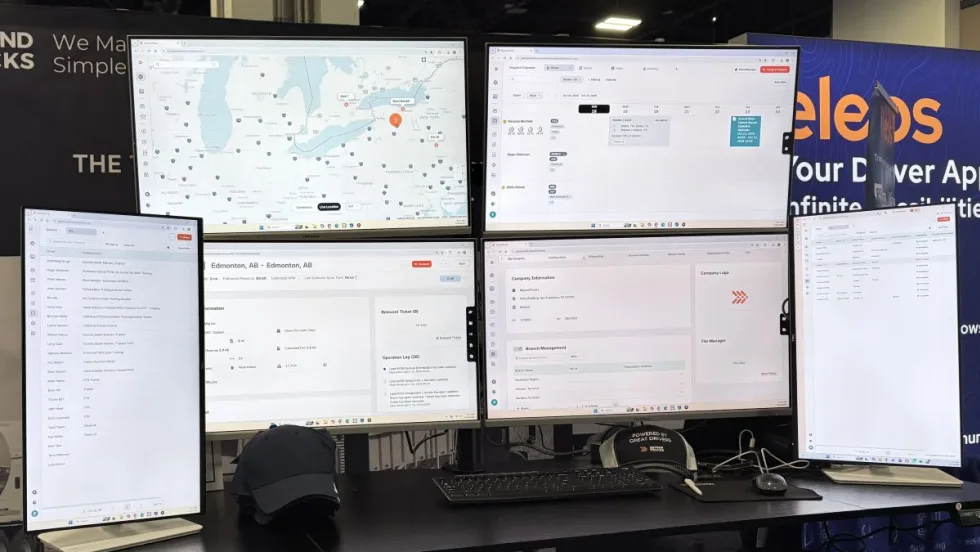
BeyondTrucks Adds Rules Checks to Dispatch
New Compatibility Engine checks driver qualifications, equipment requirements and fleet policies before loads are dispatched.
Read More →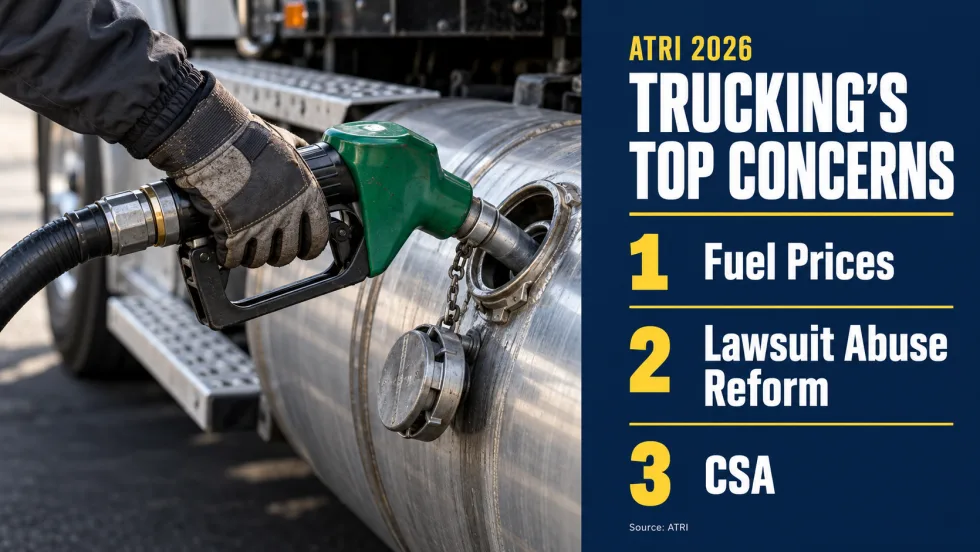
Diesel Prices Hijack Trucking’s Worry List
ATRI’s annual survey finds cautious optimism about freight, but diesel costs, litigation, and insurance continue to squeeze fleets. Drivers have different priorities on several issues.
Read More →
Nomination Deadline Extended for HDT Emerging Leaders
Just a few more days to nominate accomplished trucking fleet professionals under 40 who are making an impact and helping lead the industry forward for the HDT Emerging Leaders award. Deadline extended to October 20!
Read More →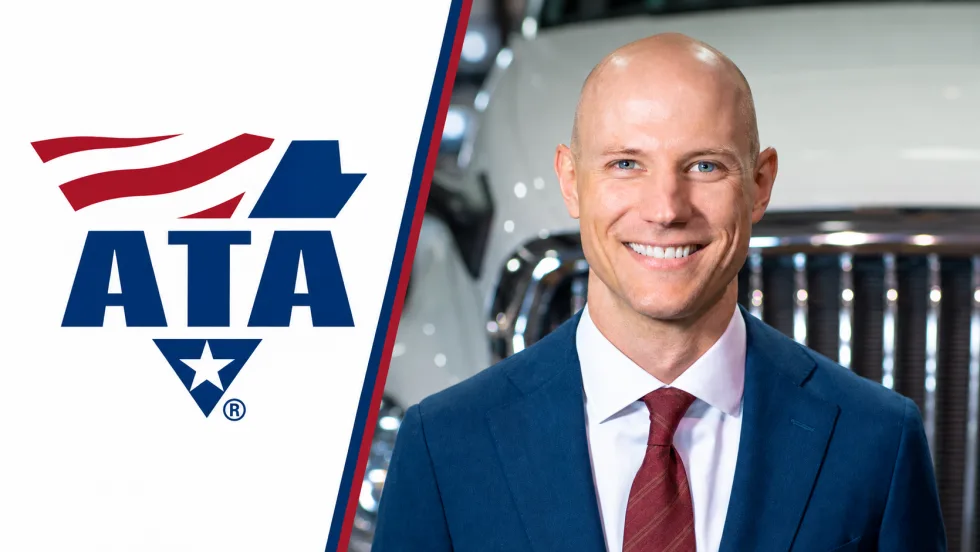
What Will ATA’s New Leader Bring to Trucking's Table?
Incoming President and CEO Mark Colson’s record in Alabama offers clues about his priorities and approach following Chris Spear’s abrupt departure as the head of the American Trucking Associations.
Read More →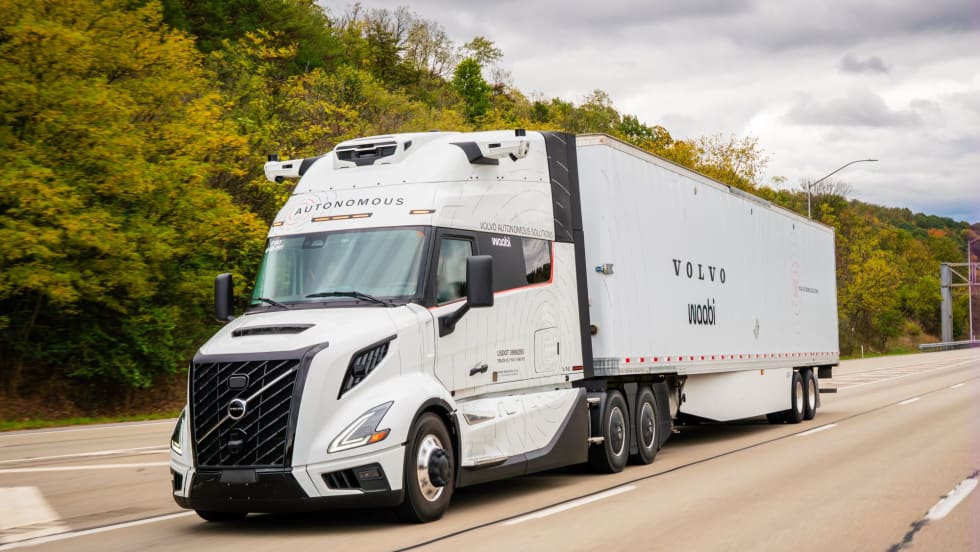
Volvo, Waabi Start Commercial Autonomous Operations in Texas
Volvo VNL Autonomous trucks, powered by the Waabi Driver, are hauling freight directly to third-party facilities for a customer in Texas.
Read More →
Samsara Launches Custom AI Agent Builder
Agent Studio lets fleets create AI tools for hours-of-service monitoring, reporting and driver support, including agents that communicate by phone.
Read More →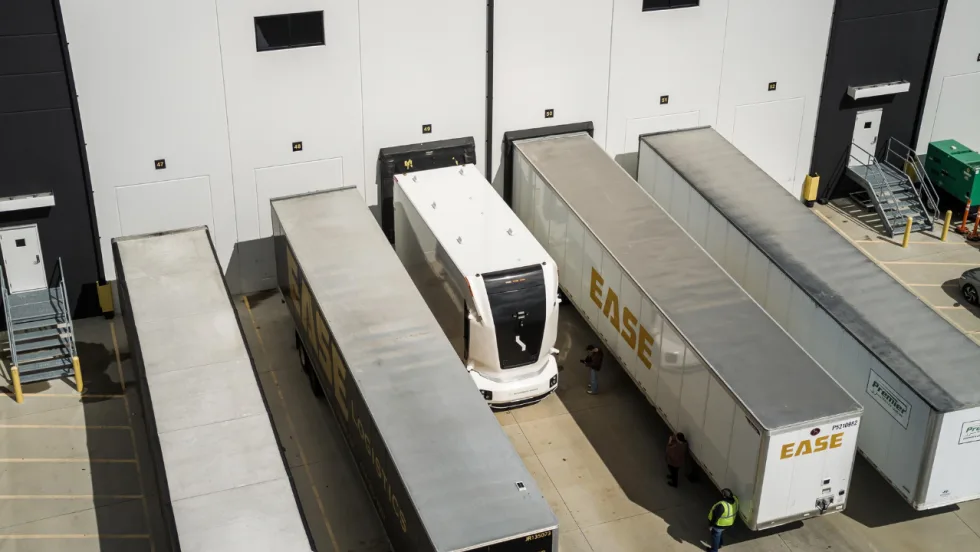
Einride Driverless Electric Trucks Begin Daily Freight Operations in Ohio
Two cabless electric trucks are hauling freight between EASE Logistics facilities in Marysville, Ohio, as part of a multi-state truck automation project.
Read More →
Geotab Links Fleet Card to Vehicle Data
The new card combines fuel discounts with telematics-based purchase controls. Geotab’s analysis also points to potential savings from choosing lower-priced fuel stops.
Read More →