




Fleet Safety Conference to Feature Heavy-Duty Truck Sessions
This year's Fleet Safety Conference, July 22-23 at the Renaissance Schaumburg Convention Center Hotel in Schaumburg, Ill., will feature sessions aimed at heavy-duty truck fleets, such as what you don't know about truck inspections and an update on hours of service and electronic logs.

This year's Fleet Safety Conference, July 22-23 at the Renaissance Schaumburg Convention Center Hotel in Schaumburg, Ill., will feature sessions aimed at heavy-duty truck fleets, such as what you don't know about truck inspections and an update on hours of service and electronic logs.
From the publishers of HDT and other fleet magazines such as Automotive Fleet and Work Truck magazine, Fleet Safety Conference is designed for fleet, risk, safety, sales, human resources and EHS professionals to offer current and expert insights and practical education on improving fleet safety.
A heavy-duty truck track will feature sessions on:
How to Help Drivers Deal with In-Vehicle Distractions
The onset of electronics, both portable and those that are built into today’s vehicles, has created a driving environment that is fraught with distraction. This session will explain what fleet safety professionals of all types of fleets can do to decrease in-vehicle distractions.
Hours of Service and Electronic Logs: Where We Are and Where We're Going
Where do hours-of-service regulations stand today after the most recent round of changes, and are there any official actions under way to make more changes? How will the federal government's proposed rules on mandatory electronic logging devices shape the use and functions of the next generation of these devices? This session will address these questions and more, including strategies to successfully transition your operation to an automatic electronic logging system.
Training Drivers on How to Respond at the Scene of an Accident
Personal injury claims against fleets have skyrocketed, both in the number filed and the size of the jury verdicts. How the driver responds at the scene of an accident can be a significant factor in determining the outcome of the claim. Most companies offer little to no training to drivers. This session will explain how to train your drivers to respond at the scene of an accident, in particular, the five things you should never do following an accident.
A Fleet Manager's Guide to Surviving a Deposition and Other Fleet-Related Legal Issues
Shortly after a lawsuit is filed, a process called discovery typically begins. As part of the discovery process, a deposition is taken, which is a question-and-answer session conducted under oath, which can often involve the fleet manager. This session will help fleet managers avoid the pitfalls that commonly occur during a deposition, along with how to handle other fleet-related legal issues that may be encountered in a fleet-related lawsuit.
Scoring Positive Results with Driving Simulators
Learn how to apply winning tactics of other organizations using driving simulation technology to train fleet drivers. Find out when a simulation program should be implemented, how to justify it to senior management, and ways to get drivers to embrace it. Listen to real life case studies and learn how UPS and other leading trucking companies have implemented virtual training into their driver training programs and have reduced crashes substantially. Don’t miss this chance to learn how to reduce costs and mitigate risk for your company. After the presentation by Bob Davis, CEO of VDI, attendees will have an opportunity to experience firsthand a driving simulator using scenarios featuring heavy-duty trucks.
Event Video Recorders: Time is Everything
If every commercial vehicle over 10,000 pounds were equipped with an in-cab video-based driver safety system, about 800 lives could be saved each year and more than 38,000 injuries prevented, according to a new study conducted by the Virginia Tech Transportation Institute for Lytx regarding its DriveCam system. Find out more about how this technology could help your fleet.
What You Don't Know About Truck Inspections
John Seidl, former FMCSA inspector, will discuss critical elements of an effective vehicle maintenance program and share areas where many motor carriers fall short. You will discover how your maintenance program measures up during a review and how that correlates to a roadside inspection. He will point out what inspectors look for and things drivers often overlook while on the road.
The early bird registration deadline is June 20. More info at www.fleetsafetyconference.com
More Drivers
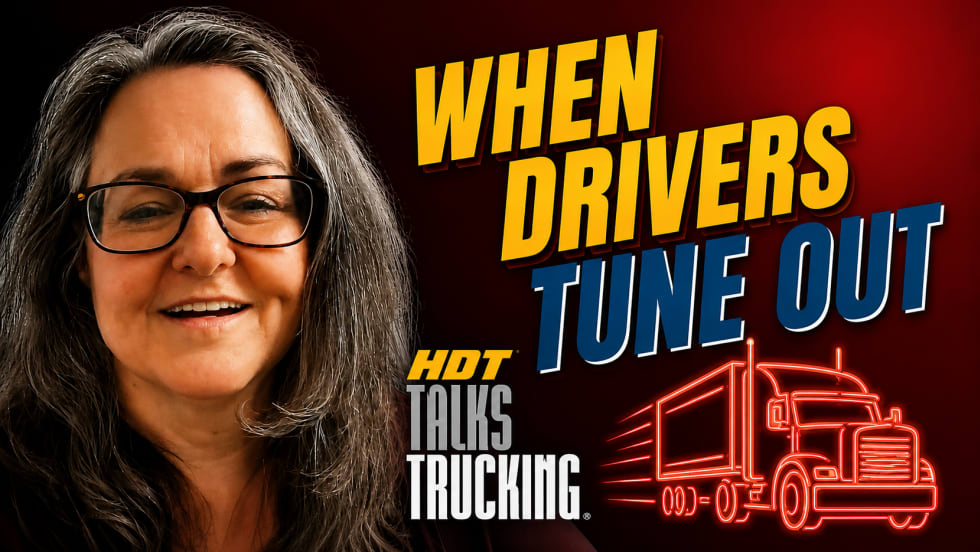
How Top Trucking Fleets Improve Driver Retention [Video]
What do healthy snacks, optimized routing, and just picking up the phone have in common? They're all strategies the Best Fleets to Drive For are using to retain truck drivers.
Read More →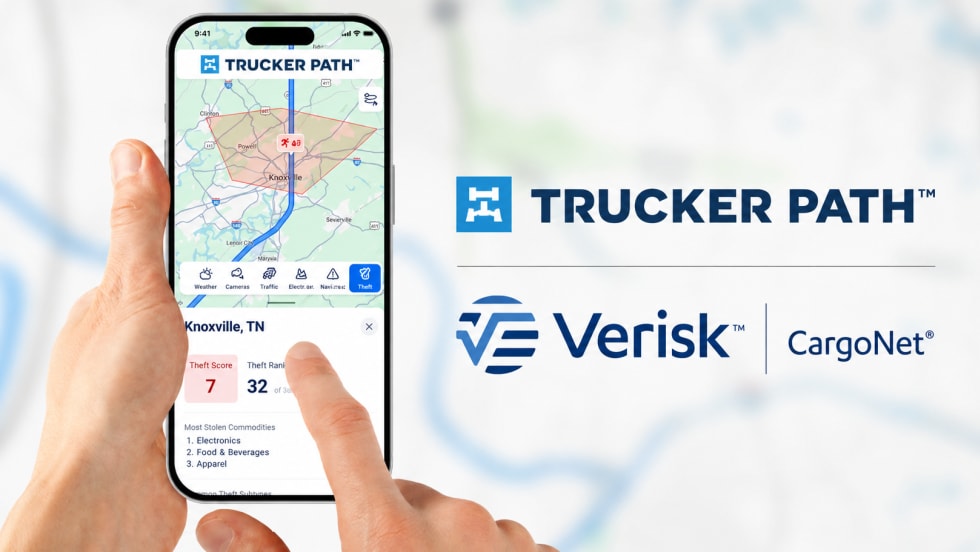
Trucker Path Adds Verisk CargoNet Theft Data to Navigation Platform
Trucker Path’s new cargo theft risk overlays give drivers and fleets visibility into high-risk areas, stolen commodity trends, and theft hotspots.
Read More →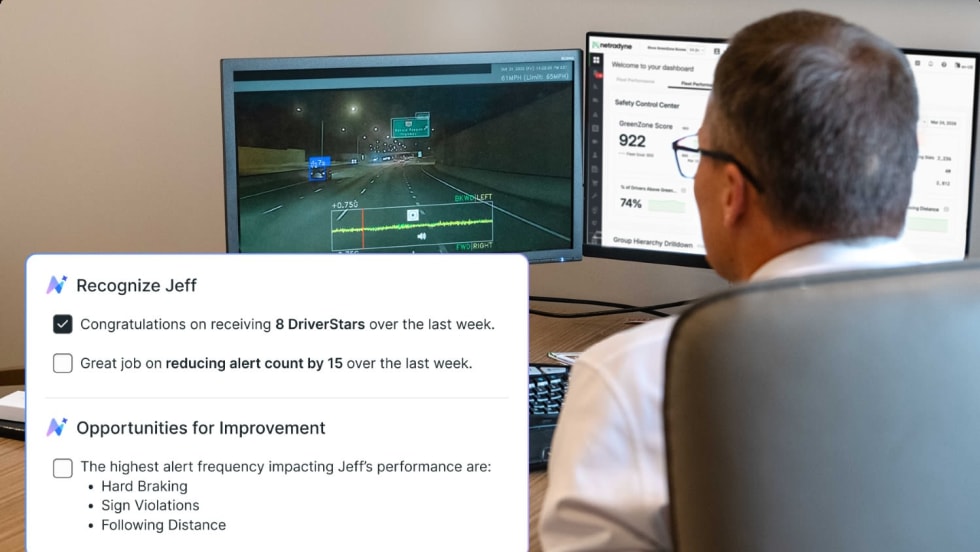
Netradyne Intelligence Uses New AI Agents to Automate Response to In-Cab Camera Data
The company called the next-generation in-cab camera safety platform "a fundamental shift from systems that report on what happened to systems that actively drive what should happen next."
Read More →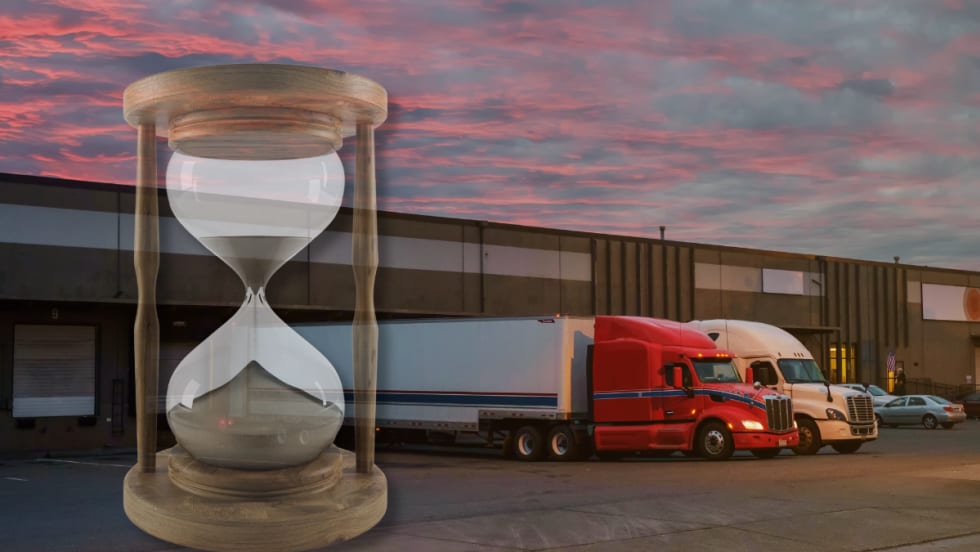
Why Truck Detention Keeps Costing Fleets Time and Money
A 2024 ATRI study found detention affects nearly 40% of truckload stops and costs the industry more than $15 billion annually. Despite the toll on drivers, fleets, and supply chains, the problem remains stubbornly persistent.
Read More →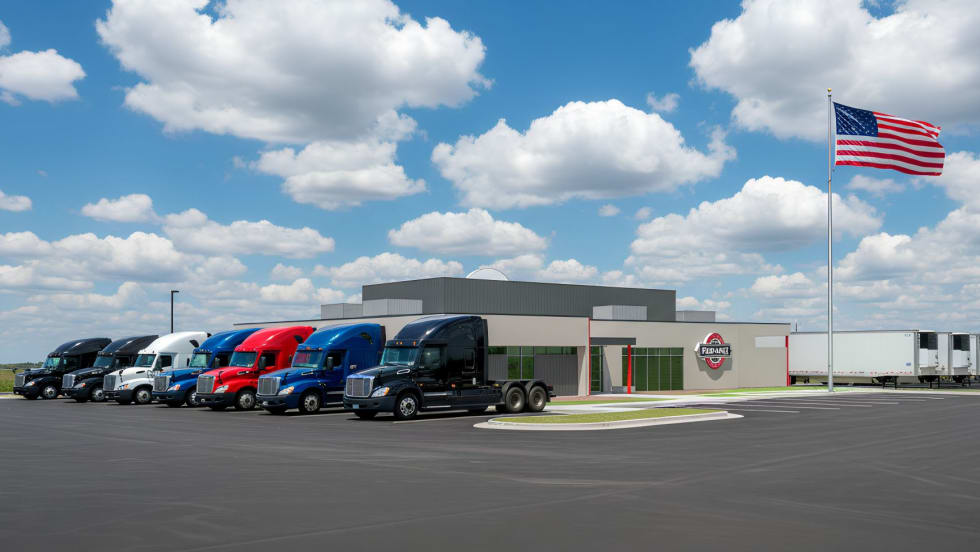
Prime Inc. to Open $7.9M Flagship Used-Truck Dealership
A new driver-focused facility to sell Prime Inc's used trucks and trailers will be the first purpose-built location in the company's history.
Read More →
Short Takes: Inside K&B’s Truck Safety Tech
Listen to learn how K&B Transportation uses cellphone-blocking technology, speed management systems, weather geofencing, bridge avoidance tools, and more to improve driver safety.
Read More →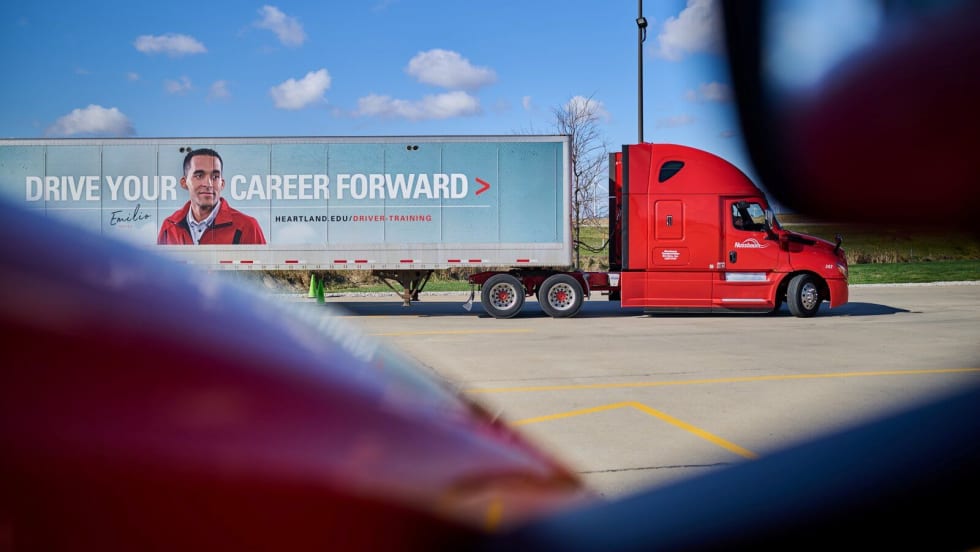
Nussbaum Expands Driver Compensation with Pay Raises, Profit Sharing
Nussbaum Transportation said its latest compensation package could push first-year driver earnings above $90,000 in key hiring markets.
Read More →
Listen: Inside Modern Fleet Safety: AI, Cameras & Speed Control at K&B Transportation
Fleet safety is evolving fast—and technology is at the center of it. Learn how a former commercial vehicle enforcement officer turned director of safety at K&B Transportation is embracing real-world safety technology.
Read More →
Maverick Announces 2026 Driver Pay Raises
New raises for Maverick Transportation drivers will take effect on May 31, 2026.
Read More →
Illinois Trucker Indicted for Nearly $22,000 in Ohio Turnpike Toll Evasion
Authorities say an Illinois trucker avoided paying tolls for two years, and now faces felony charges, possible prison time, and forfeiture of his Freightliner tractor.
Read More →