




Fleet Financials Reflect Tough First Quarter
The first wave of first-quarter financial statements from truckload companies range from better than some were expecting to about what was expected, in light of the tough economic environment
The first wave of first-quarter financial statements from truckload companies range from better than some were expecting to about what was expected, in light of the tough economic environment.
Truckload carrier Werner Enterprises, Omaha, Neb., reported operating revenues for the first quarter increased to $304.6 million compared to $291.4 million in first quarter 2000. Earnings per share decreased slightly to 20 cents per share in first quarter 2001 compared to 22 cents per share a year ago.
"Considering the difficult operating environment for truckload carriers in the first three months of this year, Werner Enterprises achieved improved financial results," said Chairman and CEO Clarence Werner. "By continuing to aggressively execute the business plan we implemented last year, we minimized the impact of several negative industry factors. A slowing economy, weak used truck pricing, high fuel prices and other factors challenged even the best of truckload carriers."
Werner reported freight demand during first quarter 2001 was less than first quarter 2000. They decided to slow truck growth during 2000, helping to soften the impact of a slowing economy. Werner plans to continue a slower fleet growth rate for the near term. However, when operating margins improve, Werner intends to increase its growth rate.
One bright spot about the economic slowdown is that the market for recruiting and retaining truck drivers improved during the first quarter. A rising unemployment rate and trucking company business failures helped Werner Enterprises increase its company driver workforce and improve driver turnover slightly.
The company's first quarter 2001 operating revenues were reduced due to transferring logistics business representing 3% of total to Transplace.com. Werner Enterprises is one of six large transportation companies that merged their logistics business into the Internet-based logistics company, Transplace.com, jointly owned by half a dozen carriers.
Transplace.com also figured into the financial results at competitor J. B. Hunt Transport Services, Lowell, Ark. Its first quarter 2001 net earnings of $1.6 million compared to 2000 first quarter earnings of $5 million. The company recorded a loss of approximately 1 cent per share for Transplace.com. A year ago, the logistics business that Transplace replaced contributed approximately 4 cents per share to net earnings in the first quarter of 2000.
J.B. Hunt's total operating revenue for the first quarter of 2001 was $495 million, compared with $534 million during the first quarter of 2000. As with Werner, the lower revenue reflects the contribution of all the company's non-asset based logistics business to Transplace.com. Adjusted for this logistics business, which was contributed effective July 1, 2000, the company's revenue growth for the first quarter of 2001 was approximately 16%.
While the company will share approximately 27% of Transplace.com's net results of operations, all logistics revenue has been excluded from the company's financial statements since June 30, 2000. During the first quarter of 2001, revenues of the company's truck segment grew 1%, while the intermodal segment revenue rose 11% over the comparable period of 2000.
J.B. Hunt reports that truckloads per work day were down 3% in January vs. January 2000, basically flat in the February timeframe, but turned up 8.4% in March vs. March a year ago. The operating ratio for the truck segment exceeded 100% in January and February, but turned profitable in March.
In the intermodal segment, loads per work day exceeded last year each month. January intermodal loads rose 12.4%, February 8.9% and March 8.5%.
In spite of the slowing economy and weak freight activity, pricing remained firm. J.B. Hunt also had a significant increase in dedicated contract service revenue.
The news was not as good at OTR Express, Olathe, Kan., which announced it expects to report a significant loss for the first quarter, and said it has made significant progress in downsizing its fleet.
A company statement said "the first-quarter loss is primarily a result of the soft freight market, continued high fuel costs, costs of the company's downsizing and losses on disposal of tractors and trailers in connection with that action."
OTR remains in discussions with its four largest equipment lenders to modify terms of its debt and improve cash flow. The company has returned to these lenders or sold all of the nearly 200 tractors and most of the nearly 400 trailers that OTR previously announced it would divest. In late March, the company met with the equipment lenders and agreed in principle to return or sell another 100 company-owned tractors by year-end. The company hopes to maintain the current fleet size of approximately 250 trucks by increasing the number of owner-operators to approximately 50% from the current 20%.
The company reported that its fleet downsizing has caused corresponding reductions in gross revenues. Two of its senior executives have taken salary cuts of up to 40%, and the company has reduced its non-driver payroll by approximately 50% from the same period last year.
More Drivers
How Top Trucking Fleets Improve Driver Retention [Video]
What do healthy snacks, optimized routing, and just picking up the phone have in common? They're all strategies the Best Fleets to Drive For are using to retain truck drivers.
Read More →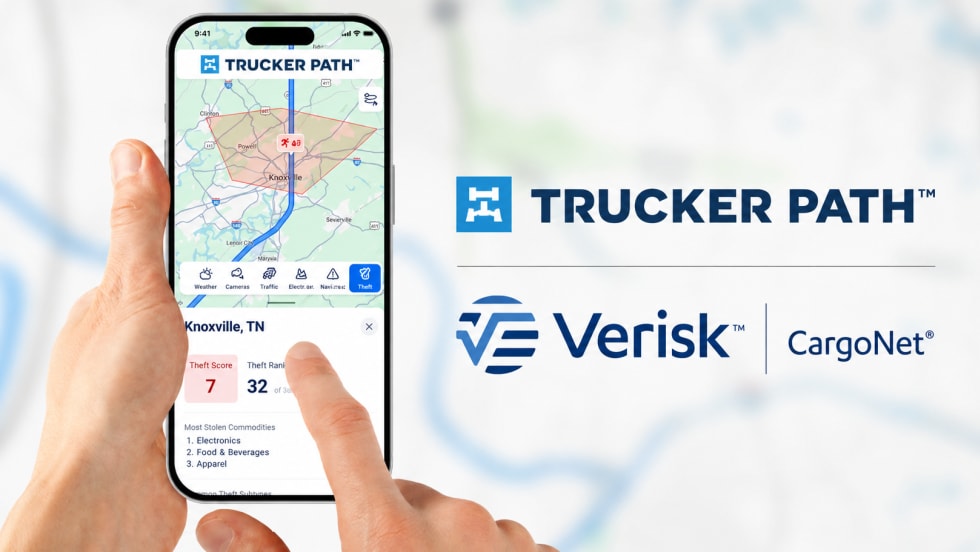
Trucker Path Adds Verisk CargoNet Theft Data to Navigation Platform
Trucker Path’s new cargo theft risk overlays give drivers and fleets visibility into high-risk areas, stolen commodity trends, and theft hotspots.
Read More →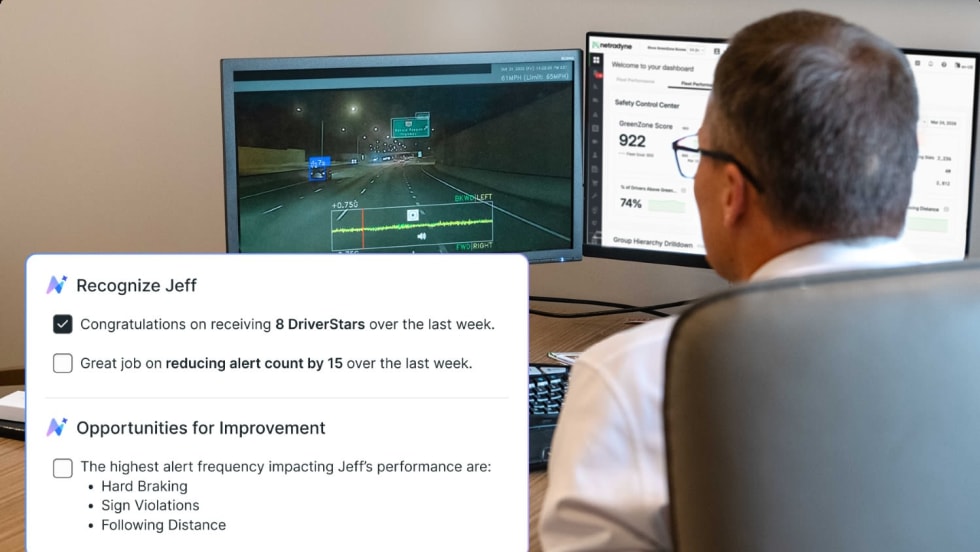
Netradyne Intelligence Uses New AI Agents to Automate Response to In-Cab Camera Data
The company called the next-generation in-cab camera safety platform "a fundamental shift from systems that report on what happened to systems that actively drive what should happen next."
Read More →
Why Truck Detention Keeps Costing Fleets Time and Money
A 2024 ATRI study found detention affects nearly 40% of truckload stops and costs the industry more than $15 billion annually. Despite the toll on drivers, fleets, and supply chains, the problem remains stubbornly persistent.
Read More →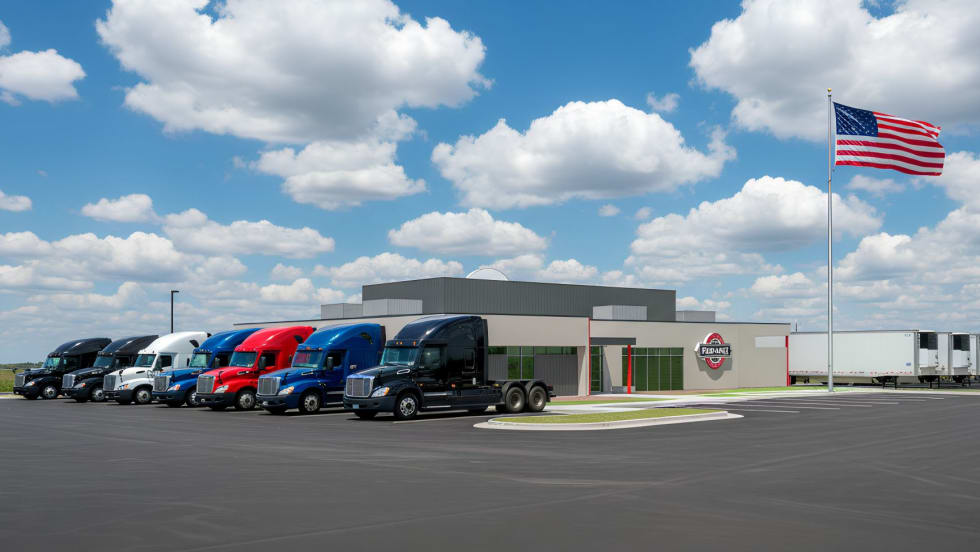
Prime Inc. to Open $7.9M Flagship Used-Truck Dealership
A new driver-focused facility to sell Prime Inc's used trucks and trailers will be the first purpose-built location in the company's history.
Read More →
Short Takes: Inside K&B’s Truck Safety Tech
Listen to learn how K&B Transportation uses cellphone-blocking technology, speed management systems, weather geofencing, bridge avoidance tools, and more to improve driver safety.
Read More →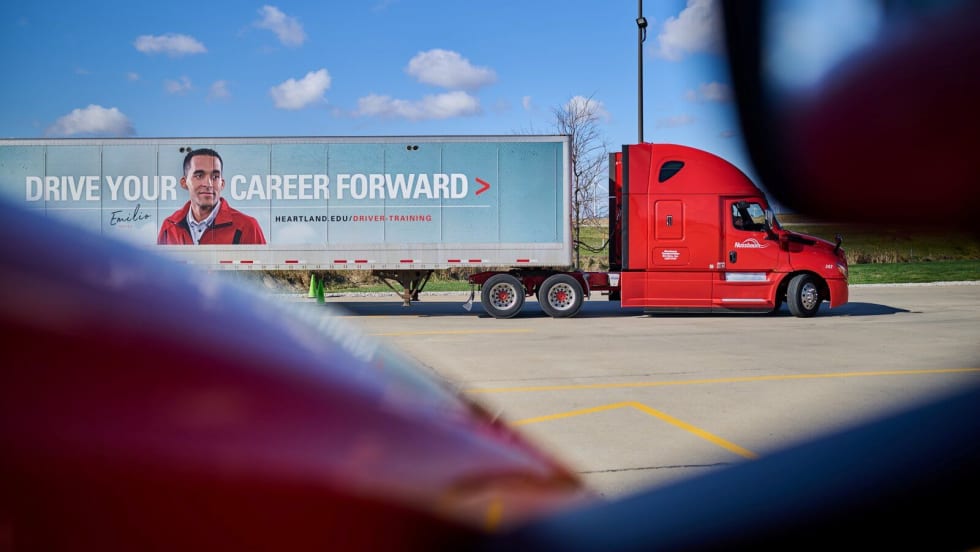
Nussbaum Expands Driver Compensation with Pay Raises, Profit Sharing
Nussbaum Transportation said its latest compensation package could push first-year driver earnings above $90,000 in key hiring markets.
Read More →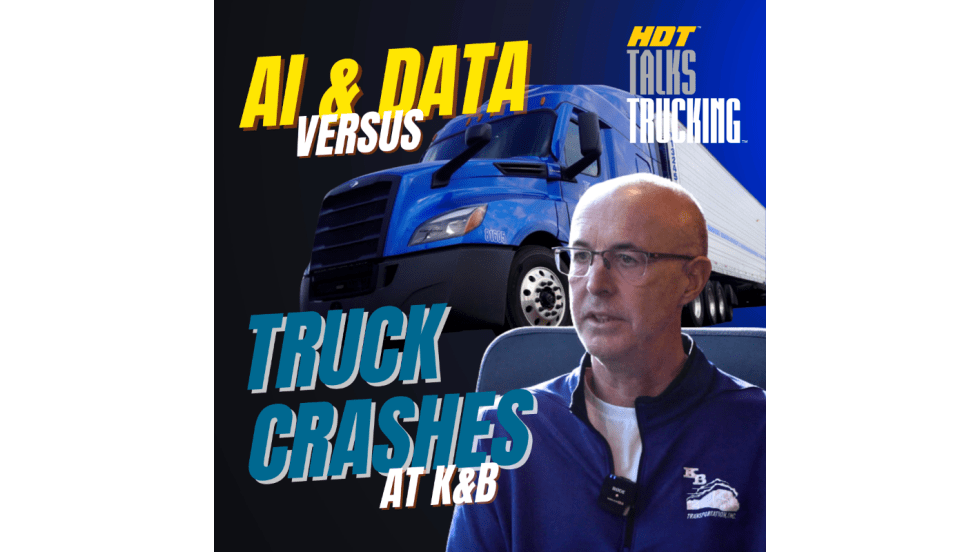
Listen: Inside Modern Fleet Safety: AI, Cameras & Speed Control at K&B Transportation
Fleet safety is evolving fast—and technology is at the center of it. Learn how a former commercial vehicle enforcement officer turned director of safety at K&B Transportation is embracing real-world safety technology.
Read More →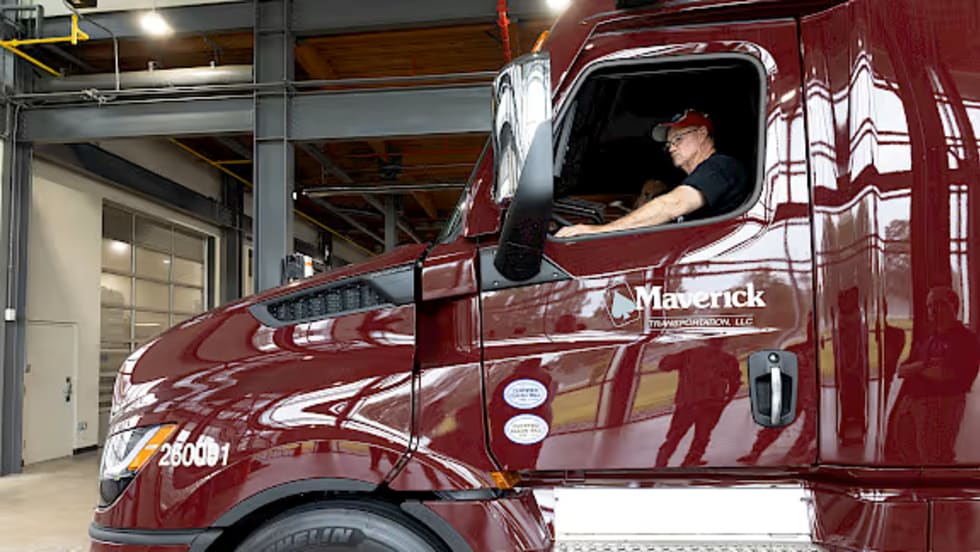
Maverick Announces 2026 Driver Pay Raises
New raises for Maverick Transportation drivers will take effect on May 31, 2026.
Read More →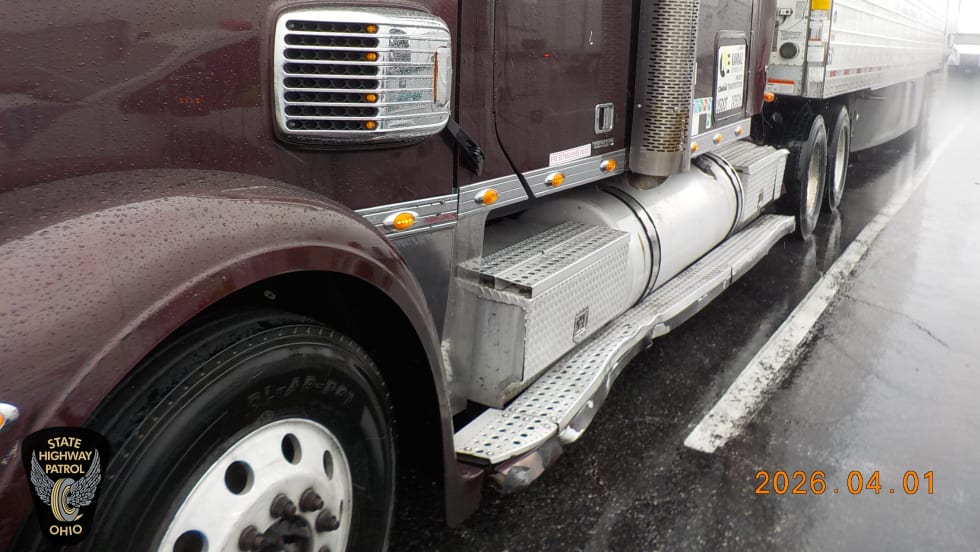
Illinois Trucker Indicted for Nearly $22,000 in Ohio Turnpike Toll Evasion
Authorities say an Illinois trucker avoided paying tolls for two years, and now faces felony charges, possible prison time, and forfeiture of his Freightliner tractor.
Read More →