




Final Hours of Service Hearing Under Way
The parade of more than 500 witnesses on hours of service reform is drawing to a close in Washington, D.C., today as the Federal Motor Carrier Safety Administration holds the eighth and final public hearing on the controversial proposal. Or maybe it won’t be the final hearing after all. Several witnesses at yesterday’s opening session asked the safety agency to schedule yet another hearing so that shippers could get their views into the record
The parade of more than 500 witnesses on hours of service reform is drawing to a close in Washington, D.C., today as the Federal Motor Carrier Safety Administration holds the eighth and final public hearing on the controversial proposal.
Or maybe it won’t be the final hearing after all. Several witnesses at yesterday’s opening session asked the safety agency to schedule yet another hearing so that shippers could get their views into the record.
Only now, almost three months into the comment period, are shippers beginning to get a sense of what the proposal will mean to them, said John Wade, logistics director, Wilson Sporting Goods.
The agency has not yet responded to that suggestion.
Actually, truckers, too, are still getting information together on the proposal. Most witnesses said they intended to use the full comment period – up until Oct. 30 – to gather and analyze data on how the proposal would affect safety and operations.
Henry Seaton, general counsel of the National Association of Small Trucking Companies, suggested that the agency support a pilot program to test the proposal. Meanwhile, the association is asking some of its members to test aspects of the proposed rule. In one two-week test of the scheduling requirements in the proposal, an association member experienced a 35% loss in productivity, Seaton said.
The general themes from trucking interests remained the same as they have throughout the hearings: The proposal may be well-meaning but it is too complicated, would harm rather than improve safety and is much too expensive.
American Trucking Associations President Walter McCormick reiterated ATA’s hard-line stance: The proposal should be withdrawn and replaced with a rule similar to one ATA has drafted, permitting 14 hours on duty.
McCormick repeated his call for a negotiated rulemaking to work out the details, but at least one organization that would be party to those negotiations remains adamantly opposed. Gerald Donaldson, research director for Advocates for Highway & Auto Safety, said he could not support the idea because he does not have the resources to match what ATA could bring to the negotiation. “We would not be able to come up with a consensus,” he said.
Most truckers remain opposed to the proposed onboard recorder requirement, but some accept the idea if not the details. Philip Warren, vice president of safety at Overnite Transportation, said the recorders will help with enforcement. He objected, however, to phasing in the recorders starting with the largest fleets. There should be a three-year phase-in for all long-haul and regional fleets, he said.
Greer Woodruff, corporate director of safety for J.B. Hunt Transport, suggested that the recorders be phased in by requiring the least safe carriers to get them first.
More Drivers

How Top Trucking Fleets Improve Driver Retention [Video]
What do healthy snacks, optimized routing, and just picking up the phone have in common? They're all strategies the Best Fleets to Drive For are using to retain truck drivers.
Read More →
Trucker Path Adds Verisk CargoNet Theft Data to Navigation Platform
Trucker Path’s new cargo theft risk overlays give drivers and fleets visibility into high-risk areas, stolen commodity trends, and theft hotspots.
Read More →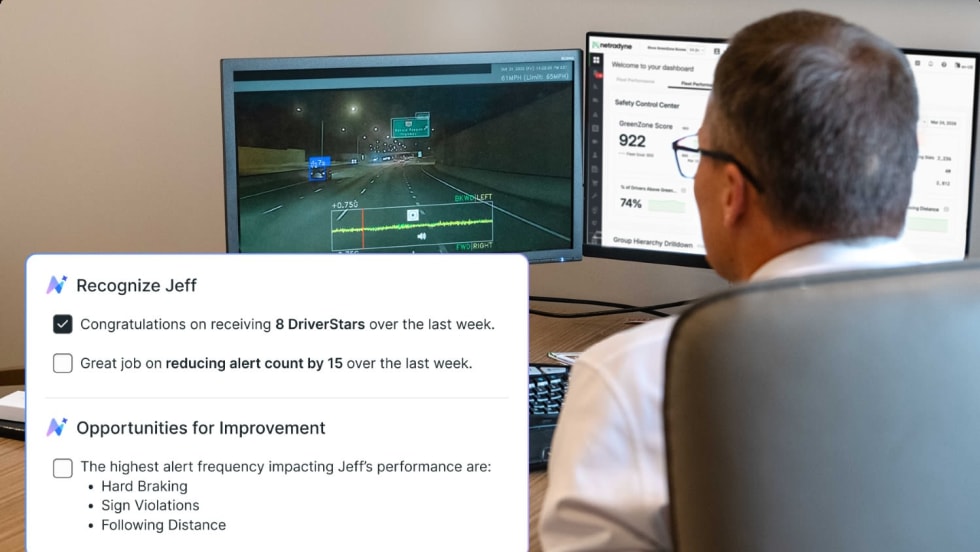
Netradyne Intelligence Uses New AI Agents to Automate Response to In-Cab Camera Data
The company called the next-generation in-cab camera safety platform "a fundamental shift from systems that report on what happened to systems that actively drive what should happen next."
Read More →
Why Truck Detention Keeps Costing Fleets Time and Money
A 2024 ATRI study found detention affects nearly 40% of truckload stops and costs the industry more than $15 billion annually. Despite the toll on drivers, fleets, and supply chains, the problem remains stubbornly persistent.
Read More →
Prime Inc. to Open $7.9M Flagship Used-Truck Dealership
A new driver-focused facility to sell Prime Inc's used trucks and trailers will be the first purpose-built location in the company's history.
Read More →
Short Takes: Inside K&B’s Truck Safety Tech
Listen to learn how K&B Transportation uses cellphone-blocking technology, speed management systems, weather geofencing, bridge avoidance tools, and more to improve driver safety.
Read More →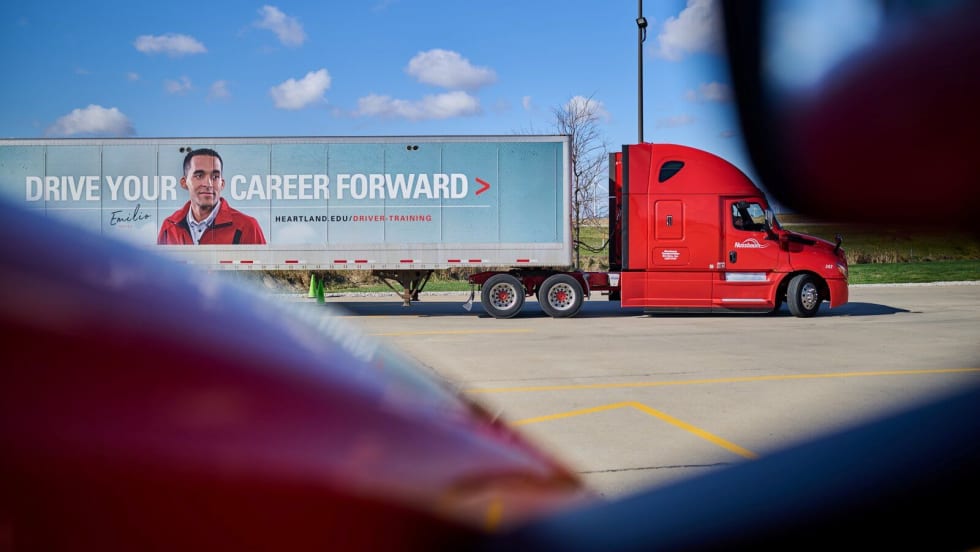
Nussbaum Expands Driver Compensation with Pay Raises, Profit Sharing
Nussbaum Transportation said its latest compensation package could push first-year driver earnings above $90,000 in key hiring markets.
Read More →
Listen: Inside Modern Fleet Safety: AI, Cameras & Speed Control at K&B Transportation
Fleet safety is evolving fast—and technology is at the center of it. Learn how a former commercial vehicle enforcement officer turned director of safety at K&B Transportation is embracing real-world safety technology.
Read More →
Maverick Announces 2026 Driver Pay Raises
New raises for Maverick Transportation drivers will take effect on May 31, 2026.
Read More →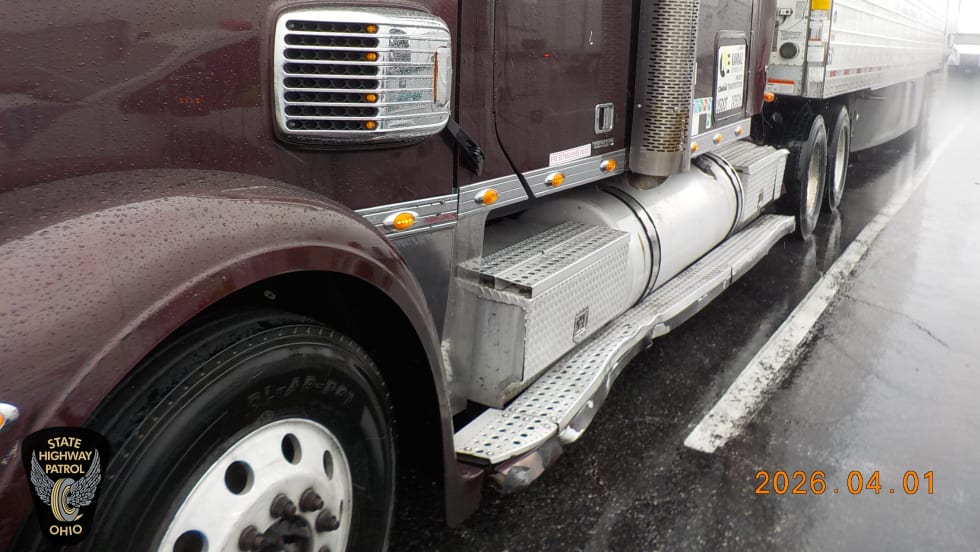
Illinois Trucker Indicted for Nearly $22,000 in Ohio Turnpike Toll Evasion
Authorities say an Illinois trucker avoided paying tolls for two years, and now faces felony charges, possible prison time, and forfeiture of his Freightliner tractor.
Read More →