




FHWA Releases Updated Rules For Traffic Control Devices
The Federal Highway Administration has released an updated version of the Manual on Uniform Traffic Control Devices, which sets the national standard for all traffic control devices, including traffic signs, pavement markings, signals and any other device

New requirements range from changes in highway signs and bike lanes to the color of high-visibility garments worn by road workers.
The Federal Highway Administration has released an updated version of the Manual on Uniform Traffic Control Devices, which sets the national standard for all traffic control devices, including traffic signs, pavement markings, signals and any other devices
used to regulate, warn or guide traffic. This is the first comprehensive update since 2003.
"Safety is this Department's top priority," said U.S. Transportation Secretary Ray LaHood. "These new and updated standards will help make our nation's roads and bridges safer for drivers, construction workers and pedestrians alike."
The manual is meant to create uniformity of traffic control devices across the nation, in order to reduce crashes and traffic congestion. The newest edition features many new and updated requirements, ranging from changes in highway signs and bike lanes to the color of high-visibility garments worn by road workers. While most changes were developed through research, seven changes come from recommendations from the National Transportation Safety Board, the largest number of NTSB recommendations adopted by the MUTCD at one time.
Some of the new provisions include:
* Replacing highway signs with brighter, larger and more legible ones that are easier to understand at freeway speeds. States will begin using the newer signs as existing ones wear out.
* Adding different lane markings for lanes that do not continue beyond an intersection or interchange to give drivers more warning that they need to move out of the lane if they don't intend to turn.
* Expanding the use of flashing yellow arrow signals at some intersections to give a clearer indication that drivers can turn left after yielding to any opposing traffic.
* Changing the formula used to calculate crosswalk times to give walkers more time.
* Identifying electronic toll collection lanes with purple signs.
* Adding overhead lane-use control signs to reduce confusion among drivers in unfamiliar multi-lane roadways.
For an overview of the new rules and recommendations, visit mutcd.fhwa.dot.gov.
More Drivers

Platform Science Adds Dispatch and Safety Tools
Four additions to PS Fleet help fleets monitor loads, manage driver coaching, share truck locations and adjust video system settings.
Read More →
When Language Stops the Truck: The Return of ELP Out-of-Service Orders
English language proficiency rules for commercial drivers aren’t new, but renewed out-of-service enforcement has raised the stakes. Here’s what carriers need to know before a driver reaches a roadside inspection.
Read More →
Samsara Launches Custom AI Agent Builder
Agent Studio lets fleets create AI tools for hours-of-service monitoring, reporting and driver support, including agents that communicate by phone.
Read More →
Trucker Path Expands Reserved Parking Network
Trucker Path has added close to 6,000 more truck parking spaces to its Trucker Path Reserved Parking Network with the addition of Safe Truck Parking.
Read More →
EEOC Sues Texas Trucking Company Over Driver Age Limits
The agency says Trancasa USA rejected applicants over 65 and applied tougher driving-record standards to those over 60.
Read More →
Nussbaum, Roehl Announce Second Driver Pay Increase This Year
This year has seen a swath of major truck driver pay increases as freight capacity has tightened.
Read More →
From One Generation to the Next: How Mentorship Builds Safer Truck Drivers
After three decades in trucking, Harold Perry shares what he's learned about driver safety, mentorship, and helping the next generation build confidence behind the wheel.
Read More →
Truck Drivers Need More Than Another Alert
Fleets have more visibility into truck health, safety events, and driver activity than ever. The next challenge is turning all that information into useful guidance for the person who has to decide what to do next.
Read More →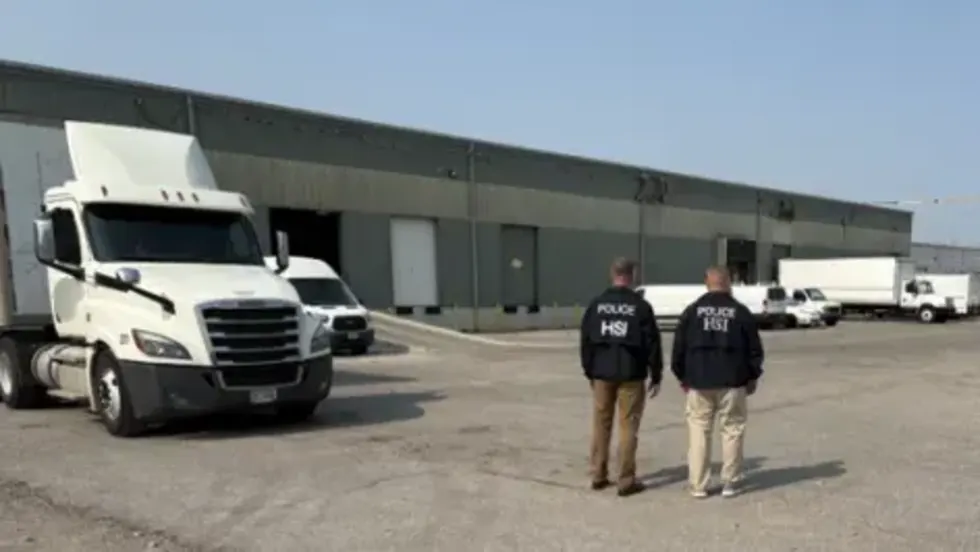
FMCSA Removes 110 Truck Driver Training Schools from Certified ELDT List
Federal regulators also are targeting more than 160 additional training providers and launching a nationwide audit of third-party CDL skills testers as part of a broader crackdown on trucking fraud.
Read More →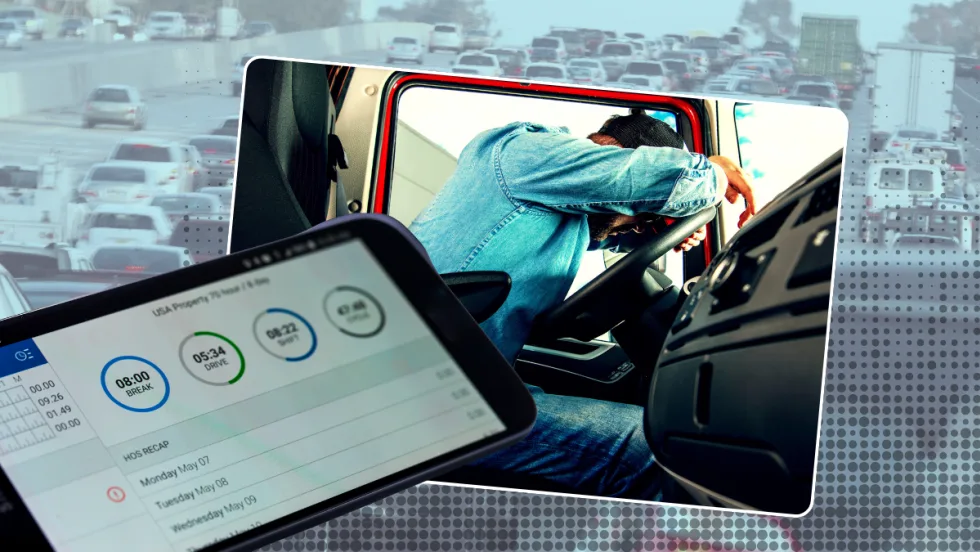
Hours of Service Pilot Programs: FMCSA Readies for 2027 Rollout
Two pilot programs could eventually reshape hours-of-service rules, giving truck drivers options to pause their 14-hour clock or use longer split sleeper rest periods.
Read More →