




FHWA Releases Report on Truck Parking Shortage
The Federal Highway Administration released its long-awaited report on truck parking, concluding that while there was a parking shortage in 12 states, nationwide, truck parking is “more than adequate.
The Federal Highway Administration released its long-awaited report on truck parking, concluding that while there was a parking shortage in 12 states, nationwide, truck parking is “more than adequate.”
The study included a state-by-state breakdown of commercial and public rest areas. Based on that combination, the study showed a sufficient supply in eight states, a surplus in 29 states and a shortage in 12. Shortages at commercial truckstops and travel plazas were far less common and largely offset public shortages in 35 states.
The study said that public rest areas along the National Highway System were never intended and will never be sufficient to accommodate truck-parking demand. Instead, the commercial truckstop and travel plaza industry, state highway agencies, and turnpike authorities should and will continue to be principal suppliers of parking facilities, it said.
The report found that parking shortages occur regionally or locally, along specific freight corridors. Most drivers – 77% -- prefer to take their rest stops at commercial facilities, but the choice has a lot to do with what the driver needs at any given moment. Drivers prize public rest areas for their easy access, and truckstops for their amenities.
Even though the number of parking spaces overall might be enough, according to the study, the type of spaces available doesn’t match demand: 90% of parking spaces are in truckstops and travel plazas, while 10% are in public rest areas. Yet 23% of the demand is for public parking spaces. Half of the drivers who filled out the study’s survey said that parking is rarely or almost never available at public areas, while 15% said the same about private areas.
The study, which was mandated by the Transportation Equity Act for the 21st Century (TEA-21), included a nationwide estimate of peak hour demand for commercial truck parking facilities at public rest areas and commercial truck stops and travel plazas.
Truckstop organization NATSO says the findings directly support its longstanding position that there is not a big truck parking problem.
"We are gratified that this federal study has discredited the myth that this country suffers from a nationwide parking shortage," said Scot Imus, NATSO vice president of government affairs. "This comprehensive report validates our position that shortages exist only in isolated parts of the country where the private sector has been prevented from meeting the needs of its customers."
NATSO also notes that the report found over 20 percent of drivers used other locations (loading docks, truck terminals, etc.) for rest other than rest areas and truckstops.
Because there are problems in some areas of the country, however, the study reports that individual states have drafted plans for addressing truck parking shortages. Recommendations for states fell into six broad categories:
expand or improve public rest areas;
expand or improve commercial truck stops and travel plazas;
encourage the formation of public-private partnerships;
educate or inform drivers about available spaces;
change parking enforcement rules; and
conduct additional studies.
The study calls on the highway administration to encourage federal funding for improving access to truck stops and travel plazas. It also suggests a number of initiatives for the upcoming federal highway funding bill, including low-interest loans, using federal funds to build auxiliary public parking lots at private truck stops, and prohibiting states from enforcing time restrictions at public rest areas.
The American Trucking Associations said it supports the DOT's recommendations to solve this problem, including direct and indirect federal funding for truck parking facilities and the possible commercialization or privatization of public rest areas.
“Common sense safety practices lead us to strongly support the recommendation to prohibit states from engaging in the absurd practice of forcing truck drivers out of public rest areas,” says ATA President William Canary, “especially when they would be in violation of Federal hours-of-service regulations. We also agree with the proposal to establish minimum standards for truckstops to assure an acceptable level of safety and security for both truck drivers and their cargo.”
You can view the complete report at http://safety.fhwa.dot.gov/repctoc.htm.
More Drivers
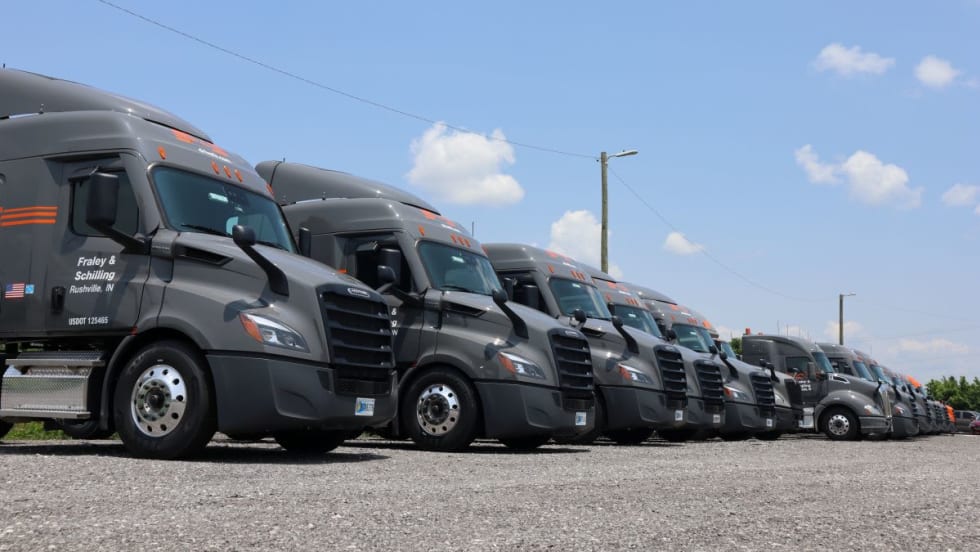
How Fraley & Schilling Improved Logbook Compliance by Over 50%
Fraley & Schilling needed a way to close a compliance workflow gap in its ELD system without adding more work from driver training, reminders, and back-office follow-ups. It found the answer in a custom driver app.
Read More →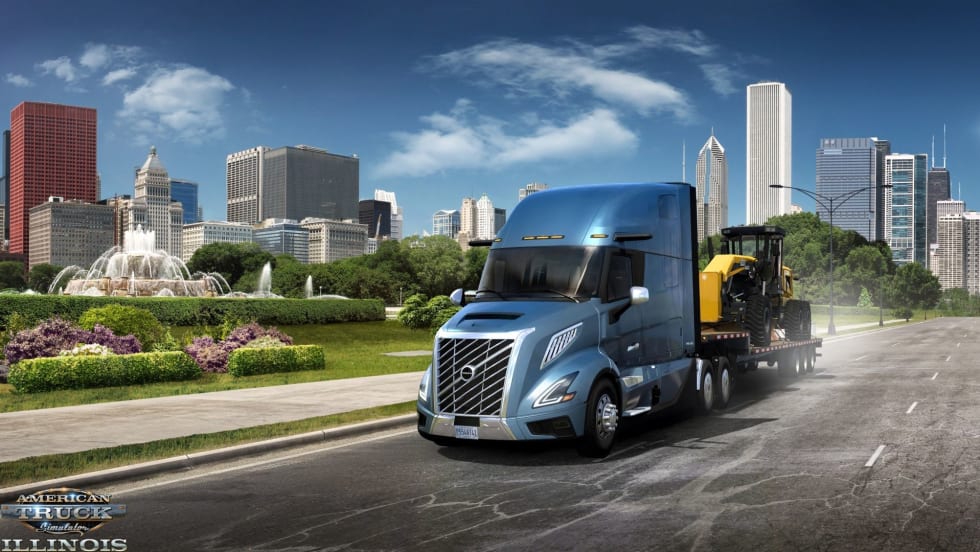
Volvo Goes Gaming
Volvo has roared into American Truck Simulator with two new flagship trucks.
Read More →
What the Best Fleets to Drive For Teach About Driver Retention
Survey fatigue, AI-powered routing, owner-operator expectations, and the decline of social media all emerged as themes from this year's Best Fleets to Drive For program.
Read More →
Driver Retention Lessons From the Best Fleets to Drive For
What separates trucking's best workplaces from the rest? Jane Jazrawy shares the biggest lessons from this year's Best Fleets to Drive For program on driver retention, communication, AI, and workforce trends on the HDT Talks Trucking podcast.
Read More →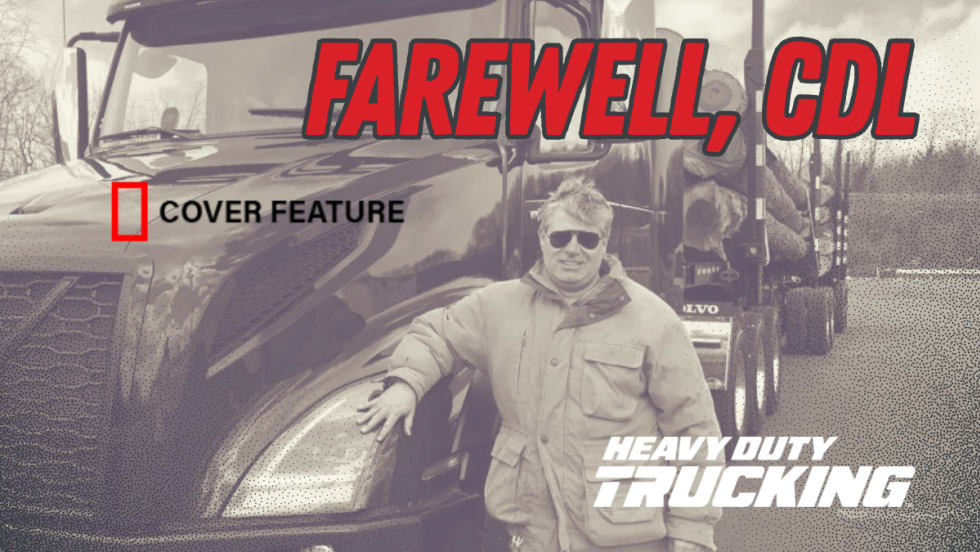
Farewell, CDL: Why I'm Giving Up My Commercial Driver's License
After more than 20 years as a CDL holder, HDT Executive Editor Jack Roberts is letting his commercial license expire. Not because he wants to — but because trucking's nuclear verdict crisis has made the risks of public-road test drives too great for editors, manufacturers, and everyone involved.
Read More →
How Top Trucking Fleets Improve Driver Retention [Video]
What do healthy snacks, optimized routing, and just picking up the phone have in common? They're all strategies the Best Fleets to Drive For are using to retain truck drivers.
Read More →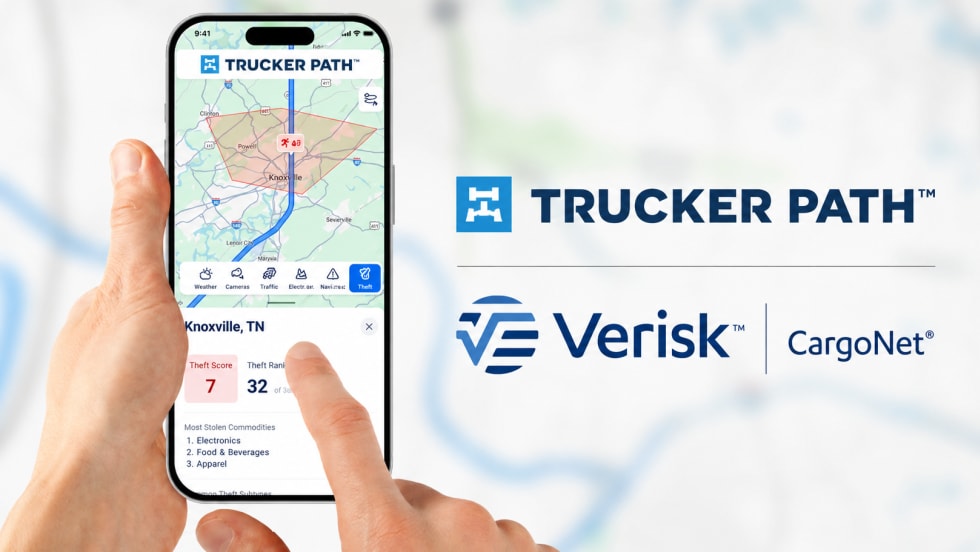
Trucker Path Adds Verisk CargoNet Theft Data to Navigation Platform
Trucker Path’s new cargo theft risk overlays give drivers and fleets visibility into high-risk areas, stolen commodity trends, and theft hotspots.
Read More →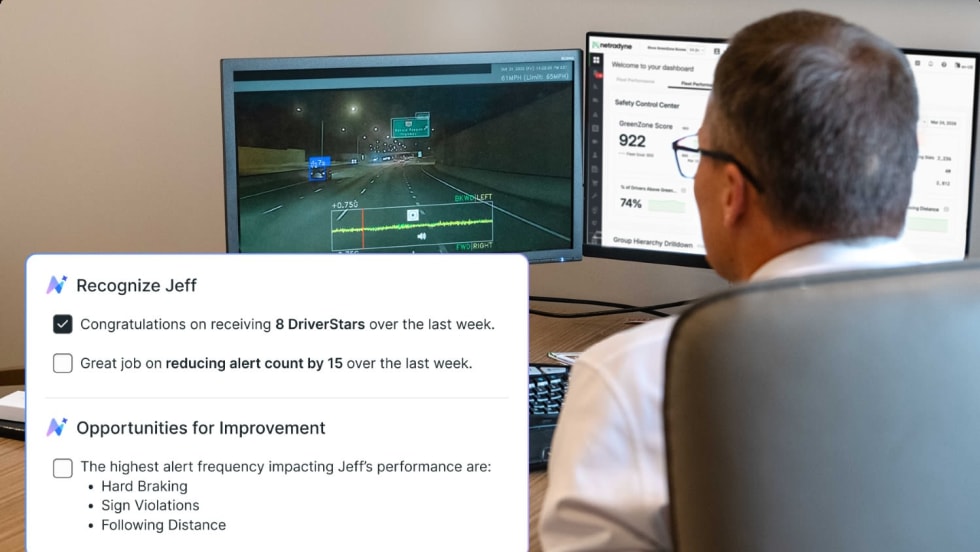
Netradyne Intelligence Uses New AI Agents to Automate Response to In-Cab Camera Data
The company called the next-generation in-cab camera safety platform "a fundamental shift from systems that report on what happened to systems that actively drive what should happen next."
Read More →
Why Truck Detention Keeps Costing Fleets Time and Money
A 2024 ATRI study found detention affects nearly 40% of truckload stops and costs the industry more than $15 billion annually. Despite the toll on drivers, fleets, and supply chains, the problem remains stubbornly persistent.
Read More →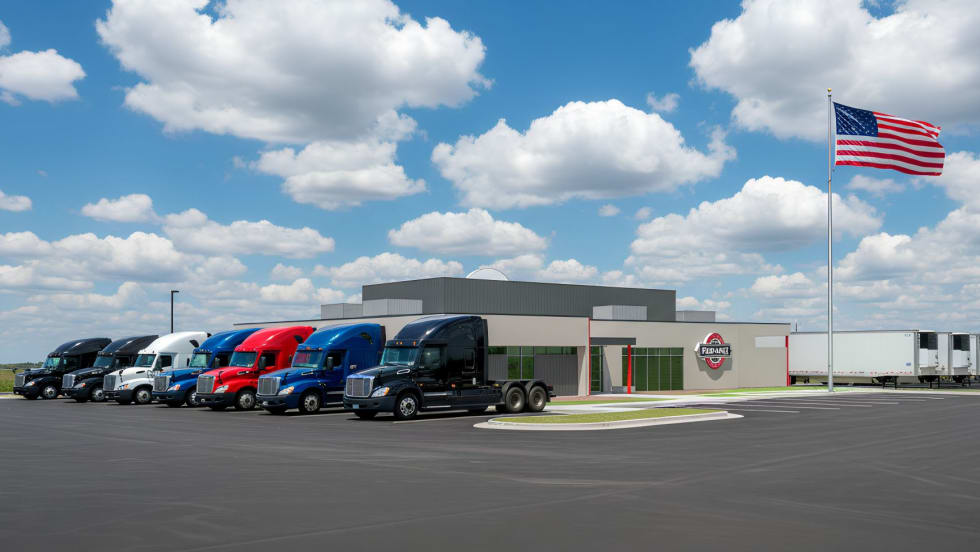
Prime Inc. to Open $7.9M Flagship Used-Truck Dealership
A new driver-focused facility to sell Prime Inc's used trucks and trailers will be the first purpose-built location in the company's history.
Read More →