




Feds Push Plans To Boost Fuel Efficiency In Heavy Trucks
The U.S. government, Detroit automakers and truck manufacturers are expanding a partnership to jump-start a new generation of more fuel-efficient heavy trucks and buses
The U.S. government, Detroit automakers and truck manufacturers are expanding a partnership to jump-start a new generation of more fuel-efficient heavy trucks and buses,
according to a story in the Detroit News.
U.S. Energy Secretary Spencer Abraham was expected to detail plans for the enhanced project at the start of a two-day conference on personal transportation Tuesday in Dearborn, Mich.
The revamped partnership will focus in part on developing new engines that use alternative fuels and heavy-duty trucks that use gasoline-electric powertrains, minimizing or eliminating engine idling, and reducing the loss of energy from aerodynamic drag.
The program will also explore ways to improve the safety and security of heavy-duty trucks.
The truck initiative -- dubbed the "New Vision for the 21st Century Truck Partnership" -- is modeled after FreedomCAR, the Bush administration's automotive research program aimed at commercializing fuel cells to boost the fuel economy of cars and light trucks.
Goals of the 21st Century Truck Partnership include:
-- Establish new research, development priorities to develop more fuel efficient, affordable heavy trucks and buses.
-- Develop combustion engines that use new types of renewable fuels.
-- Move forward on development of heavy trucks that use gas-electric hybrid power trains.
-- Improve the safety of heavy-duty vehicles.
-- Develop technologies to reduce engine idling.
-- Reduce energy losses from aerodynamic drag and from rolling resistance of tires.
Rather than setting new fuel economy targets, the 21st Century Truck Partnership will focus on more incremental improvements on fuel economy, pollution levels and safety advances, according to those familiar with the program. Specific benchmarks will be set as research work goes forward. Besides the Department of Energy, the partnership includes the Defense and Transportation departments and Environmental Protection Agency.
Private sector partners include General Motors Corp., DaimlerChrysler AG, Allison Transmission and engine manufacturers Detroit Diesel Corp., Caterpillar Inc. and Cummins Inc.
Other members include Mack Truck, Volvo Truck, Freightliner LLC, Honeywell, Eaton, BAE Systems, Nova BUS, Oshkosh and Paccar Inc.
The group intends to help the industry focus on promising technologies, build on each other's research and spotlight the role trucks can play in reducing oil consumption and air pollution.
The effort is also expected to pay dividends for the trucking industry by accelerating the introduction of new safety advances, such as collision avoidance and rollover prevention devices.
According to Jason Mark, director of the clean vehicles program at the Union of Concerned Scientists, heavy trucks and buses are a major source of oil consumption and air pollution. They represent about 2% of all vehicles on United States roads, but account for two-thirds of all soot pollution and about 30% of all smog-forming pollution from highway vehicles, Mark said.
The same vehicles consume roughly 2.3 million barrels of oil a day -- about the same amount of oil imported from the Persian Gulf, Mark said.
Mark, author of "Rolling Smokestacks," a report on truck emissions, said the loss of the program's initial ambitious fuel economy goals might lessen its impact.
"The challenge for a research and development program is getting technologies out of the laboratory and onto the road," Mark said. "Painting a picture of what a 21st Century truck should look like is a great incentive for getting it out on the road."
More Drivers
How Top Trucking Fleets Improve Driver Retention [Video]
What do healthy snacks, optimized routing, and just picking up the phone have in common? They're all strategies the Best Fleets to Drive For are using to retain truck drivers.
Read More →
Trucker Path Adds Verisk CargoNet Theft Data to Navigation Platform
Trucker Path’s new cargo theft risk overlays give drivers and fleets visibility into high-risk areas, stolen commodity trends, and theft hotspots.
Read More →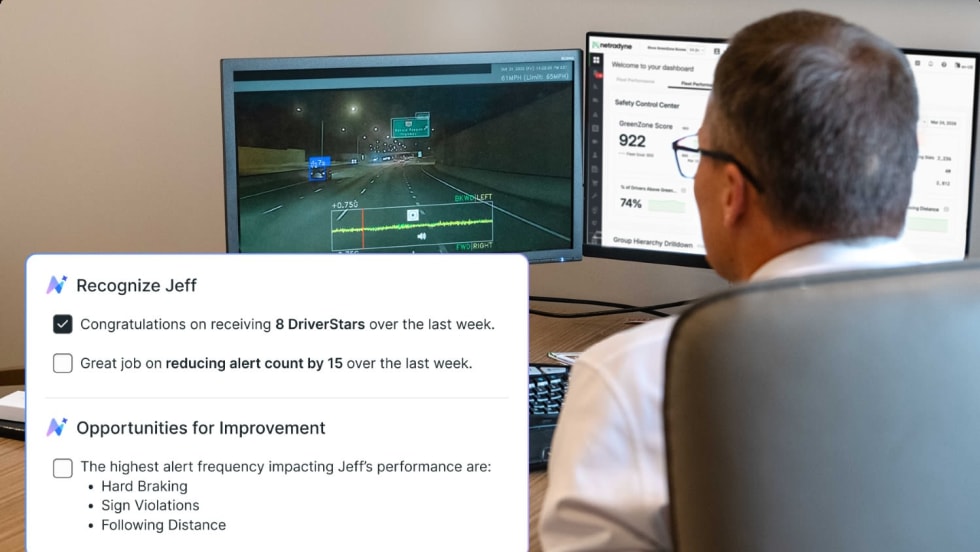
Netradyne Intelligence Uses New AI Agents to Automate Response to In-Cab Camera Data
The company called the next-generation in-cab camera safety platform "a fundamental shift from systems that report on what happened to systems that actively drive what should happen next."
Read More →
Why Truck Detention Keeps Costing Fleets Time and Money
A 2024 ATRI study found detention affects nearly 40% of truckload stops and costs the industry more than $15 billion annually. Despite the toll on drivers, fleets, and supply chains, the problem remains stubbornly persistent.
Read More →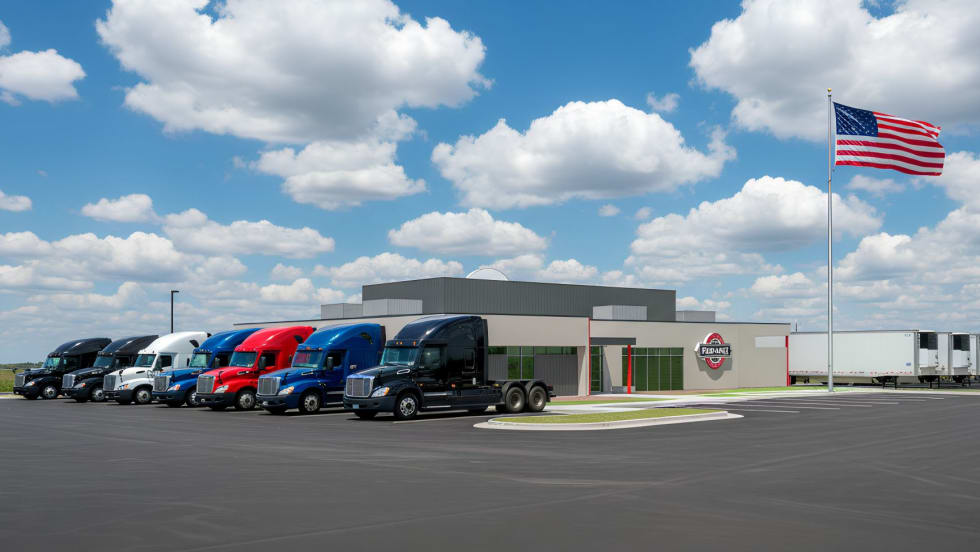
Prime Inc. to Open $7.9M Flagship Used-Truck Dealership
A new driver-focused facility to sell Prime Inc's used trucks and trailers will be the first purpose-built location in the company's history.
Read More →
Short Takes: Inside K&B’s Truck Safety Tech
Listen to learn how K&B Transportation uses cellphone-blocking technology, speed management systems, weather geofencing, bridge avoidance tools, and more to improve driver safety.
Read More →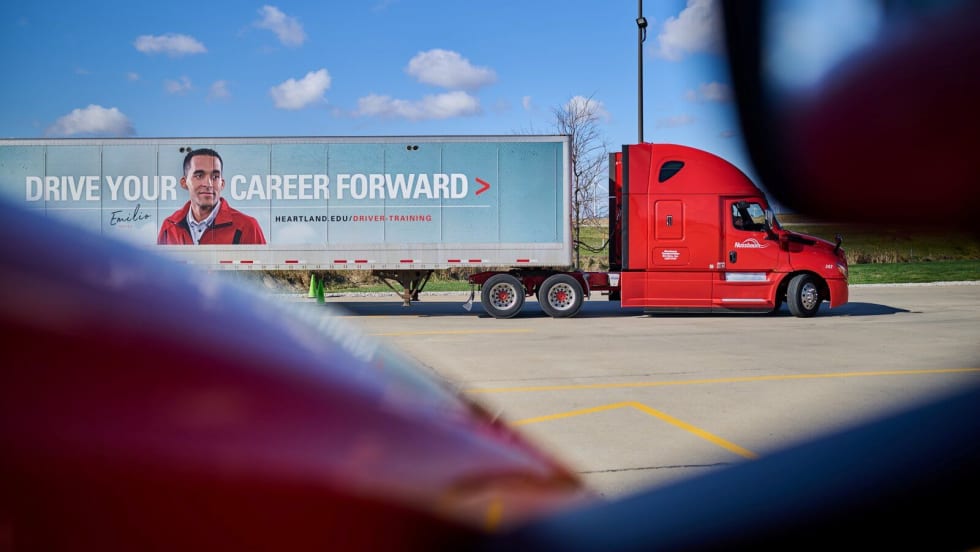
Nussbaum Expands Driver Compensation with Pay Raises, Profit Sharing
Nussbaum Transportation said its latest compensation package could push first-year driver earnings above $90,000 in key hiring markets.
Read More →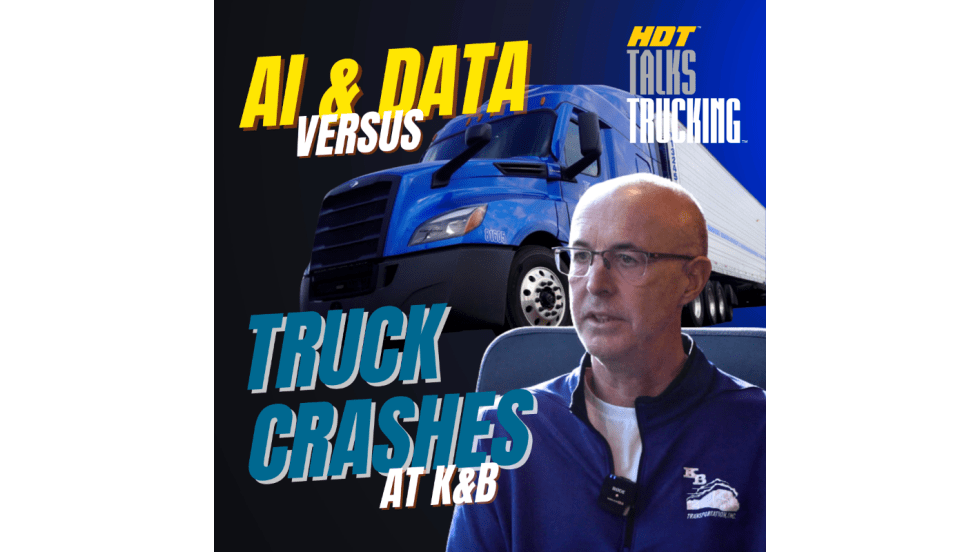
Listen: Inside Modern Fleet Safety: AI, Cameras & Speed Control at K&B Transportation
Fleet safety is evolving fast—and technology is at the center of it. Learn how a former commercial vehicle enforcement officer turned director of safety at K&B Transportation is embracing real-world safety technology.
Read More →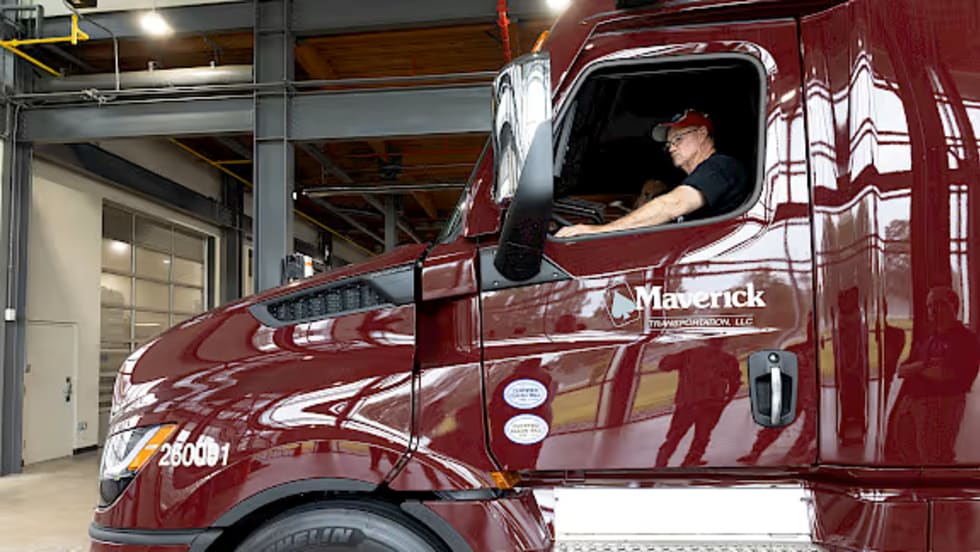
Maverick Announces 2026 Driver Pay Raises
New raises for Maverick Transportation drivers will take effect on May 31, 2026.
Read More →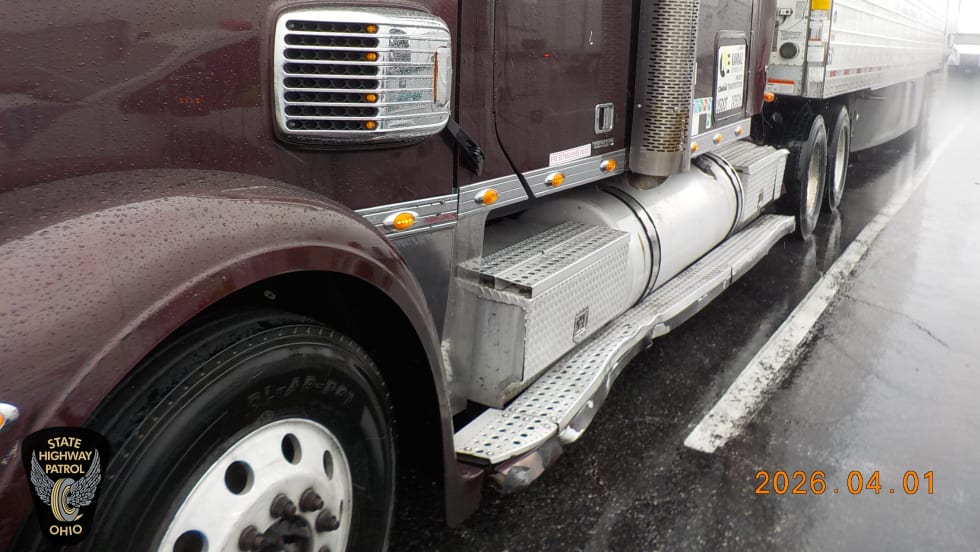
Illinois Trucker Indicted for Nearly $22,000 in Ohio Turnpike Toll Evasion
Authorities say an Illinois trucker avoided paying tolls for two years, and now faces felony charges, possible prison time, and forfeiture of his Freightliner tractor.
Read More →