




FDA Proposes New Rules for Transporting Food
The U.S. Food and Drug Administration will officially propose a rule that would require certain shippers, receivers, and carriers who transport food by motor or rail vehicles to take steps to prevent the contamination of human and animal food during transportation.
The U.S. Food and Drug Administration will officially propose a rule that would require certain shippers, receivers, and carriers who transport food by motor or rail vehicles to take steps to prevent the contamination of human and animal food during transportation.
Part of the implementation of the Sanitary Food Transportation Act of 2005, the proposal marks the seventh and final major rule in the FDA Food Safety Modernization Act’s central framework aimed at systematically building preventive measures across the food system.
It is set to be published in the Federal Register on Feb. 5. and will be open for public comment through May 31. A preview of the regulation is available online.
“This proposed rule will help reduce the likelihood of conditions during transportation that can lead to human or animal illness or injury,” said Michael R. Taylor, the FDA’s deputy commissioner for foods and veterinary medicine. “We are now one step closer to fully implementing the comprehensive regulatory framework for prevention that will strengthen the FDA’s inspection and compliance tools, modernize oversight of the nation’s food safety system, and prevent foodborne illnesses before they happen.”
The proposed regulation would establish criteria for sanitary transportation practices, such as properly refrigerating food, adequately cleaning vehicles between loads, and properly protecting food during transportation.
The proposed rule would apply to shippers, carriers, and receivers who transport food that will be consumed or distributed in the United States and is intended to ensure that persons engaged in the transportation of food that is at the greatest risk for contamination during transportation follow appropriate sanitary transportation practices. For example, the proposed rule would require that shippers inspect a vehicle for cleanliness prior to loading food that is not completely enclosed by its container, such as fresh produce in vented boxes, onto the vehicle.
It would also apply to international shippers who transport food for U.S. consumption or distribution in an international freight container by air or by oceangoing vessel and arrange for the transfer of the intact container onto a motor vehicle or rail vehicle in the United States.
The proposed rule would not cover shippers, receivers, or carriers engaged in food transportation operations that have less than $500,000 in total annual sales. In addition, the requirements in the proposed rule would not apply to the transportation of fully packaged shelf-stable foods, live food animals, and raw agricultural commodities when transported by farms.
The requirements would also not apply to shippers, receivers, or carriers who are engaged in transportation operations of food that is transshipped through the United States to another country, nor to food that is imported for future export and that is neither consumed nor distributed in the United States.
The FDA is proposing staggered implementation dates for the proposed rule based on business size, ranging from one to two years after publication of the final rule.
The administration will discuss the proposed rule at three upcoming public meetings: Feb. 27, in Chicago; March 13, in Anaheim, Calif. and March 20, 2014 in College Park, Md.
A fact sheet has been issued by the FDA about the proposed regulation and there is more information about the Food Safety Modernization Act on the agency’s website.
More Drivers
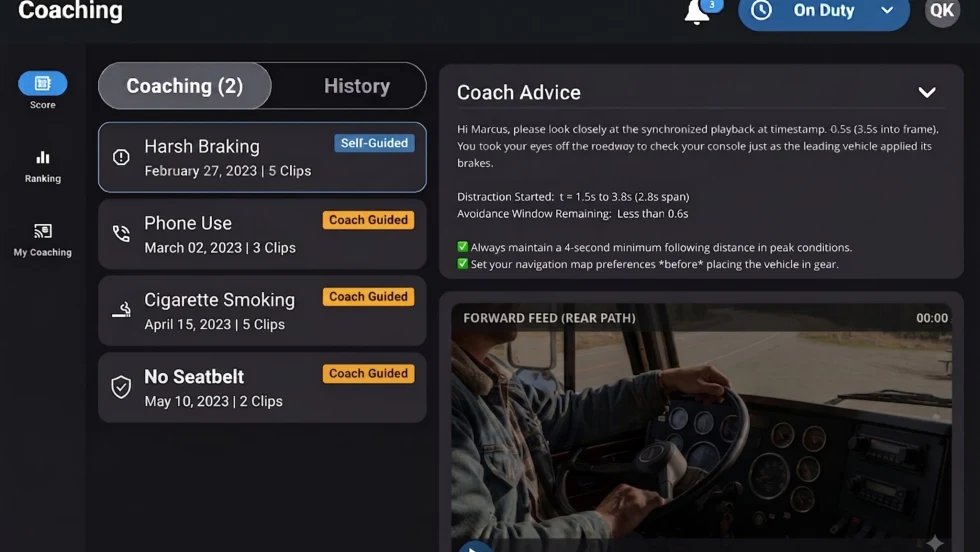
Platform Science Adds Dispatch and Safety Tools
Four additions to PS Fleet help fleets monitor loads, manage driver coaching, share truck locations and adjust video system settings.
Read More →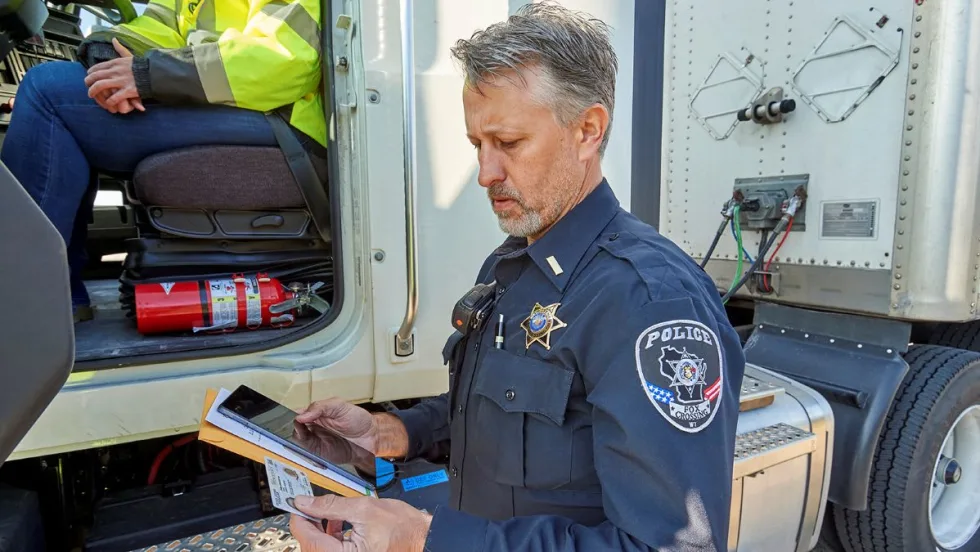
When Language Stops the Truck: The Return of ELP Out-of-Service Orders
English language proficiency rules for commercial drivers aren’t new, but renewed out-of-service enforcement has raised the stakes. Here’s what carriers need to know before a driver reaches a roadside inspection.
Read More →
Samsara Launches Custom AI Agent Builder
Agent Studio lets fleets create AI tools for hours-of-service monitoring, reporting and driver support, including agents that communicate by phone.
Read More →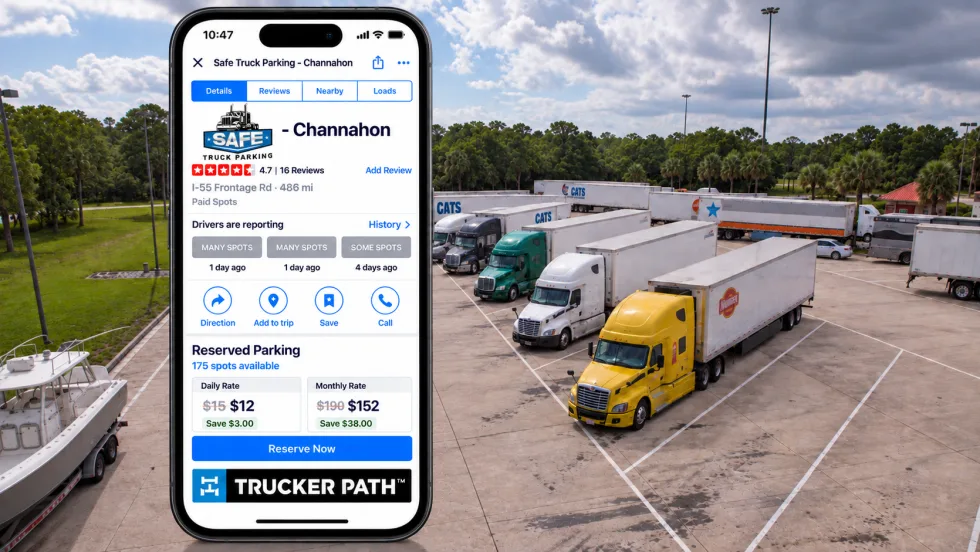
Trucker Path Expands Reserved Parking Network
Trucker Path has added close to 6,000 more truck parking spaces to its Trucker Path Reserved Parking Network with the addition of Safe Truck Parking.
Read More →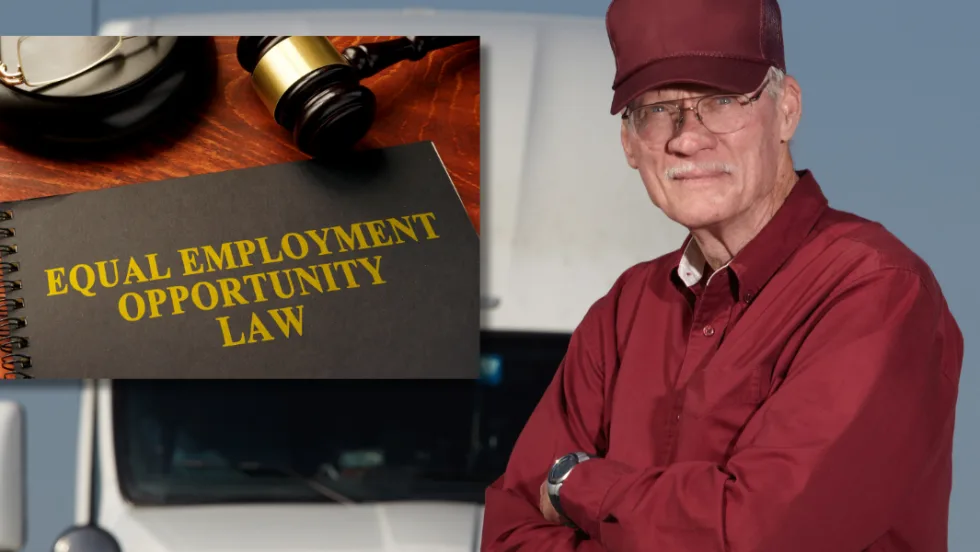
EEOC Sues Texas Trucking Company Over Driver Age Limits
The agency says Trancasa USA rejected applicants over 65 and applied tougher driving-record standards to those over 60.
Read More →
Nussbaum, Roehl Announce Second Driver Pay Increase This Year
This year has seen a swath of major truck driver pay increases as freight capacity has tightened.
Read More →
From One Generation to the Next: How Mentorship Builds Safer Truck Drivers
After three decades in trucking, Harold Perry shares what he's learned about driver safety, mentorship, and helping the next generation build confidence behind the wheel.
Read More →
Truck Drivers Need More Than Another Alert
Fleets have more visibility into truck health, safety events, and driver activity than ever. The next challenge is turning all that information into useful guidance for the person who has to decide what to do next.
Read More →
FMCSA Removes 110 Truck Driver Training Schools from Certified ELDT List
Federal regulators also are targeting more than 160 additional training providers and launching a nationwide audit of third-party CDL skills testers as part of a broader crackdown on trucking fraud.
Read More →
Hours of Service Pilot Programs: FMCSA Readies for 2027 Rollout
Two pilot programs could eventually reshape hours-of-service rules, giving truck drivers options to pause their 14-hour clock or use longer split sleeper rest periods.
Read More →