




EPA Offers "No Exposure" Stormwater Runoff Permit Exclusion
Starting Feb. 7, trucking companies subject to federal storm water runoff permit rules may be able to get an exclusion
Starting Feb. 7, trucking companies subject to federal storm water runoff permit rules may be able to get an exclusion.
In Phase II rules for the National Pollutant Discharge Elimination System, aimed primarily at small municipal storm water systems and construction sites, the U.S. Environmental Protection Agency introduced a “no exposure” exclusion available to any industrial category (except construction) included in existing storm water regulations.
To qualify, a company must complete and submit a form every five years certifying that none of the following activities or materials are exposed to precipitation:
1. Using, storing, or cleaning industrial machinery or equipment. This includes areas where residuals from those activities remain and are exposed to storm water.
2. Materials or residuals on the ground or in storm water inlets from spills/leaks.
3. Materials or products from past industrial activity.
4. Materials handling equipment (except adequately maintained vehicles, see below).
5. Materials or products during loading/unloading or transporting activities.
6. Materials or products stored outdoors (except final products intended for outside use where exposure to storm water does not result in the discharge of pollutants.)
7. Materials contained in open, deteriorated or leaking storage drums, barrels, tanks and similar containers.
8. Materials or products handled/stored on roads or railways owned or maintained by the discharger.
9. Waste material (except waste in covered, non-leaking containers such as dumpsters).
10. Application or disposal of process wastewater unless otherwise permitted.
11. Particulate matter or visible deposits of residuals from roof stacks and/or vents not otherwise regulated (such as under an air quality control permit) and evident in storm water outflow.
“No exposure” means that all industrial materials or activities are protected by a storm-resistant shelter to prevent exposure to rain, snow, snowmelt and/or runoff. Some temporary shelters, such as tarps, may be permitted, but that and other non-specified conditions will be evaluated by local NPDES authorities on a case-by-case basis.
The agency did note that “adequately maintained vehicles such as trucks, automobiles, forklifts or other such general purpose vehicles at the industrial site that are not industrial machinery, and that are not leaking contaminants or are not otherwise a source of industrial pollutants, could be exposed to precipitation or runoff. Such activities alone does not prevent a discharge from being able to certify no exposure under this provision.
"Similarly, trucks or other vehicle awaiting maintenance at vehicle maintenance facilities, ...that are not leaking contaminants are or are not otherwise a source of industrial pollutants, are not considered exposed.”
More information, including a copy of the certification form, can be found at www.epa.gov/owm/sw/phase2.
More Drivers

Competition Heating Up for Truck Drivers
New report reveals rising driver hiring costs, the return of sign-on bonuses, growing AI advantages, and the operational factors shaping driver retention.
Read More →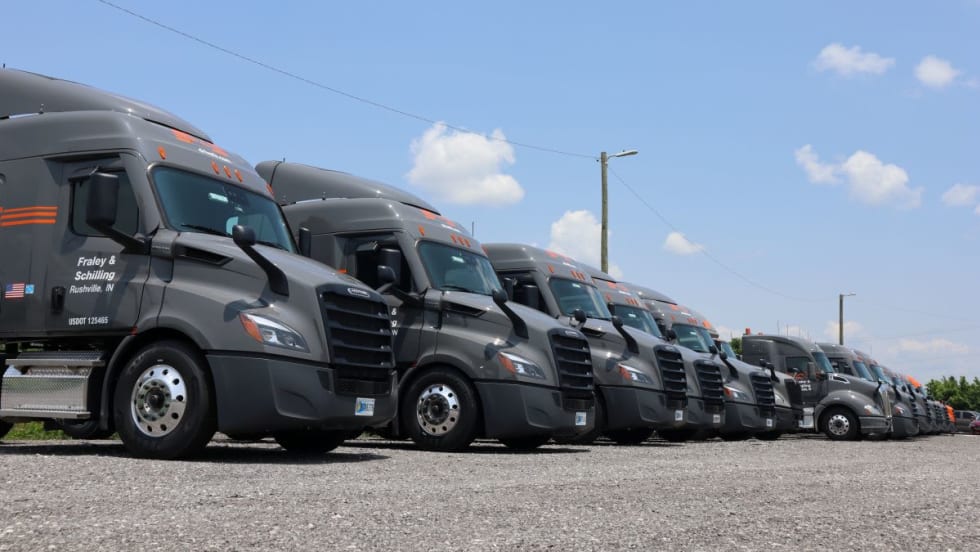
How Fraley & Schilling Improved Logbook Compliance by Over 50%
Fraley & Schilling needed a way to close a compliance workflow gap in its ELD system without adding more work from driver training, reminders, and back-office follow-ups. It found the answer in a custom driver app.
Read More →
Volvo Goes Gaming
Volvo has roared into American Truck Simulator with two new flagship trucks.
Read More →
What the Best Fleets to Drive For Teach About Driver Retention
Survey fatigue, AI-powered routing, owner-operator expectations, and the decline of social media all emerged as themes from this year's Best Fleets to Drive For program.
Read More →
Driver Retention Lessons From the Best Fleets to Drive For
What separates trucking's best workplaces from the rest? Jane Jazrawy shares the biggest lessons from this year's Best Fleets to Drive For program on driver retention, communication, AI, and workforce trends on the HDT Talks Trucking podcast.
Read More →
Farewell, CDL: Why I'm Giving Up My Commercial Driver's License
After more than 20 years as a CDL holder, HDT Executive Editor Jack Roberts is letting his commercial license expire. Not because he wants to — but because trucking's nuclear verdict crisis has made the risks of public-road test drives too great for editors, manufacturers, and everyone involved.
Read More →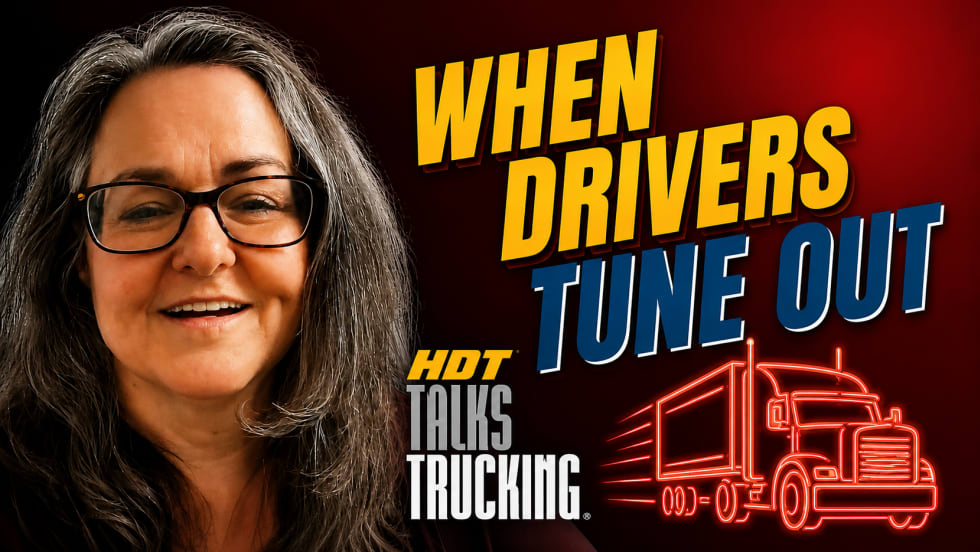
How Top Trucking Fleets Improve Driver Retention [Video]
What do healthy snacks, optimized routing, and just picking up the phone have in common? They're all strategies the Best Fleets to Drive For are using to retain truck drivers.
Read More →
Trucker Path Adds Verisk CargoNet Theft Data to Navigation Platform
Trucker Path’s new cargo theft risk overlays give drivers and fleets visibility into high-risk areas, stolen commodity trends, and theft hotspots.
Read More →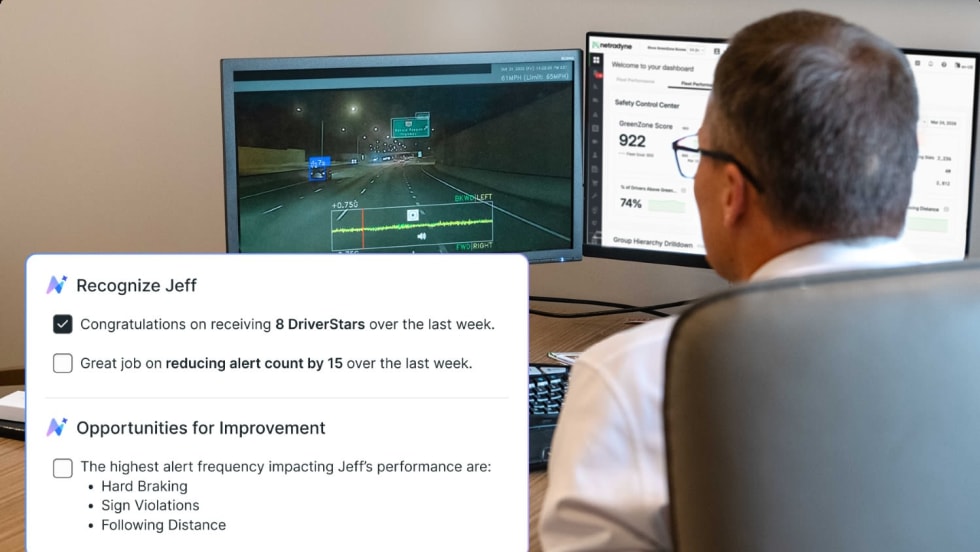
Netradyne Intelligence Uses New AI Agents to Automate Response to In-Cab Camera Data
The company called the next-generation in-cab camera safety platform "a fundamental shift from systems that report on what happened to systems that actively drive what should happen next."
Read More →
Why Truck Detention Keeps Costing Fleets Time and Money
A 2024 ATRI study found detention affects nearly 40% of truckload stops and costs the industry more than $15 billion annually. Despite the toll on drivers, fleets, and supply chains, the problem remains stubbornly persistent.
Read More →