




EPA Glider Truck Loophole Closed Temporarily by Court
A federal court has granted a temporary stay that suspends the decision by the Environmental Protection Agency to not enforce for 2018 and 2019 a 300-unit production cap put in place on the manufacture of glider kits/vehicles that do not comply with Phase 2 GHG emission rules.

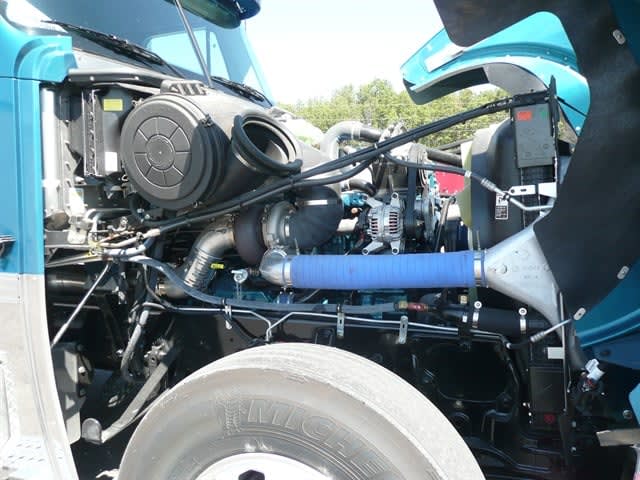
Environmental groups successfully petitioned the court to stay an EPA decision not to enforce emissions-related cap on glider kit production.
Photo: Tom Berg
A federal court has granted a temporary stay that suspends the decisionby the Environmental Protection Agency tonot enforce for 2018 and 2019 a 300-unit production cap put in place on the manufacture of glider kits/vehicles that do not comply with Phase 2 GHG emission rules.
The U.S. Court of Appeals for the District of Columbia on July 18 ruled in favor of an emergency motion filed the day before by the Environmental Defense Fund, the Center for Biological Diversity, and the Sierra Club. The environmental groups argued in their brief that the decision not to enforce should be declared unlawful and be vacated because the EPA’s action is “an illegal effort to subvert the Clean Air Act” and “the Glider Decision is arbitrary and capricious.”
The three petitioning groups contend that the Phase 2 GHG emissions are current law and were adopted after years of analysis and public comment.
“The court’s decision is an important step towards protecting the health of all Americans from super-polluting diesel freight trucks,” said EDF President Fred Krupp. “The Trump administration’s decision to allow more of these dirty diesel trucks on our roads was made without any public input and with reckless disregard for the serious public health threats they will cause. We’re pleased the court has suspended this dangerous loophole and we look forward to presenting a strong case to the court about the need to reverse EPA’s flawed decision.”
The D.C. Circuit Court ruled two-to-one to temporarily suspend implementation of EPA’s decision not to enforce the Phase 2 rules for gliders. In a statement, the petitioners said the court will now consider their request for a longer stay pending consideration of the merits of the case. The stay order directs EPA to respond to the court’s emergency motion with hand-delivery of paper copies of their submissios by 4:00 p.m. EDT on Friday, July 27, 2018.
Earlier this month, EPA said it had decided not to enforce the Phase 2 rules on gliders because it is working to finalize a proposed rule to repeal “certain emission requirements” on glider kits. News of the enforcement loophole was broken by The New York Times one day after the resignation of EPA Administrator Scott Pruitt on July 5.
In July 2017, after Fitzgerald Glider Kits petitioned EPA to do so, the agency announced it intended to revisit the Phase 2 glider kit provisions. In November, the agency issued its official proposal to entirely repeal emission requirements for glider vehicles, glider engines, and glider kits.
The repeal proposal came out only weeks before the 300-unit glider cap was to take effect on Jan. 1 of this year, which was the driving factor behind the enforcement pause.
Unrelated to the court case, this week Daimler Trucks North America restated its position on the future of glider kits, which it manufactures: “DTNA has long expressed support for the EPA and NHSTA to regulate fuel efficiency of and CO2 from heavy-duty vehicles. DTNA supports the GHG Phase 2 rule as written, including the provisions that apply to gliders. DTNA will follow the intent of the 2018 glider restrictions regardless whether the EPA modifies the rules.”
Related: EPA Will Not Enforce 300-Unit Limit on Glider Kits through 2019
More Equipment
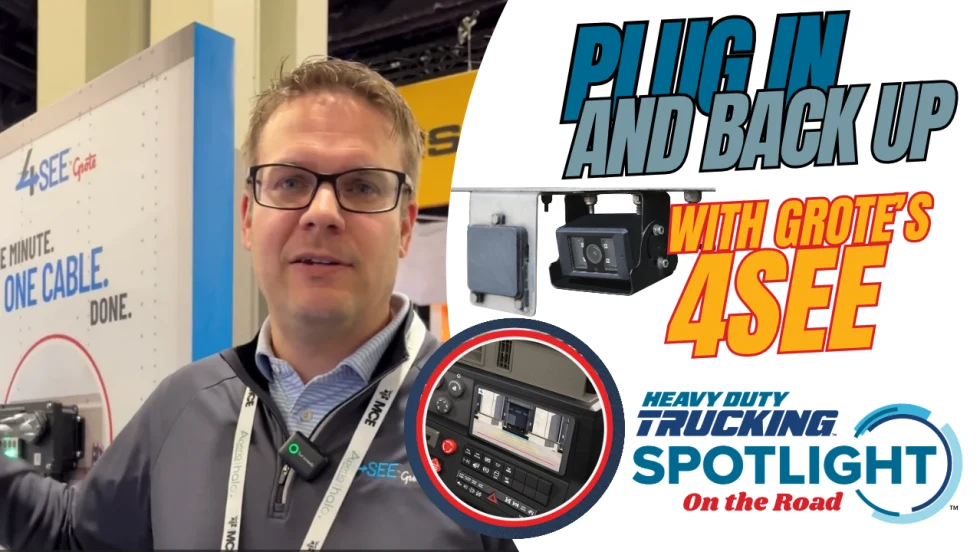
More Trailer Data Through the Same Seven-Way [Video]
Can trucking’s standard seven-way connector handle more cameras and trailer data? Grote’s Adam Slade shows HDT how the company is using new technology with its 4See trailer system, not only to add a new backup camera but also to expand other capabilities — without adding another connection.
Read More →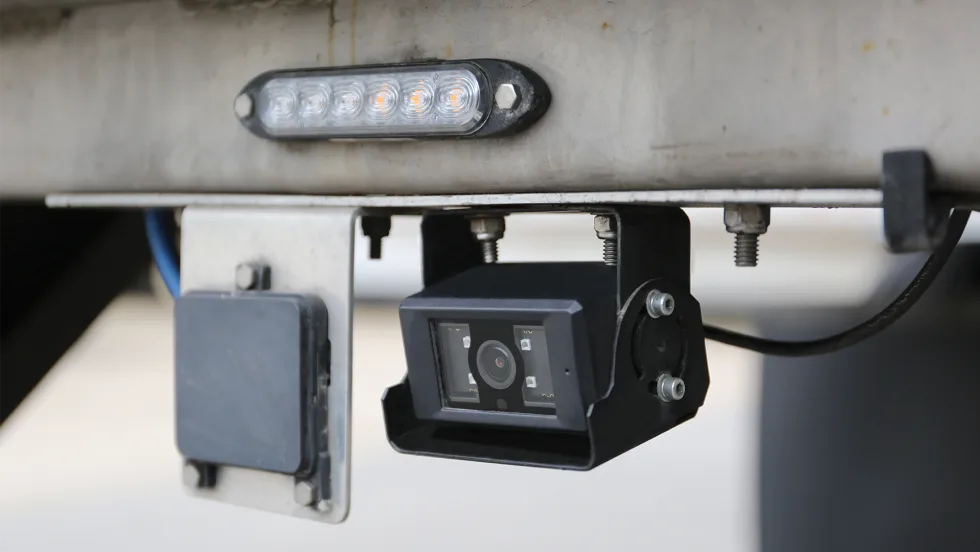
Grote: More Cameras, Same Seven-Way Connector
The next-generation 4See rear-view backup camera from Grote uses the standard seven-way connector and supports additional cameras and other trailer data.
Read More →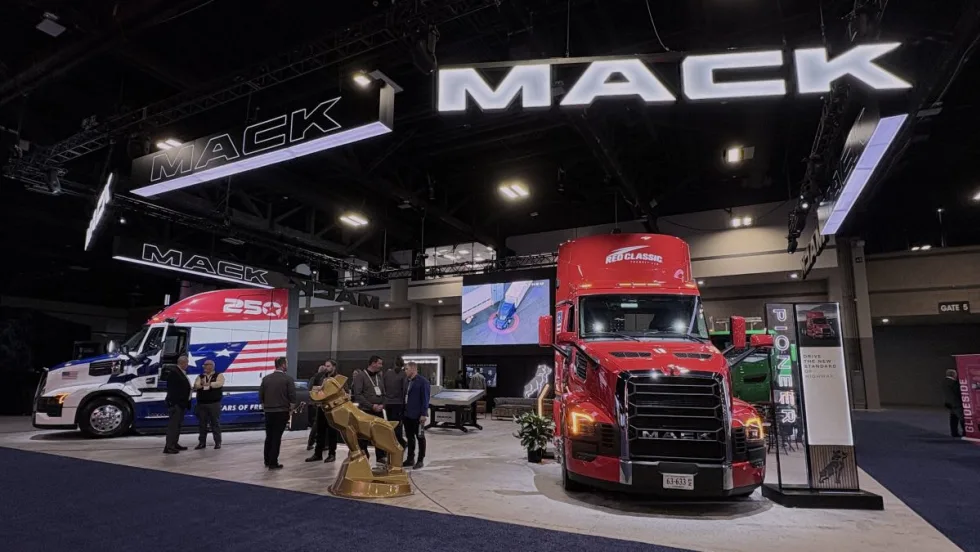
Trucks at ATA's 2026 MC&E in Charlotte, North Carolina [Photos]
From rigs decked out in patriotic America's 250 paint schemes to autonomous trucks and more, check out these photos from ATA's 2026 Management Conference & Exhibition.
Read More →
Help HDT Find Trucking’s Top Products
Have you come across a new product that could make a difference for trucking fleets? Nominate it for HDT’s 2027 Top 20 Products Awards by November 9.
Read More →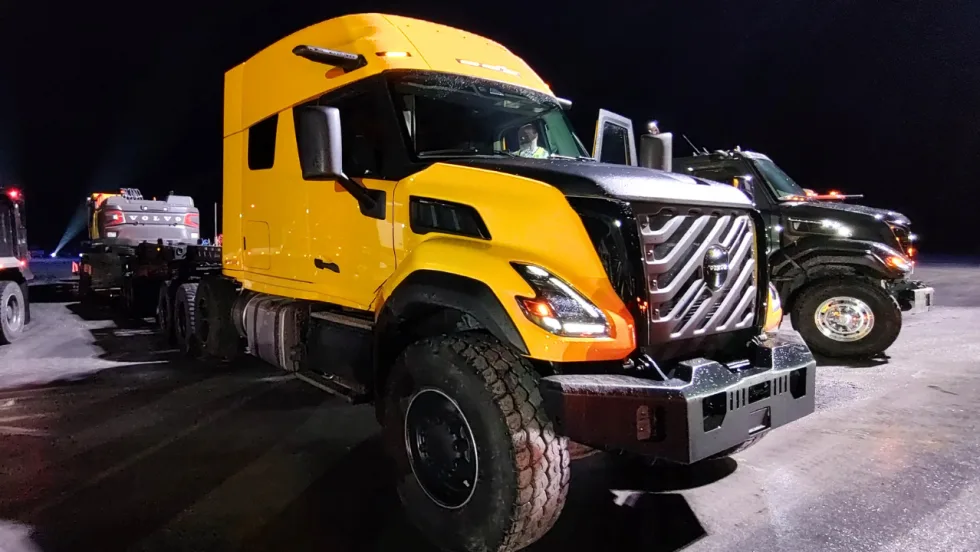
Volvo Unveils New VNX Heavy-Haul and Vocational Truck
Volvo Trucks has launched the VNX, a new vocational truck also available as a tractor in day cab and two sleeper configurations, with one heavy-haul model. The Volvo VNX is powered by Volvo's D13 platform, which delivers up to 540 horsepower and 1,950 pound-feet of torque and is EPA 2027-compliant.
Read More →
How GP Transco Cuts Trucking Fuel Costs, a Tenth of a Gallon at a Time
What’s another tenth of a mile per gallon worth? GP Transco shares how equipment upgrades and driver coaching turn small gains into meaningful fuel savings.
Read More →
Electric Yard Tractors Move Beyond Pilots
Operating-cost savings have overtaken sustainability goals as the leading reason surveyed fleets are adopting battery-electric terminal tractors, according to new NACFE research.
Read More →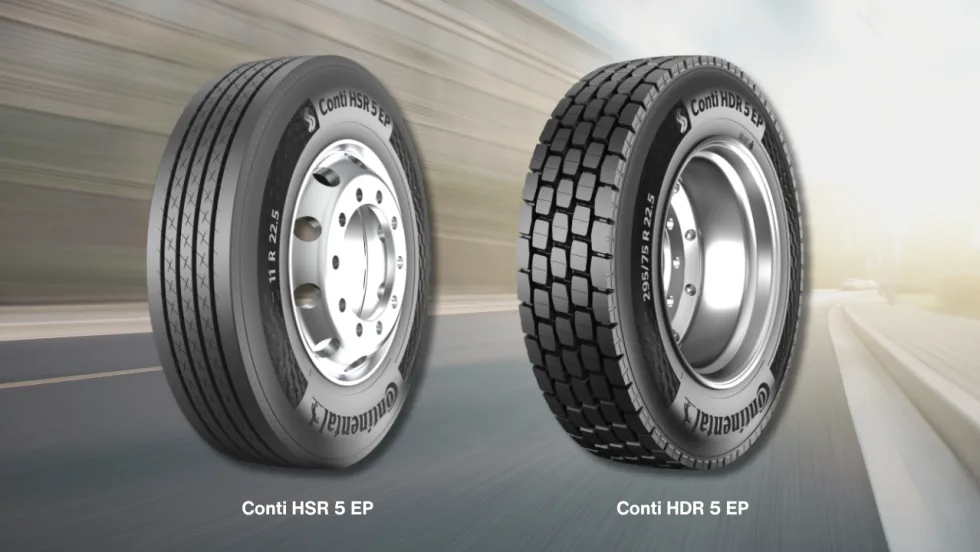
Continental Introduces New Regional Truck Tires
Continental says its new Generation 5 steer and drive tires for regional operations offer longer tread life, with estimated mileage gains of 22% and 19%, respectively.
Read More →
Tekmodo Introduces CargoBright Brand for Translucent Trailer Roofs
CargoBright is designed to diffuse daylight across the cargo area while performing as a working vehicle roof.
Read More →
Fleet Economics Shape Electric Truck Outlook
ACT Research expects costs, charging infrastructure, and technology improvements to drive zero-emission commercial vehicle adoption as federal regulations and incentives retreat.
Read More →