




Related: When Well-Intentioned Rules Have Unintended Consequences
EPA Awards $20 Million Contract For Emissions Research
The Southwest Research Institute was awarded a five-year $20.16 million contract by the U.S. Environmental Protection Agency to provide testing and analytical services related to emissions and fuel consumption.
by Staff
February 27, 2015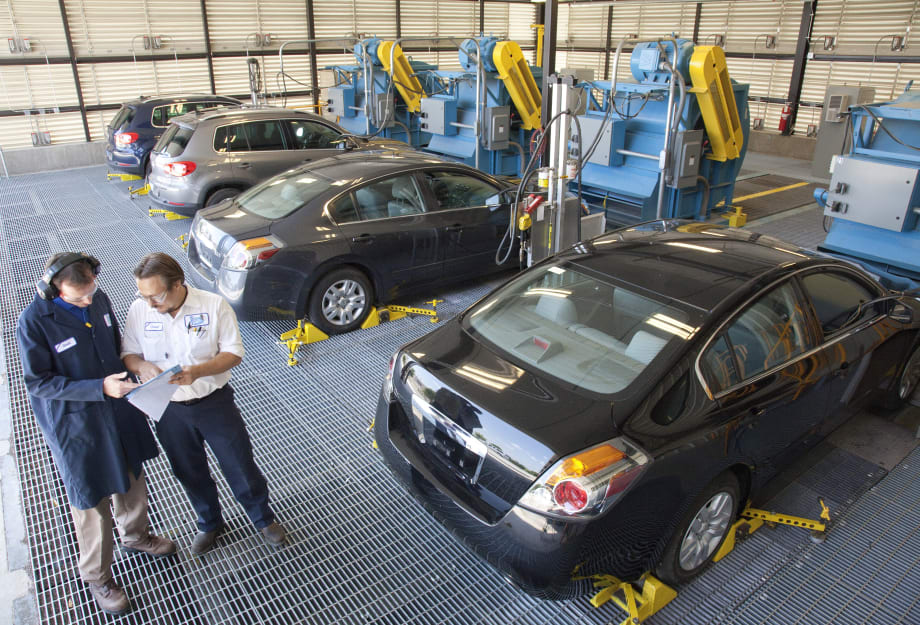
Southwest Research Institute will conduct analytical services in emissions and fuel consumption on light- and heavy-duty vehicles and components under a five-year, $20.1 million contract from the EPA. Photo via Soutwest Research Institute
2 min to read

The Southwest Research Institute was awarded a five-year $20.16 million contract by the U.S. Environmental Protection Agency to provide testing and analytical services related to emissions and fuel consumption.
SwRI will be tasked with developing test procedures and equipment for regulated and unregulated emissions in light- and heavy-duty vehicles and components. It will also develop for marine, railway, aircraft, small engine and other non-highway propulsion systems.
“The scope of this contract is quite broad,” said Patrick Merritt, principal scientist on the project. “It encompasses 25 areas - from fuels and lubricants to engine and emissions characterizations as well as economic studies, general rule-making support, and coordinating peer review meetings.”
The contract also calls for evaluating vehicles to ensure compliance with current emissions and other regulatory requirements. The SwRI will also safety test powertrains, batteries, and emission control systems. The contract was given through the EPA’s Office of Transportation and Air Quality Assessment and Standards division.
SwRI was founded in 1947 and has been engaged in the automotive industry conducting contract work for federal environmental projects. Merritt believes the EPA chose SwRI for the institute’s ability to respond quickly on short notice.
“Our long history and extensive expertise in all of these areas means we can provide the support requested in a very timely manner,” said Merritt. “Our diverse expertise enables us to perform these science engineering and support functions here rather than assembling a team from different laboratories.”
More Fuel Smarts
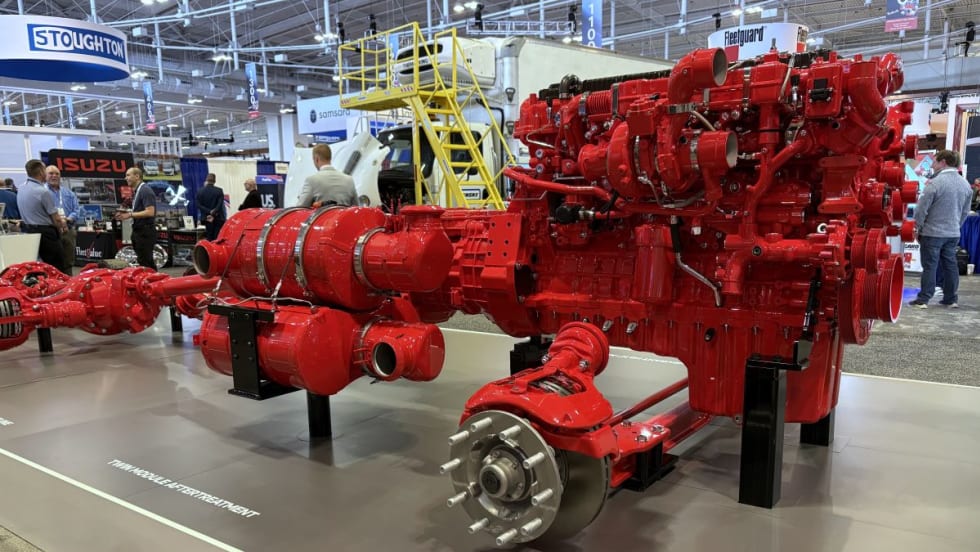
Cummins Adjusts 2027 Engine Rollout After EPA Proposal
The engine maker will gradually introduce its new Model Year 2027 diesel engines while continuing to offer current models during the transition, citing the EPA's proposed emissions rule changes.
Read More →
EPA Proposal Could Ease 2027 Truck Costs and Buying Uncertainty
The proposal doesn't change the tougher NOx standard, but it would revise key implementation requirements that manufacturers say have driven up costs and complicated fleet purchasing decisions.
Read More →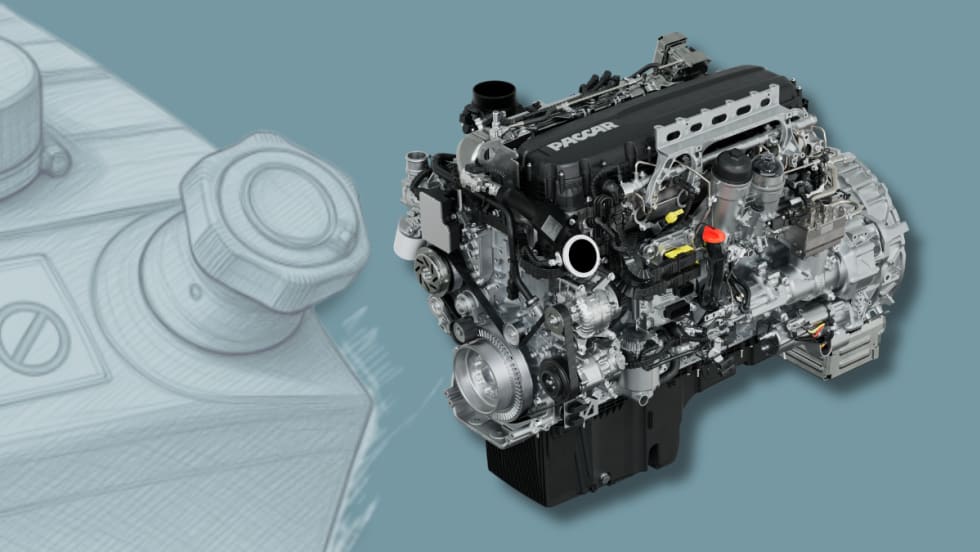
Cummins, Paccar Ease DEF Derates After EPA Guidance
Updated diesel engine software gives truck operators more time to address emissions-system issues while staying compliant with EPA emissions standards.
Read More →
Maintenance in the Messy Middle Part 3: Biodiesel
Biodiesel can reduce emissions, improve fuel-system lubricity and use existing diesel infrastructure. But NACFE’s Messy Middle maintenance report says fleets must actively manage storage, cold-weather operation, filters and oil drain intervals to avoid problems.
Read More →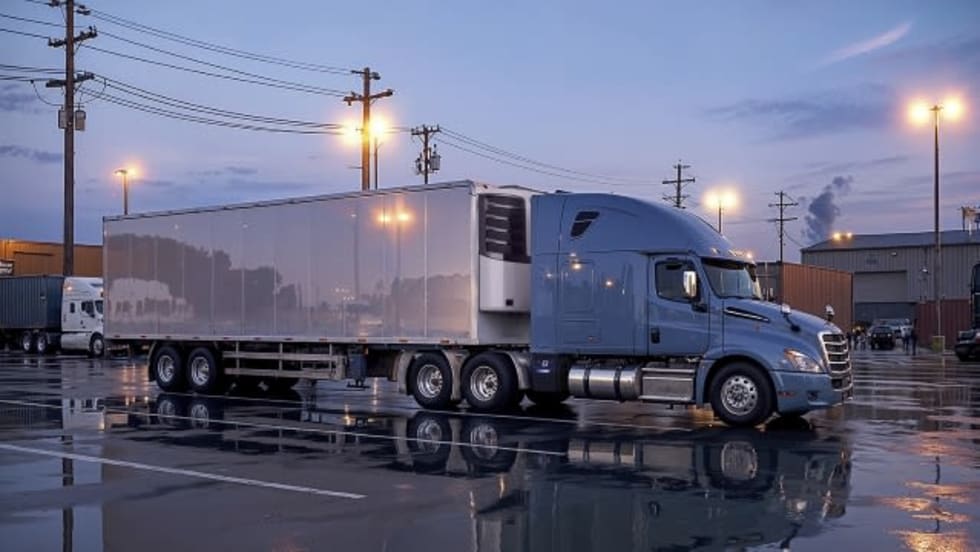
Enhance Fleet Performance with High-Efficiency Auxiliary Power Units
Drive sustainable cost savings while increasing driver comfort during short- and long-haul logistics operations.
Read More →
Maintenance in the ‘Messy Middle’ Part 2: Renewable Diesel Fuel
NACFE's latest Messy Middle Powertrain Service & Maintenance report says renewable diesel gives fleets an opportunity to reduce carbon emissions without changing trucks, fueling infrastructure or maintenance practices. But technicians still need to understand several important operational differences.
Read More →
The Diesel Engine Enters NACFE’s ‘Messy Middle’
NACFE’s new Messy Middle Powertrain Service & Maintenance report says keeping modern diesel engines running now depends as much on software, diagnostics and data as traditional mechanical service.
Read More →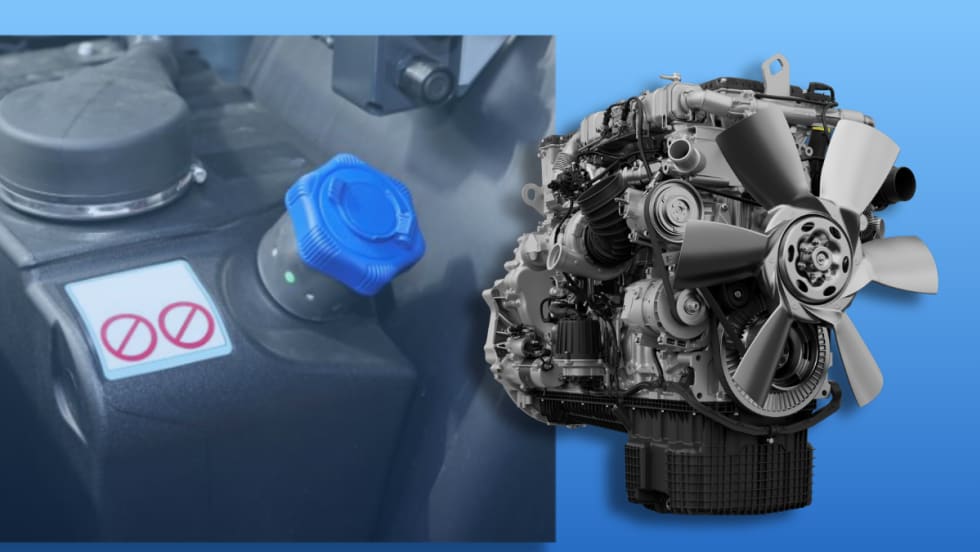
DTNA Software Update Gives Truckers More Time Before DEF Derates Take Effect
The changes reflect EPA guidance aimed at reducing downtime caused by emissions-system faults while maintaining compliance requirements.
Read More →
New Agentic Predictive Maintenance Report Demonstrates How Degraded Aftertreatment Systems Waste Fuel
Questar analyzed a large mixed-class fleet and discovered it was wasting as much as $30 in fuel per vehicle, per day, because of mechanically degraded aftertreatment systems.
Read More →
New York City's Microhub Project is Delivering Results
Trucking, last-mile delivery companies, and environmental advocates like what they are seeing so far with New York's microhub program.
Read More →