




Emergency Hauling Declarations Extended Once Again
Federal Motor Carrier Safety Administration regional offices have once again extended emergency declarations waiving certain federal regulations for those involved in the interstate hauling of emergency relief supplies as cold weather continues in the Midwest and Northeast.
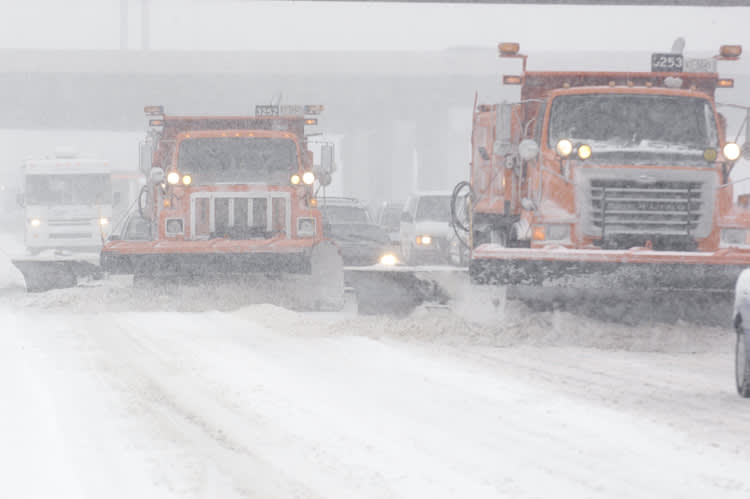

Federal Motor Carrier Safety Administration regional offices have once again extended emergency declarations waiving certain federal regulations for those involved in the interstate hauling of emergency relief supplies as cold weather continues in the Midwest and Northeast.
The declarations are based on input from governors or their designated representatives as to the need for propane and other home heating fuel, along with road salt and similar supplies, according to the Commercial Vehicle Safety Alliance.
All of the new extensions will expire on March 15 or when the emergency ends, whichever is sooner.
The states where rules are being waived for deliveries of propane and other home heating fuels, along with salt or other anti-icing supplies to maintain safe roads include Delaware, Massachusetts, New Jersey, New Hampshire, New York, Pennsylvania and Vermont, which are served by one FMCSA regional office, along with Ohio, which is served by a separate one.
Regulations are being waived for propane and other home heating fuel deliveries in Illinois, Indiana,Michigan, and Wisconsin, while regulations are being waived for propane and diesel fuel shipments in South Dakota.
There are no new declarations for the Southern region, as the governors from the area did not indicate a need for them, according to CVSA.
More Drivers

FMCSA Moves to Codify English Language Requirements for Commercial Drivers
By changing regulations on English-language proficiency requirements for commercial drivers, rather than relying on a guidance memo, the FMCSA said future administrations won't be able to walk back the Trump administration's stricter enforcement with just a memo.
Read More →
Drivers Put Western Star Trucks to the Test at Star Nation Experience
Watch to get an inside look at the Western Star trucks, technology, and community behind the Star Nation Experience 2026!
Read More →
Trump Administration Looks to Put More Veterans Behind the Wheel
The Freedom Haulers program pulls together existing and expanded programs at several federal agencies to recruit veterans to drive commercial heavy-duty trucks and cut the red tape for them to get a CDL, training, and employment.
Read More →
Putting Mack’s Command Steer to the Test
A test drive of Mack’s Command Steer active steering system evaluates how it can make truck driving easier and less tiring.
Read More →
Competition Heating Up for Truck Drivers
New report reveals rising driver hiring costs, the return of sign-on bonuses, growing AI advantages, and the operational factors shaping driver retention.
Read More →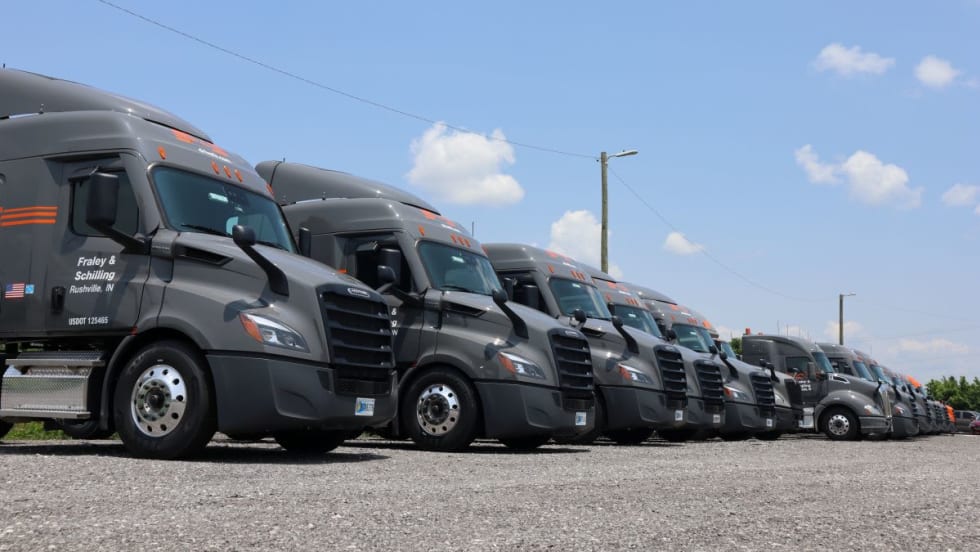
How Fraley & Schilling Improved Logbook Compliance by Over 50%
Fraley & Schilling needed a way to close a compliance workflow gap in its ELD system without adding more work from driver training, reminders, and back-office follow-ups. It found the answer in a custom driver app.
Read More →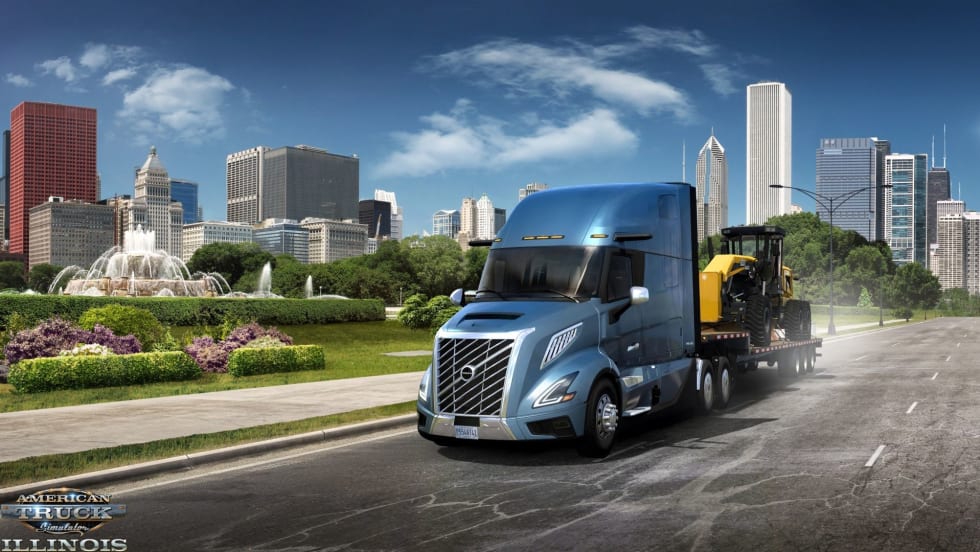
Volvo Goes Gaming
Volvo has roared into American Truck Simulator with two new flagship trucks.
Read More →
What the Best Fleets to Drive For Teach About Driver Retention
Survey fatigue, AI-powered routing, owner-operator expectations, and the decline of social media all emerged as themes from this year's Best Fleets to Drive For program.
Read More →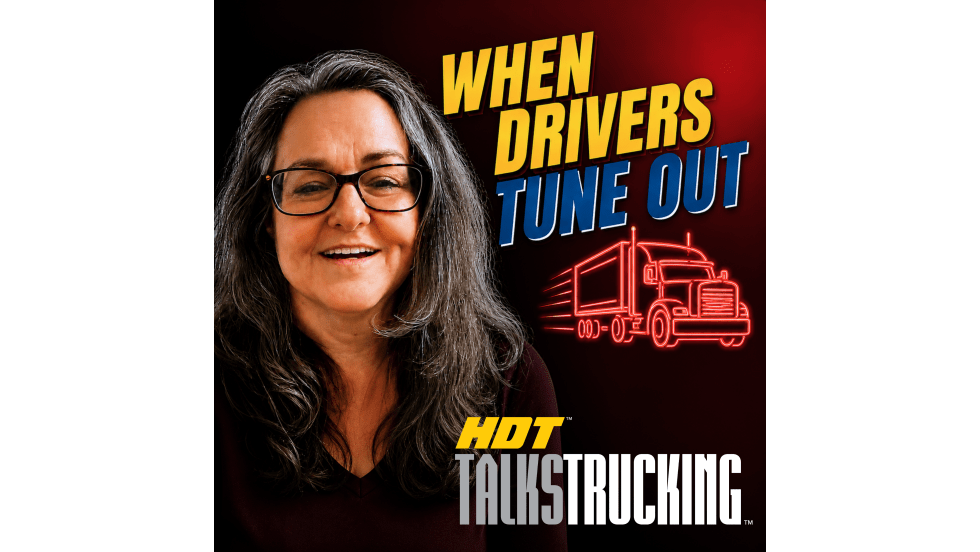
Driver Retention Lessons From the Best Fleets to Drive For
What separates trucking's best workplaces from the rest? Jane Jazrawy shares the biggest lessons from this year's Best Fleets to Drive For program on driver retention, communication, AI, and workforce trends on the HDT Talks Trucking podcast.
Read More →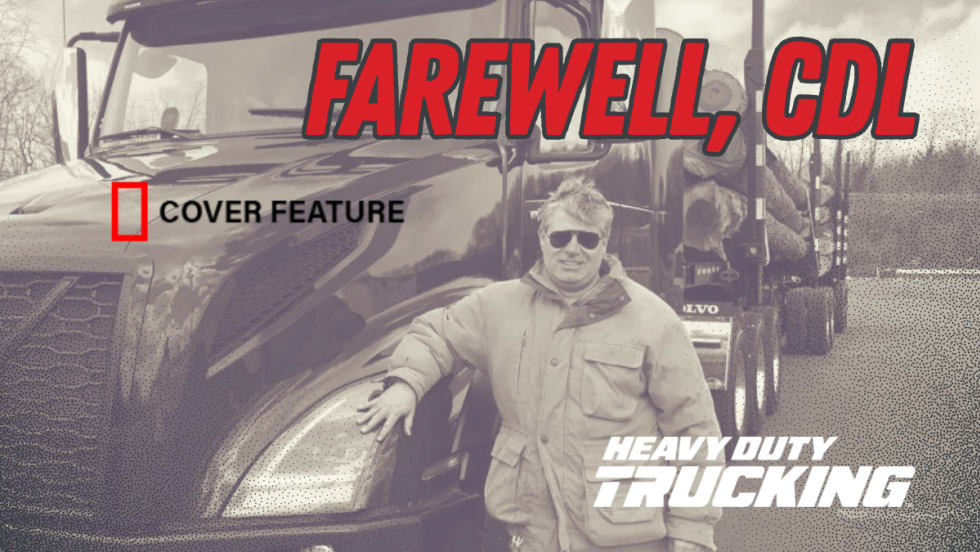
Farewell, CDL: Why I'm Giving Up My Commercial Driver's License
After more than 20 years as a CDL holder, HDT Executive Editor Jack Roberts is letting his commercial license expire. Not because he wants to — but because trucking's nuclear verdict crisis has made the risks of public-road test drives too great for editors, manufacturers, and everyone involved.
Read More →