




Effectiveness Of Red Light Cameras Debated
Red light cameras: Are they proven technology that helps reduce accidents, or do they just serve to fill government coffers and actually make intersections more dangerous? That's the debate as a congressional committee tries to figure
Red light cameras: Are they proven technology that helps reduce accidents, or do they just serve to fill government coffers and actually make intersections more dangerous? That's the debate as a congressional committee tries to figure out whether it has jurisdiction over the subject.
In 1999, 90,000 injuries and approximately 950 deaths in the U.S. were attributed to red light running. Between 1992 and 1998, fatal motor crashes at traffic signals increased 18 percent, outpacing the 6-percent rise in all other fatal crashes.
Increasingly popular red light cameras, which take pictures of red light runners so tickets can be sent to the vehicles' owners, are touted as a solution by many safety groups. But opponents say they're nothing more than revenue devices for many communities.
The House Highways and Transit Subcommittee held a hearing on red light cameras Tuesday. Nineteen states now use them or are planning to install them, while 11 states forbid their use, according to Copley News Service. There are approximately 345 red light cameras in use in 30 cities. House Majority Leader Dick Armey, R-Texas, helped organize the hearing and has questioned whether cities are trying to make roads more safe or trying to make more money.
San Diego radio talk show host Roger Hedgecock testified he wrecked his new car in a rear-end collision when a too-short yellow traffic light turned red, forcing the driver of a commercial truck in front of him to slam on the brakes.
Opponents of the cameras told the committee they have found some cities manipulated timing devices on traffic cameras to artificially raise the number of red-light violations and therefore the revenue derived from tickets.
Proponents of the cameras, however, say they cut down on red light accidents. A group of safety organizations, some of whom testified during the House hearing, has formed the National Campaign to Stop Red Light Running. The campaign is an effort of the National Association of Governor's Highway Safety Representatives, Advocates for Highway and Auto Safety, the Insurance Institute for Highway Safety, and Mothers Against Drunk Driving.
"Where red light cameras are used, they have been enormously successful in reversing the alarming increase in red-light violations," said Judith Lee Stone, president of Advocates for Highway and Auto Safety. MADD president Millie Webb called red light cameras "an innovative and effective way to prevent intersection crashes."
The National Motorists Assn. begs to differ, saying better traffic engineering could reduce red light running better than red light cameras.
The NMA points to Fairfax County, Va., which has had a red light camera at RT7 and Towlston Road for eight months, with no effect on the number of red light violations, according to the group.
In the same county, at another intersection, US50 and Fair Ridge Drive, there has been a 96 percent decrease in red light violations. But the NMA says this is because the yellow light time at that intersection was increased by 1.5 seconds - "a perfect example of how sound engineering practices can solve compliance problems and reduce accidents," says NMA spokesman Eric Skrum.
The Insurance Institute for Highway Safety recently released a study on the effectiveness of red light cameras. The study focused on Oxnard, Calif., which installed cameras at 11 of its 125 intersections in 1997. The study found the number of collisions in the city went down 7 percent, and crashes resulting in injuries dropped 29 percent. Front-into-side collisions, the crash type most closely associated with red light running, dropped 32 percent overall, and those with injuries 68 percent.
NMA takes issue with the study, saying crashes at the 11 camera-equipped intersections were not analyzed separately from the other 114 signal-controlled intersections in Oxnard. "The results from control group cities that showed equal or greater reductions in accidents, without ticket cameras, were buried or glossed over," Skrum said.
Truckers have their own beef with red light cameras. Many yellow lights are not long enough to allow a tractor-trailer to complete its maneuver through the intersection, even if the light was green when the trucker entered, resulting in a possible red light infraction.
"Red light cameras are revenue generators, not safety tools," Skrum says.
More Safety & Compliance

$604 Million Verdict Tests Broker Liability After Supreme Court Ruling
C.H. Robinson plans to appeal after a Texas jury found it bore the largest share of responsibility for a fatal 2021 crash, in a case that follows the Supreme Court's Montgomery decision allowing negligent hiring claims against freight brokers.
Read More →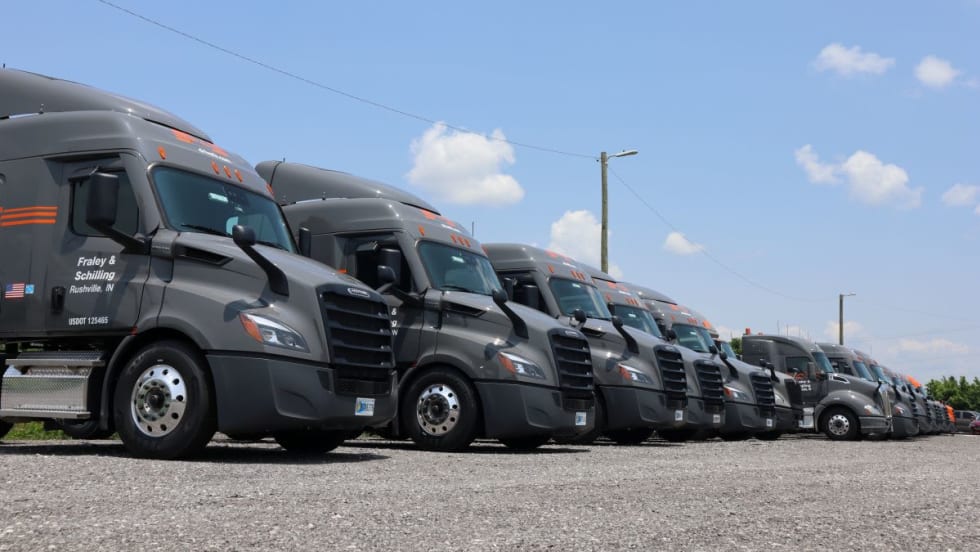
How Fraley & Schilling Improved Logbook Compliance by Over 50%
Fraley & Schilling needed a way to close a compliance workflow gap in its ELD system without adding more work from driver training, reminders, and back-office follow-ups. It found the answer in a custom driver app.
Read More →
Farewell, CDL: Why I'm Giving Up My Commercial Driver's License
After more than 20 years as a CDL holder, HDT Executive Editor Jack Roberts is letting his commercial license expire. Not because he wants to — but because trucking's nuclear verdict crisis has made the risks of public-road test drives too great for editors, manufacturers, and everyone involved.
Read More →
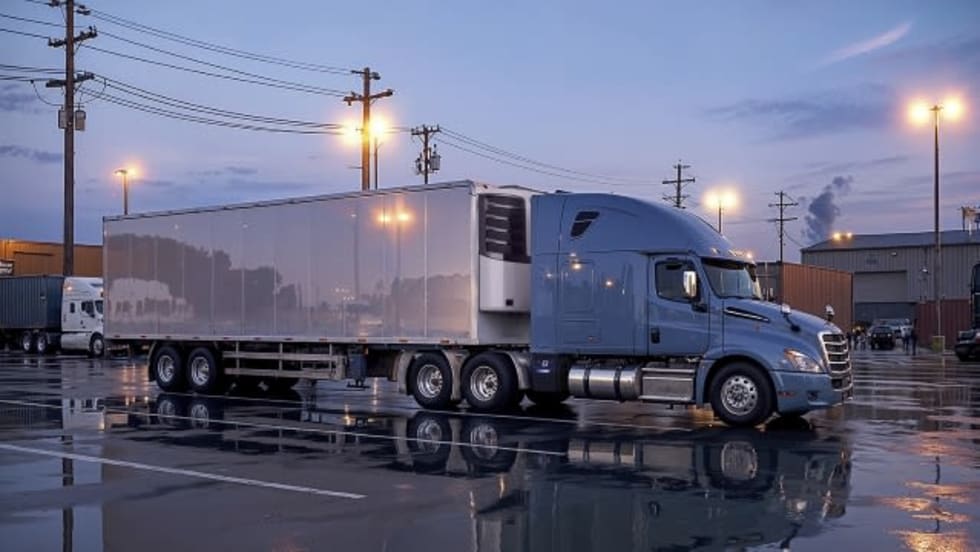
Enhance Fleet Performance with High-Efficiency Auxiliary Power Units
Drive sustainable cost savings while increasing driver comfort during short- and long-haul logistics operations.
Read More →
Wabash Trailers Recalled for Improperly Installed Underride Guards
More than 900 Wabash dry van trailers may not comply with the Federal Motor Vehicle Safety Standard for rear impact guards.
Read More →
Why K&B Trucking Is Embracing AI and Driver Safety Technology
Crunching data and embracing artificial intelligence are key in K&B Trucking's safety efforts, says the company's safety director.
Read More →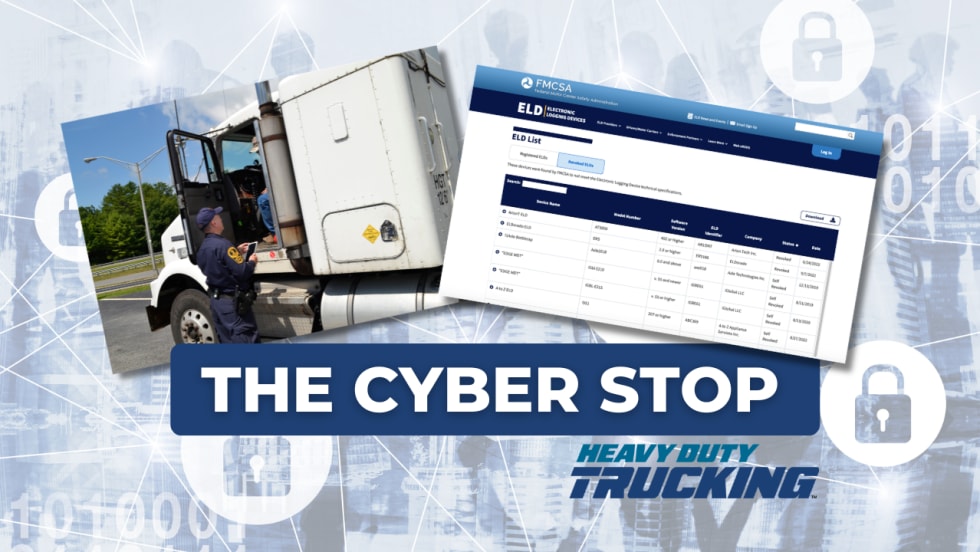
The Hidden Problem Behind FMCSA's ELD Revocations
NMFTA researchers say dozens of registered ELDs may be built on the same software platforms, allowing compliance and security concerns to persist even after individual devices are removed from the market.
Read More →
ATRI Wants Motor Carriers for Driver-Facing Camera Study
In this new study, the American Transportation Research Institute will explore how driver-facing cameras can impact safety and operational metrics in trucking fleets.
Read More →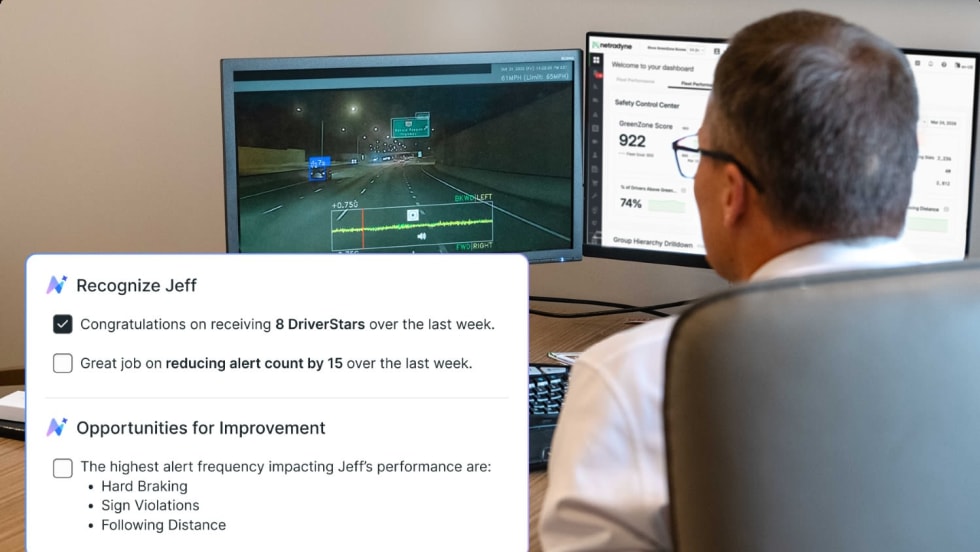
Netradyne Intelligence Uses New AI Agents to Automate Response to In-Cab Camera Data
The company called the next-generation in-cab camera safety platform "a fundamental shift from systems that report on what happened to systems that actively drive what should happen next."
Read More →Mack, Volvo Issue ‘Do Not Drive’ Recall on Possible Wheel-Offs
Owners will be sent advance notice not to operate their affected vehicles until the remedy is performed.
Read More →