




Related: Growth Revised to Highest Level in 3 Years, Consumers Upbeat
Economic Watch: Trucking Helps With Most Recent Job Gains, Consumer Sentiment Cools
The U.S. economy added another 228,000 non-farm jobs in November, aided by job gains in the trucking industry, according to a Labor Department report released Friday.

Evan Lockridge・Former Business Contributing Editor
4 min to read
The U.S. economy added another 228,000 non-farm jobs in November, aided by job gains in the trucking industry, according to a Labor Department report released Friday.
The performance was better than a consensus estimate from analysts, who forecast jobs would grow by 200,000 during the month.
Employment continued to trend upward in the professional and business services, manufacturing, and health care sectors. Growth has averaged 174,000 per month so far this year, compared with an average monthly gain of 187,000 in 2016.
The department also revised the October figure to 244,000 job additions, down from its previously estimated number of 261,000. September was moved higher to 38,000, first reported as an 18,000-job gain.
There were 1,800 for-hire trucking jobs added in November. The wider transportation and warehousing sector reported 10,500 job gains, most in the warehousing and storage sector.
The nation’s unemployment rate remained at 4.1% – but that is still a 17-year low.
The department also reported that in November, average hourly earnings for all employees on private nonfarm payrolls rose by 5 cents to $26.55. Over the past year, average hourly earnings have risen by only 2.5%, indicating employers are keeping a lid on payroll expenses.
This followed a report the day before from payroll processor ADP that showed private-sector employers added 190,000 jobs in November.
“The job market is red hot, with broad-based job gains across industries and company sizes,” said Mark Zandi, chief economist of Moody’s Analytics, about the ADP report. “The only soft spots are in industries being disrupted by technology, brick-and-mortar retailing being the best example. There is a mounting threat that the job market will overheat next year.”
Interest Hike Likely
Analysts at RBC Economics Research said the Labor Department report gives the Federal Reserve a green light to raise interest rates when it meets next Wednesday.
"With hurricane-related volatility largely behind us, economic conditions are clearly strong enough for businesses to continue hiring at an impressive pace for this point in the cycle,” said RBC Economist Josh Nye. “Unemployment was steady in November, but if job growth continues at the 170,000 rate seen over the last three months, the jobless rate should drift even further below what the Fed sees as sustainable in the longer run.”
He said with a move at December’s Fed meeting widely expected, attention will be focused on how the central bank sees monetary policy evolving in 2018.
"Key to that debate will be wage and inflation dynamics. The Fed can only raise rates so much in anticipation of increasing price pressures, [and] we’ll need to see wage growth and inflation actually picking up for the committee to hike more than once or twice next year,” Nye said.
He noted while wage growth ticked higher in November, it remained at the lower end of the range seen over the last two years.
“An upward trend will need to continue for policymakers to become confident that rising labor costs are putting a floor under inflation,” Nye said. “For our part, we expect a 4% unemployment rate, combined with what is clearly strong hiring demand, will boost wage growth next year, helping inflation return to 2% on a sustained basis. If upcoming payroll and inflation reports provide evidence of that dynamic, we think the Fed will raise rates once a quarter in 2018.”
Consumer Sentiment Down From October Peak
Also released Friday were preliminary numbers from the University of Michigan’s Survey of Consumers, showing consumer sentiment, while strong, is down from October's peak.
While consumer feelings about current economic conditions moved higher this month compared to November and the same time a year earlier, expectations about the future dimmed slightly.
“Most of the recent decline was concentrated in the long-term prospects for the economy, while consumers thought current economic conditions have continued to improve,” said Surveys of Consumers Chief Economist Richard Curtin. “Importantly, the largest decline in long-term economic prospects was recorded among Democrats, which reflected their concerns about the impact of the proposed changes in taxes.”
He said perhaps the most important changes in early December were higher income expectations, as well as a higher expected inflation rate in 2018.
“Income gains have been slowly improving during the past year, and the data indicate that trend has continued,” Curtin said. “In contrast, the rise in inflation expectations in early December was a surprise, and confidence in this finding must await confirmation in the months ahead before any inferences are drawn."
More Fleet Management
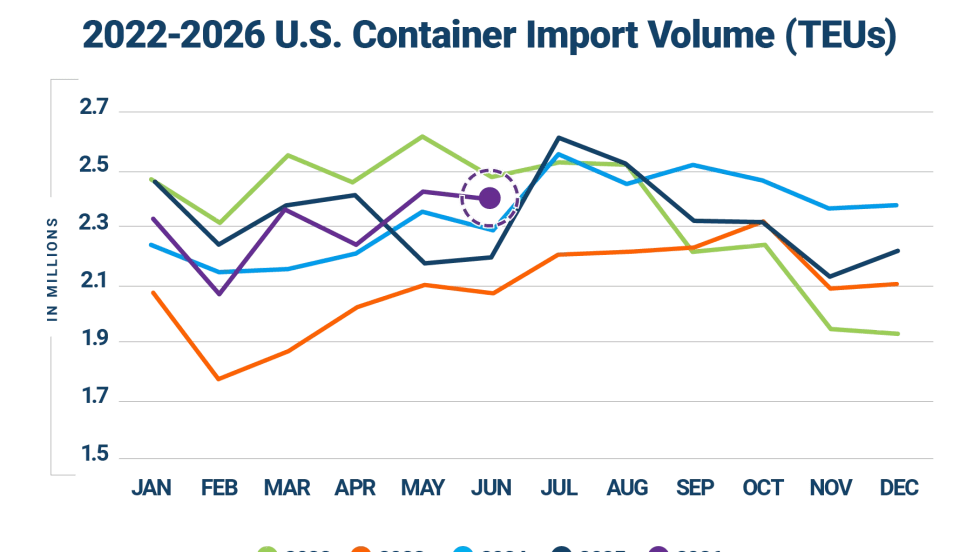
Import Cargo’s Early Peak Season is Winding Down
There was an early start to peak season this year at the nation's gateway ports, as retailers brought in merchandise ahead of tariff changes in late July and responded to other supply chain uncertainties,
Read More →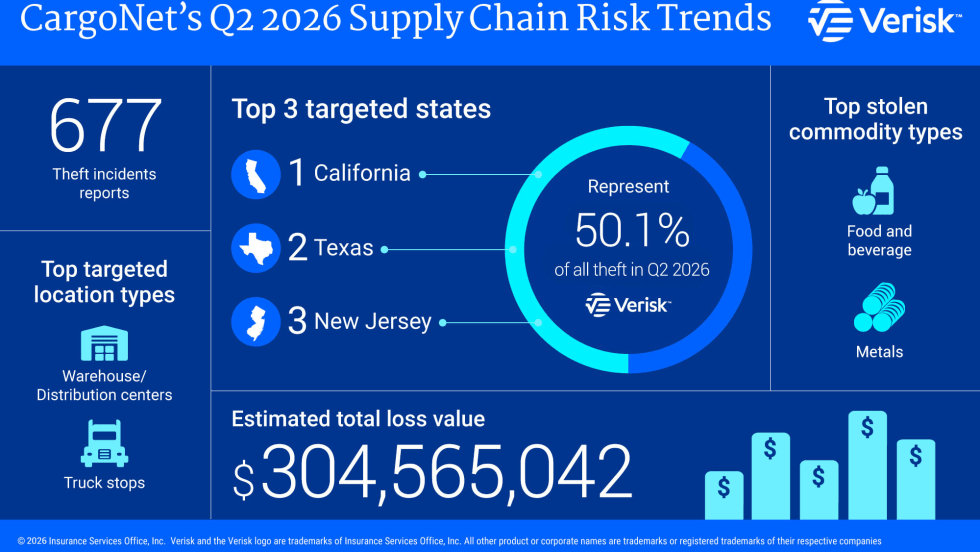
Fewer Cargo Thefts, Bigger Losses: Criminals Target Higher-Value Loads
CargoNet says organized theft rings are stealing fewer shipments but choosing more valuable freight, including metals and technology, resulting in record losses.
Read More →
How Innovative Trucking Leaders Turn Change Into an Advantage
As the pace of change accelerates in trucking, the fleets that adapt best have more than the latest technology. They have cultures that embrace improvement.
Read More →
Freight Broker Bonds Just Got Harder to Get. Here's What That Means for Your Fleet.
When it gets harder for a freight broker to prove they are financially sound, the ones who cannot clear that bar get pushed out of the market. And those are exactly the brokers who used to leave motor carriers holding the bag.
Read More →
Long-Awaited Canadian Border Bridge to Open in Detroit
For trucking, the bridge opening should offer immediate improvements in efficiency and reliability, with new customs facilities, expanded inspection capacity, and direct freeway-to-freeway connections.
Read More →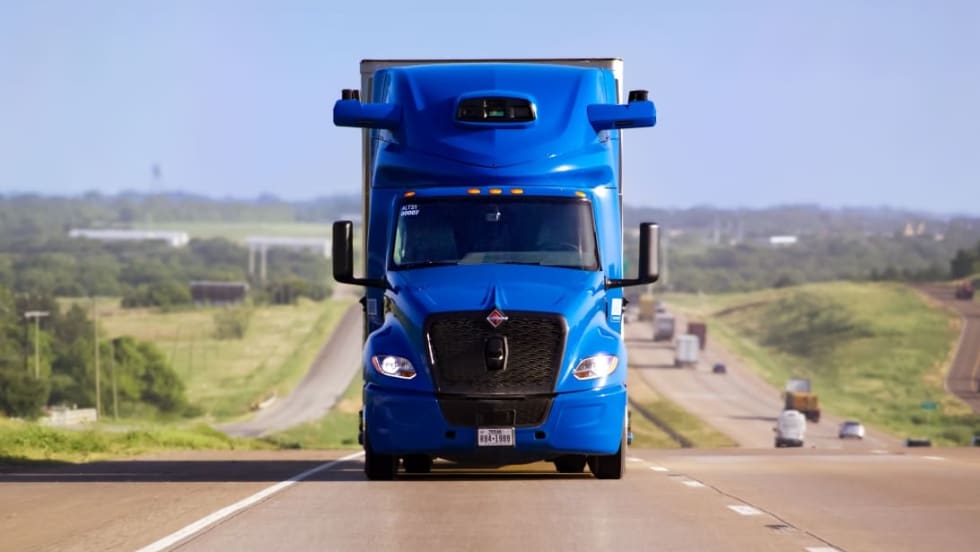
Aurora Rolls Out Next Generation of Driverless Trucks for Commercial Freight
Aurora's latest autonomous trucks it's rolling out with International feature lower-cost hardware designed for a million miles as the company expands commercial driverless freight operations across the U.S. Sun Belt.
Read More →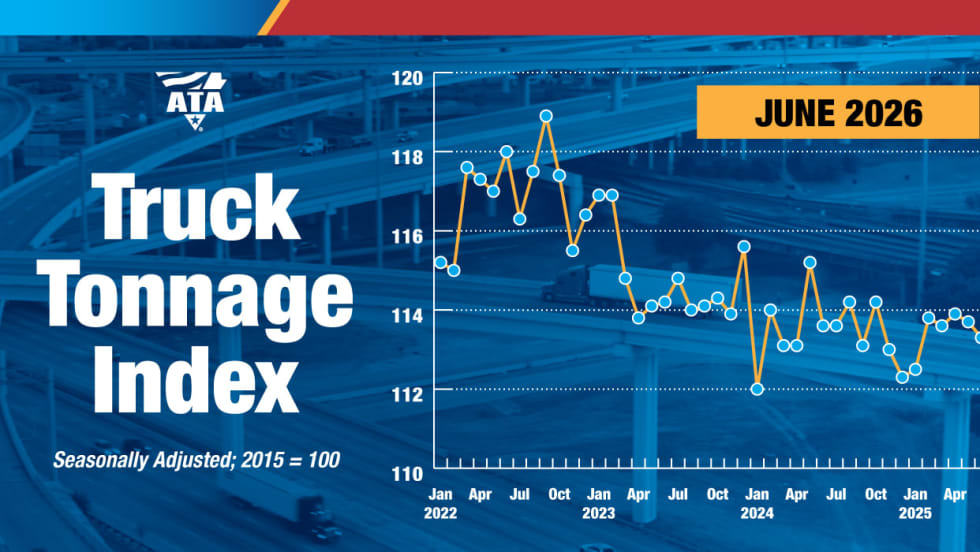
Freight Tonnage Down, Rates up, as Lower Capacity Powers Trucking Recovery
The recovery from the freight recession continues to be driven by reduction in capacity rather than by increased demand.
Read More →
Think Your Trucking Fleet Isn't Using Much AI? Think Again
Shadow AI — the use of unauthorized artificial intelligence tools at work — is becoming increasingly common, putting sensitive company data at risk. Learn how trucking fleets can protect sensitive data while embracing AI.
Read More →
ArcBest Consolidates Brands, Cuts Workforce
The company will bring three business units under the ArcBest brand, eliminate about 2% of positions, and expects the changes to generate $40 million in annual savings.
Read More →
Trucking Fleets Faced Record Operating Costs During Third Year of Freight Recession
ATRI's annual operational cost report shows carriers trimmed fleets, delayed equipment purchases, and ran older trucks as expenses continued to outpace freight rates.
Read More →