




Economic Watch: Trucking Helps Push Unemployment to Near 10-Year Low
While the number of jobs added in the U.S. slowed dramatically during March, trucking supplied a big part of the gain, according to Labor Department figures released Friday, helping push the unemployment rate down to almost a 10-year low.


While the number of jobs added in the U.S. slowed dramatically during March, trucking supplied a big part of the gain, according to Labor Department figures released Friday, helping push the unemployment rate almost down to a 10-year low.
Overall, 98,000 jobs non-farm jobs were added during the month, less than expected from a consensus estimate from analysts and far below February’s revised addition of 219,000.
March employment growth occurred in professional and business services, with 56,000 job additions, as well as in mining with 11,000 job gains. Retail trade lost 30,000 jobs as many large chain stores are closing locations.
Trucking added 4,700 jobs during March. The wider transportation and warehousing sector saw a smaller gain of 3,500, due to a decline in the courier and messengers and transit and ground passenger transportation categories.
Even with these small changes, the unemployment rate fell 0.2 of a percentage point to 4.5%, the lowest rate since May 2007. The decline was driven entirely by more workers finding employment while the participation rate held steady, according to Wells Fargo Securities.
The report also showed average hourly earnings during March for all employees on private nonfarm payrolls increased by 5 cents to $26.14, following a 7-cent increase in February. Over the year, average hourly earnings have risen by 68 cents, or 2.7%, the same annual rate as inflation, according to February figures released last month.
The report may be more indicative of U.S. labor markets approaching capacity limits rather than a sign of weakening in labor demand, according to Paul Ferley, assistant chief economist at RBC Economic Research.
“Indications of tightening labor markets were clearly conveyed by the unemployment rate unexpectedly dropping [while] wage growth continues to trend higher,” he said. “Though job growth may be moving towards a more moderate pace, higher wages should keep incomes rising to sustain gross domestic product growth close to the economy’s potential rate.”
In contrast, "the more optimistic market participants will focus on the decline in the jobless rate as evidence that labor market conditions are getting back to ‘normal,'” contended Lindsey Piegza, chief economist at Stifel Fixed Income.
“Those that are less willing to wear the proverbial rose-colored glasses, however, will see that while a declining pool of available labor has made it more challenging for businesses to hire, wage pressures remain modest at best, supported in good part by particular industries where specific skills are in high demand and low supply,” she said.
No matter which details one chooses to home in on, Piegza said, there is no denying a sizable pullback in headline job creation, with first-quarter hiring averaging just 178,000 per month. In 2014, the labor market was creating jobs at a 250,000 monthly pace. By 2015 that slowed to 226,000, and in 2016 that declined even further to 187,000.
“At present, 2017 employment, while still positive, appears to be continuing the declining trend of the past two years,” she said.
More Fleet Management

Trimble’s New AI Agent Takes Aim at Fleet Back-Office Busywork
Arc Agent works across Trimble TMS products to automate repetitive tasks such as freight orders, maintenance, invoices, fuel costs and more.
Read More →
How HDT’s 2026 Truck Fleet Innovators Are Rethinking Fleet Operations
Meet five trucking leaders who are challenging assumptions, solving operational problems, and putting innovative ideas to work.
Read More →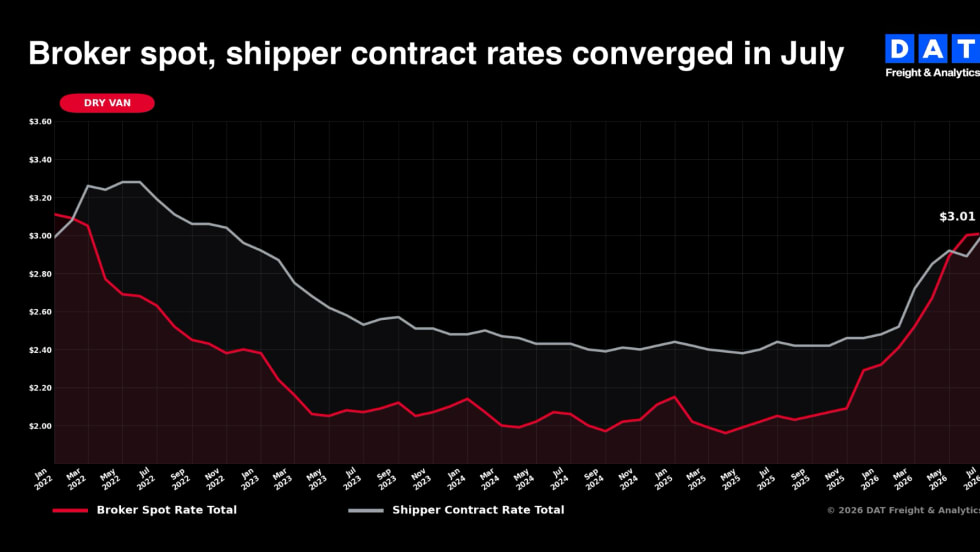
Tight Trucking Capacity Pushes Rates Higher Even as Freight Volumes Fall
“Spot rates moving ahead of contract rates have historically signaled a tightening market, but we haven’t seen a capacity-driven market quite like this one,” said DAT's Dean Croke.
Read More →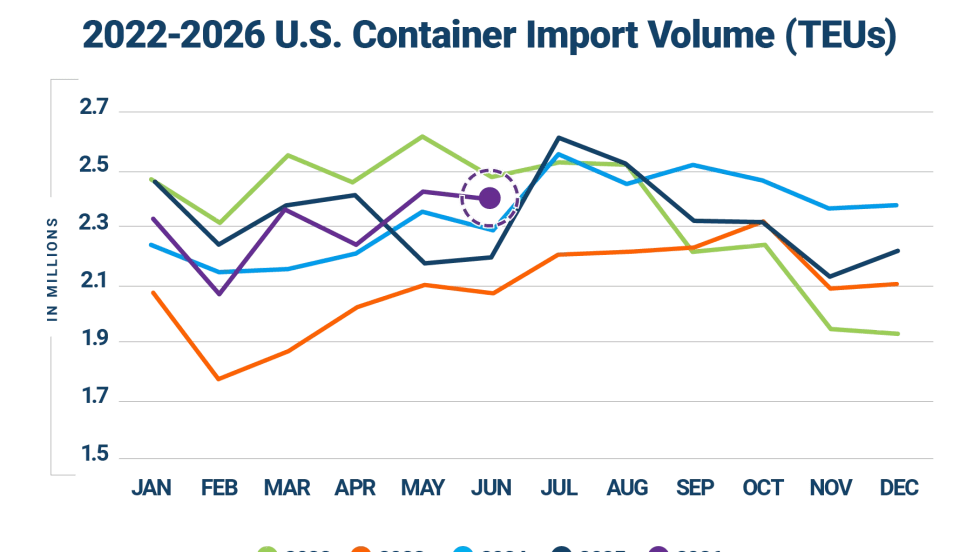
Import Cargo’s Early Peak Season is Winding Down
There was an early start to peak season this year at the nation's gateway ports, as retailers brought in merchandise ahead of tariff changes in late July and responded to other supply chain uncertainties,
Read More →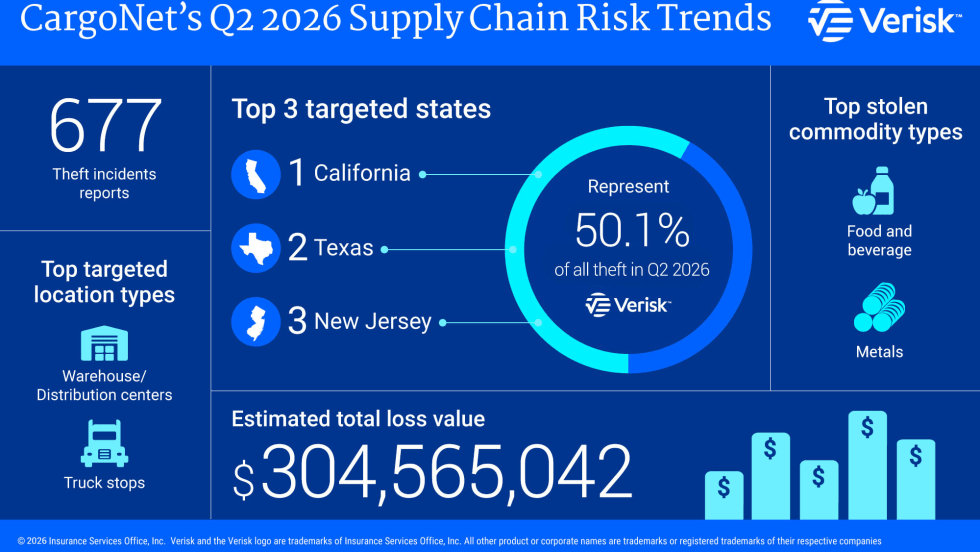
Fewer Cargo Thefts, Bigger Losses: Criminals Target Higher-Value Loads
CargoNet says organized theft rings are stealing fewer shipments but choosing more valuable freight, including metals and technology, resulting in record losses.
Read More →
How Innovative Trucking Leaders Turn Change Into an Advantage
As the pace of change accelerates in trucking, the fleets that adapt best have more than the latest technology. They have cultures that embrace improvement.
Read More →
Freight Broker Bonds Just Got Harder to Get. Here's What That Means for Your Fleet.
When it gets harder for a freight broker to prove they are financially sound, the ones who cannot clear that bar get pushed out of the market. And those are exactly the brokers who used to leave motor carriers holding the bag.
Read More →
Long-Awaited Canadian Border Bridge to Open in Detroit
For trucking, the bridge opening should offer immediate improvements in efficiency and reliability, with new customs facilities, expanded inspection capacity, and direct freeway-to-freeway connections.
Read More →
Aurora Rolls Out Next Generation of Driverless Trucks for Commercial Freight
Aurora's latest autonomous trucks it's rolling out with International feature lower-cost hardware designed for a million miles as the company expands commercial driverless freight operations across the U.S. Sun Belt.
Read More →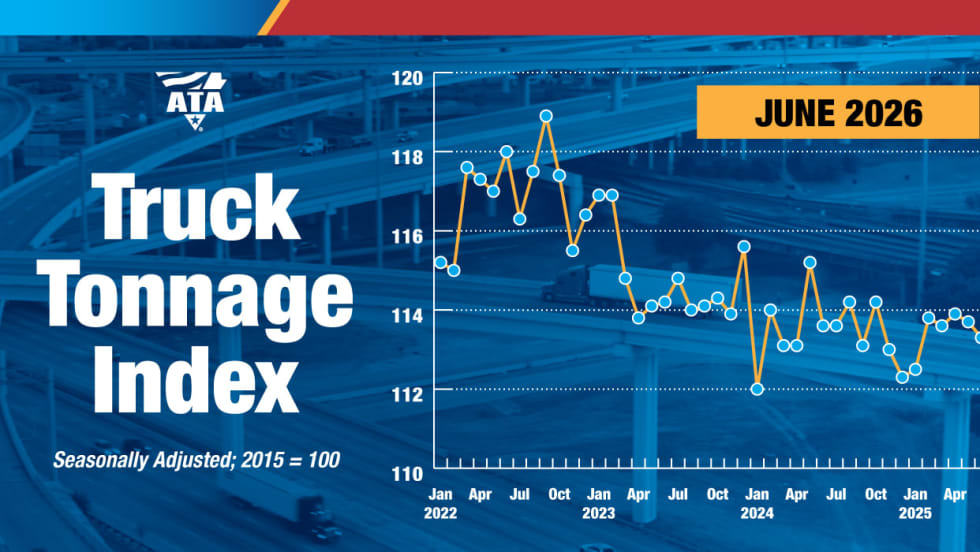
Freight Tonnage Down, Rates up, as Lower Capacity Powers Trucking Recovery
The recovery from the freight recession continues to be driven by reduction in capacity rather than by increased demand.
Read More →