




Economic Watch: Trucking Adds to U.S. Job Growth, Manufacturing Surges
The number of jobs created in the U.S. posted its sixth straight month of being above the 200,000 mark in July but the number was softer than the previous month’s level.


The number of jobs created in the U.S. posted its sixth straight month of being above the 200,000 mark in July but the number was softer than the previous month’s level.
Labor Department figures issued Friday show payrolls increased by 209,000 while the U.S. unemployment rate moved up one tenth of a percentage to 6.2%, as more people entered the labor market. This follows 298,000 jobs being added in June.
Figures for June and May were also revised upward showing 15,000 more jobs were created that reported earlier.
Over the past 12 months, the unemployment rate and the number of unemployed persons have declined by 1.1 percentage points and 1.7 million, respectively.
For-hire trucking added 2,300 jobs in July while the June figures was revised upward. The wider transportation and warehousing sector saw nearly 7,900 job additions while the June level was revised downward.
“While certainly welcomed improvement, from the Federal Reserve’s perspective it’s not just about the headline number, it is about the composition of jobs and whether or not an increase in the quality of employment is translating into wage pressures,” said Lindsey Piegza, Chief Economist for the investment firm Sterne Agee.
She pointed out in the latest Federal Open Market Committee statement, the Fed was optimistic regarding the recent improvement in the economy, as well as their expectations for growth going forward, but the biggest impediment to both the recovery and the Fed’s willingness to raise interest rates remains the “underutilization of labor market resources.”
“This morning’s employment report, looking beyond the headline number, continues to justify the Fed’s accommodative position. Despite headline employment growth, average hourly earnings remain stagnant, the augmented unemployment rate remains elevated and the participation rate is disappointingly low,” Piegza said.
Wall Street on Thursday was concerned about the jobs report due to fears that if unemployment was shown to be falling fast, it could cause the Federal Reserve to further taper its bond buying program and raise interest rates sooner than planned. This caused the stock market on Thursday to have one of biggest single-day drops of the year.
Meantime, a separate report, also issued Friday, shows economic activity in the manufacturing sector expanded in July for the 14th consecutive month, according the nation's supply executives, hitting its fastest pace since April 2011.
The Institute for Supply Management’s Purchasing Managers Index for July registered 57.1%, an increase of 1.8 percentage points from June's reading of 55.3%. A reading above 50% indicates expansion.
The New Orders Index registered 63.4%, an increase of 4.5 percentage points from the 58.9% reading in June, indicating growth in new orders for the 14th consecutive month. The Production Index registered 61.2%, 1.2 percentage points above the June reading of 60%. Employment grew for the 13th consecutive month, registering 58.2%, an increase of 5.4 percentage points over the June reading of 52.8 percent.
Comments from the panel were generally positive, while some indicated concern over global geopolitical situations."
Of the 18 manufacturing industries, 17 reported growth in July.
More Fleet Management
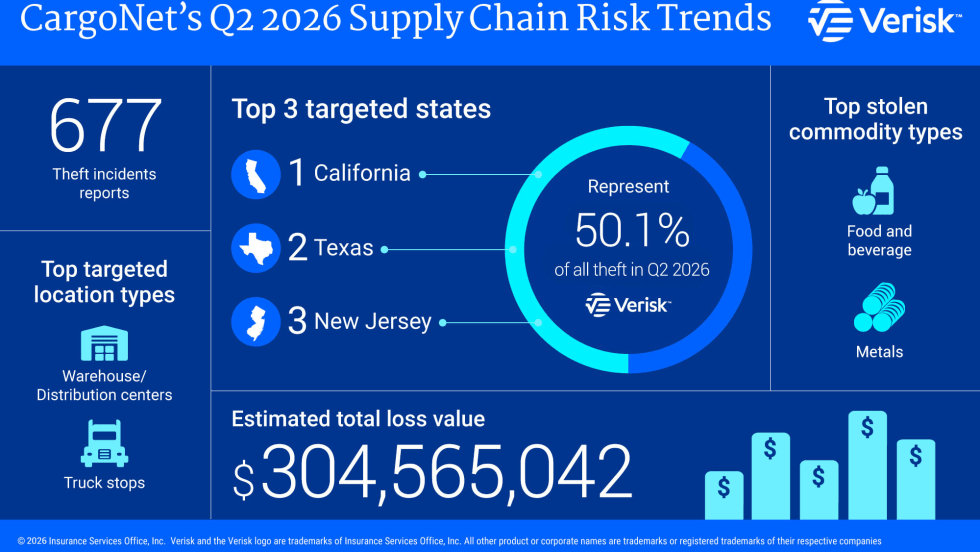
Fewer Cargo Thefts, Bigger Losses: Criminals Target Higher-Value Loads
CargoNet says organized theft rings are stealing fewer shipments but choosing more valuable freight, including metals and technology, resulting in record losses.
Read More →
How Innovative Trucking Leaders Turn Change Into an Advantage
As the pace of change accelerates in trucking, the fleets that adapt best have more than the latest technology. They have cultures that embrace improvement.
Read More →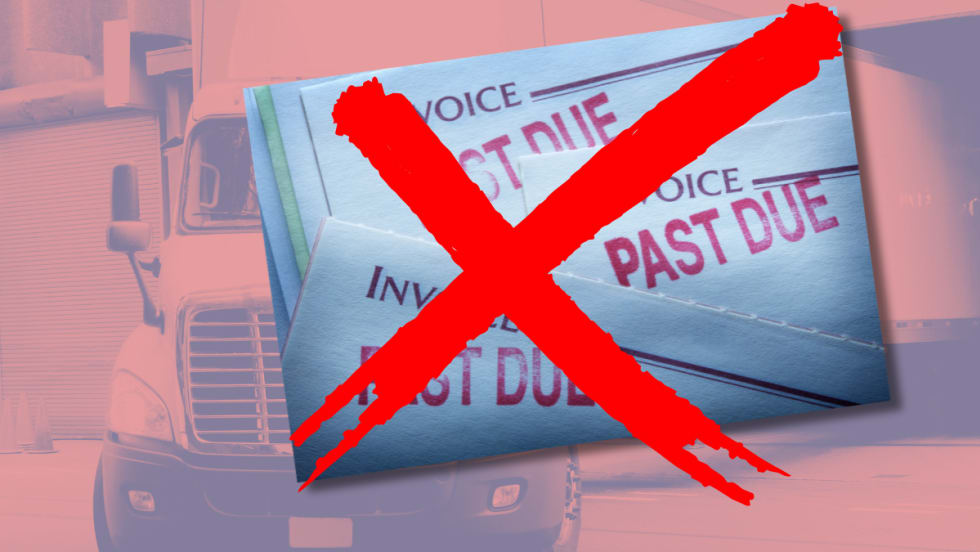
Freight Broker Bonds Just Got Harder to Get. Here's What That Means for Your Fleet.
When it gets harder for a freight broker to prove they are financially sound, the ones who cannot clear that bar get pushed out of the market. And those are exactly the brokers who used to leave motor carriers holding the bag.
Read More →
Long-Awaited Canadian Border Bridge to Open in Detroit
For trucking, the bridge opening should offer immediate improvements in efficiency and reliability, with new customs facilities, expanded inspection capacity, and direct freeway-to-freeway connections.
Read More →
Aurora Rolls Out Next Generation of Driverless Trucks for Commercial Freight
Aurora's latest autonomous trucks it's rolling out with International feature lower-cost hardware designed for a million miles as the company expands commercial driverless freight operations across the U.S. Sun Belt.
Read More →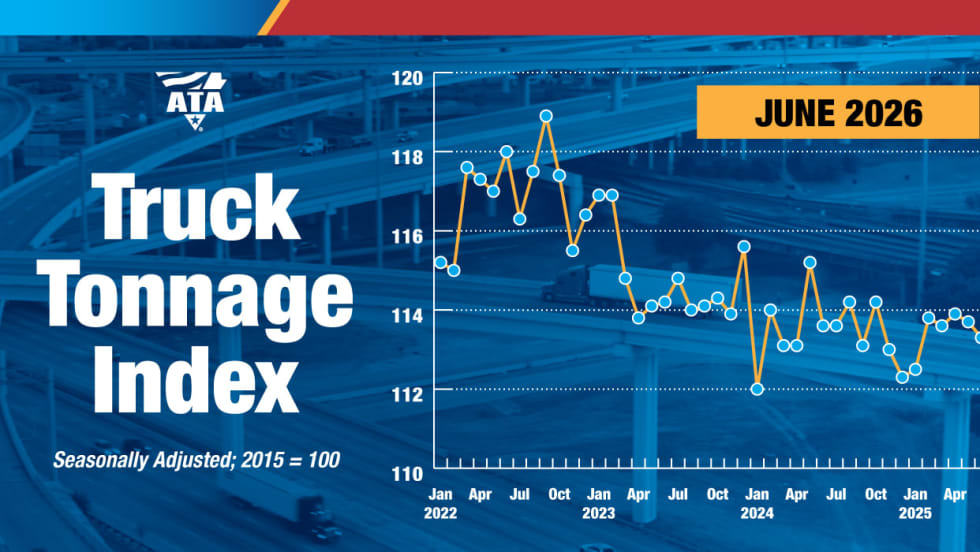
Freight Tonnage Down, Rates up, as Lower Capacity Powers Trucking Recovery
The recovery from the freight recession continues to be driven by reduction in capacity rather than by increased demand.
Read More →
Think Your Trucking Fleet Isn't Using Much AI? Think Again
Shadow AI — the use of unauthorized artificial intelligence tools at work — is becoming increasingly common, putting sensitive company data at risk. Learn how trucking fleets can protect sensitive data while embracing AI.
Read More →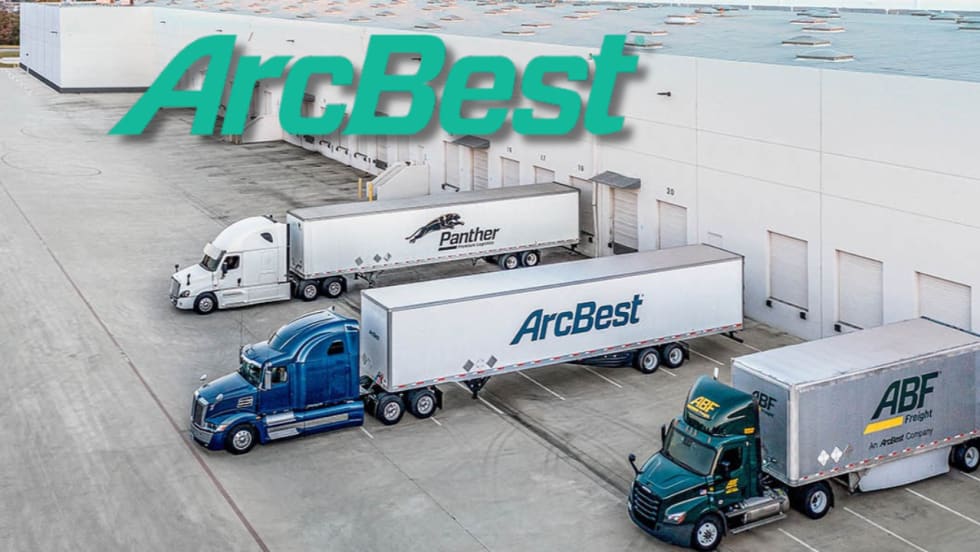
ArcBest Consolidates Brands, Cuts Workforce
The company will bring three business units under the ArcBest brand, eliminate about 2% of positions, and expects the changes to generate $40 million in annual savings.
Read More →
Trucking Fleets Faced Record Operating Costs During Third Year of Freight Recession
ATRI's annual operational cost report shows carriers trimmed fleets, delayed equipment purchases, and ran older trucks as expenses continued to outpace freight rates.
Read More →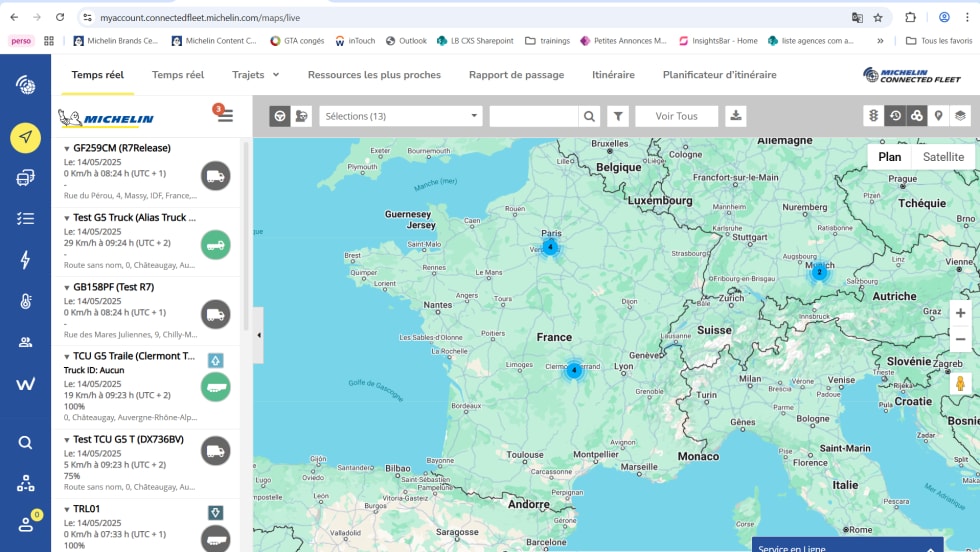
Michelin Adds AI Assistant to MyConnectedFleet Platform
Michelin’s new generative AI tool delivers instant fleet insights, helping managers analyze fuel use, tire maintenance, vehicle status, and operational performance without manually creating reports.
Read More →