




Economic Watch: Retail Prices Fall, Durable Goods Orders Up
Retail prices fell in January from the month before and from a year earlier, marking the first annual drop in more than five years.


Photo: Revisorweb via Wikimedia Commons

Retail prices fell in January from the month before and from a year earlier, marking the first annual drop in more than five years.
A new U.S. Labor Department report shows the Consumer Price Index declined 0.7% in January from December, the largest drop since December 2008. This follows a 0.3% drop in December and is the third straight decline.
Excluding volatile food and energy prices the “core” CPI gained 0.2% in January.
When January is compared to the same time in 2014, prices fell 0.1%, the first year-over-year decline since October 2009. When food and energy prices are excluded the CPI registered a 1.6% annual increase.
Not surprisingly, the report showed a 9.7% drop in energy prices from month-to-month and a 19.6% drop from a year earlier. The declines were even greater for gasoline alone.
Sterne Agee Chief Economist Linsey Piegza said Federal Reserve policy makers are closely watching inflation and more specifically, core inflation, to determine the underlying trend in prices.
“Policy makers need to be confident inflation is reversing course, back towards their longer term target of 2% before initiating liftoff [in short term interest rates], she said. “While this morning's consumer report does little to exacerbate disinflationary fears, there is also no reason for Federal Reserve Open Market Committee members to feel increasingly confident in a near-term reversal in inflation pressures.”
Meantime, a separate advance report from the Commerce Department shows shipments of factory made durable goods, items designed to last three years or more, fell in January while orders increased.
Shipments posted its third decline out of the past four months, falling 1.1% from December. A drop in transportation shipments led the decline, falling 1.7%, its second one in the past three months.
In contrast, new orders for manufactured durable goods increased 2.8% in January from December, its first gain out of the last three months. It was led by 9.1% hike in transportation orders, following two monthly drops. When transportation orders are excluded from the overall figure, the increase was just 0.3%.
New orders for nondefense capital goods, a sign of increasing business investments, jumped 9.5% in January from December while shipments of them added 1%. Excluding aircraft orders, the overall order increase was 0.6%.
“After months of weakness, business spending appears to be on somewhat firmer footing,” said Piegza. “Although, lower prices and a slowdown in manufacturing activity after quarters of inventory gains are likely to keep business investment under pressure.”
More Fleet Management

How Innovative Trucking Leaders Turn Change Into an Advantage
As the pace of change accelerates in trucking, the fleets that adapt best have more than the latest technology. They have cultures that embrace improvement.
Read More →
Freight Broker Bonds Just Got Harder to Get. Here's What That Means for Your Fleet.
When it gets harder for a freight broker to prove they are financially sound, the ones who cannot clear that bar get pushed out of the market. And those are exactly the brokers who used to leave motor carriers holding the bag.
Read More →
Long-Awaited Canadian Border Bridge to Open in Detroit
For trucking, the bridge opening should offer immediate improvements in efficiency and reliability, with new customs facilities, expanded inspection capacity, and direct freeway-to-freeway connections.
Read More →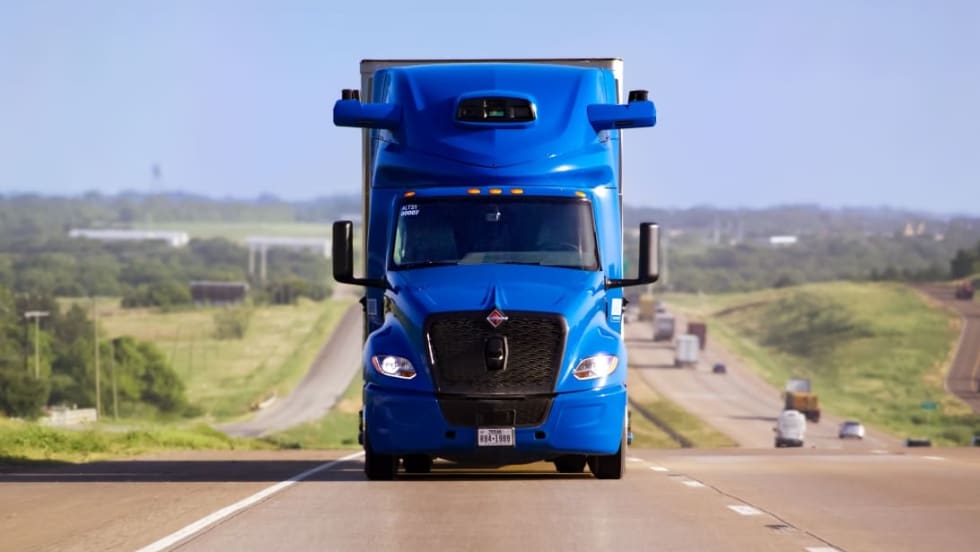
Aurora Rolls Out Next Generation of Driverless Trucks for Commercial Freight
Aurora's latest autonomous trucks it's rolling out with International feature lower-cost hardware designed for a million miles as the company expands commercial driverless freight operations across the U.S. Sun Belt.
Read More →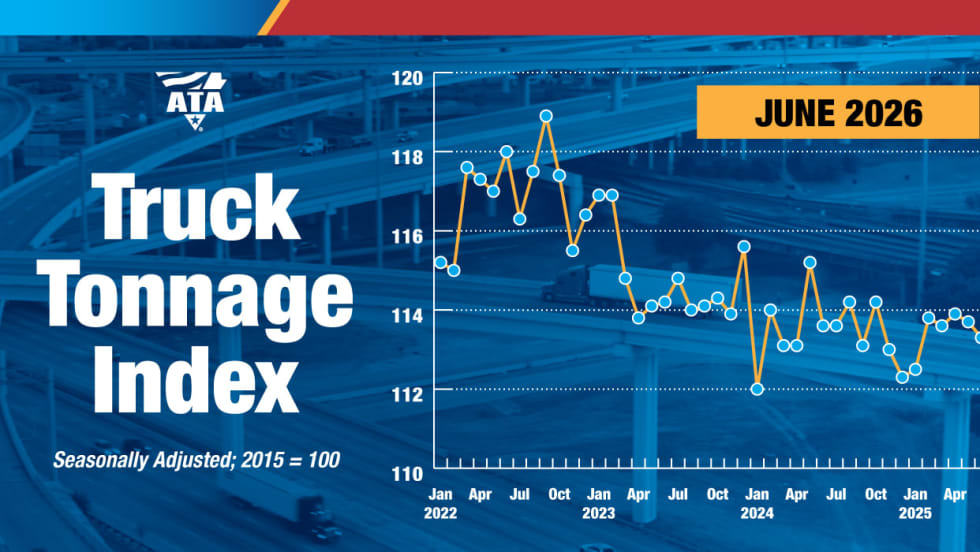
Freight Tonnage Down, Rates up, as Lower Capacity Powers Trucking Recovery
The recovery from the freight recession continues to be driven by reduction in capacity rather than by increased demand.
Read More →
Think Your Trucking Fleet Isn't Using Much AI? Think Again
Shadow AI — the use of unauthorized artificial intelligence tools at work — is becoming increasingly common, putting sensitive company data at risk. Learn how trucking fleets can protect sensitive data while embracing AI.
Read More →
ArcBest Consolidates Brands, Cuts Workforce
The company will bring three business units under the ArcBest brand, eliminate about 2% of positions, and expects the changes to generate $40 million in annual savings.
Read More →
Trucking Fleets Faced Record Operating Costs During Third Year of Freight Recession
ATRI's annual operational cost report shows carriers trimmed fleets, delayed equipment purchases, and ran older trucks as expenses continued to outpace freight rates.
Read More →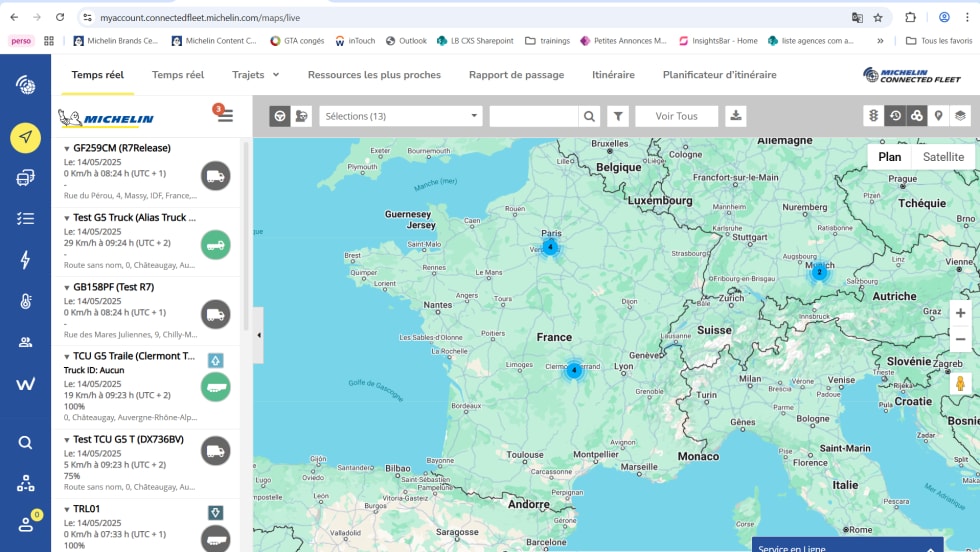
Michelin Adds AI Assistant to MyConnectedFleet Platform
Michelin’s new generative AI tool delivers instant fleet insights, helping managers analyze fuel use, tire maintenance, vehicle status, and operational performance without manually creating reports.
Read More →
LytxOne Platform Now Features AI, Compliance, and Asset Tracking Tools
New enhancements add AI-powered insights, asset tracking, compliance automation, and configurable privacy controls to Lytx's all-in-one fleet management platform.
Read More →