




Economic Watch: March Retail Sales Post Biggest Hike Since 2012
The 1.1% increase from the month before comes as February’s figures was revised upward from a 0.3% increase to a 0.7% gain, following declines in January and December.

Retail sales in the U.S. increased in March by its biggest margin since September 2012, according to a new Commerce Department Report.
The 1.1% increase from the month before comes as February’s figures was revised upward from a 0.3% increase to a 0.7% gain, following declines in January and December.
The increase was higher than a consensus forecast from economists.
Compared to a year ago the March retail sales level is 3.8% higher.
Helping to lead the increase was a 3.1% jump in auto sales form the month before, the best gain since September 2012, while sales at general merchandise stores increased 1.9%, the best hike since March 2007 and before the Great Recession.
Total retail sales minus autos was 0.3% higher in March than in February, the biggest increase in more than a year.
“After months of winter weather slowing consumer's ability to spend out in the market place, there appears to be somewhat of a spring rebound in goods spending. But while a welcomed sign, we expect this rebound to be short lived as consumers weren't just confined to their homes but busy spending elsewhere from December to February, most notably on healthcare services and utilities,” said Lindsey Piegza, chief economist at the investment firm Sterne Agee.
“With premiums on the rise and families struggling to combat the cold, consumers were forced to cut back on goods consumption for service purchases,” she said. “Hardly a trend of across-the-board growth in consumption indicative of a strong consumer, with goods purchases on the rise, service spending is then likely to proportionately suffer on the flip side.”
Other analysts were more bullish on the report with one saying it is evidence the “economy is bouncing back” after a downturn during a severe winter.
More Fleet Management
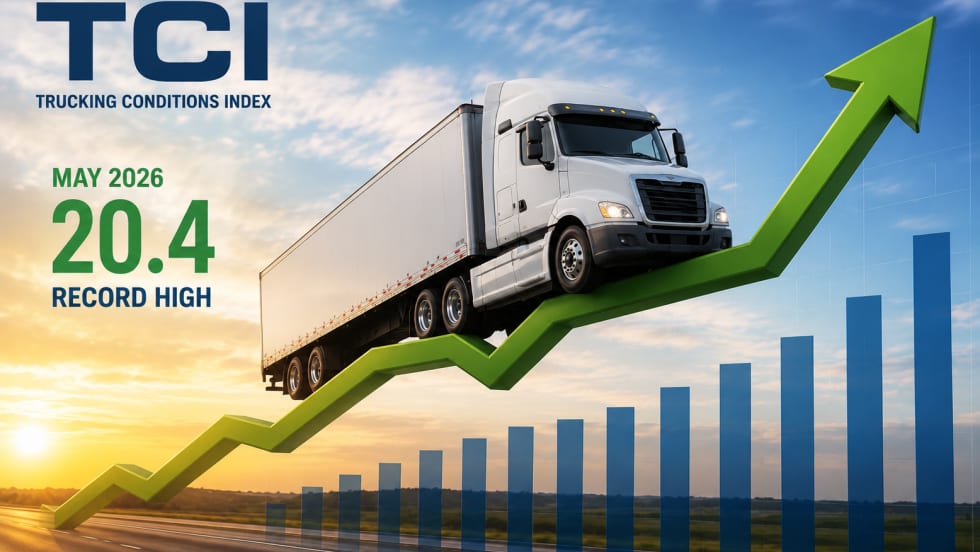
FTR Says Freight Rates Surged in May
FTR's Trucking Conditions Index surged to a record high in May, the analytics firm reports.
Read More →
Meet HDT's Truck Fleet Innovators at Heavy Duty Trucking Exchange
Heavy Duty Trucking Exchange brings fleet managers and suppliers together for the deeper conversations that lead to ideas, partnerships, and solutions. Time is running out to apply for HDTX, September 23-25.
Read More →
Enhance Fleet Performance with High-Efficiency Auxiliary Power Units
Drive sustainable cost savings while increasing driver comfort during short- and long-haul logistics operations.
Read More →
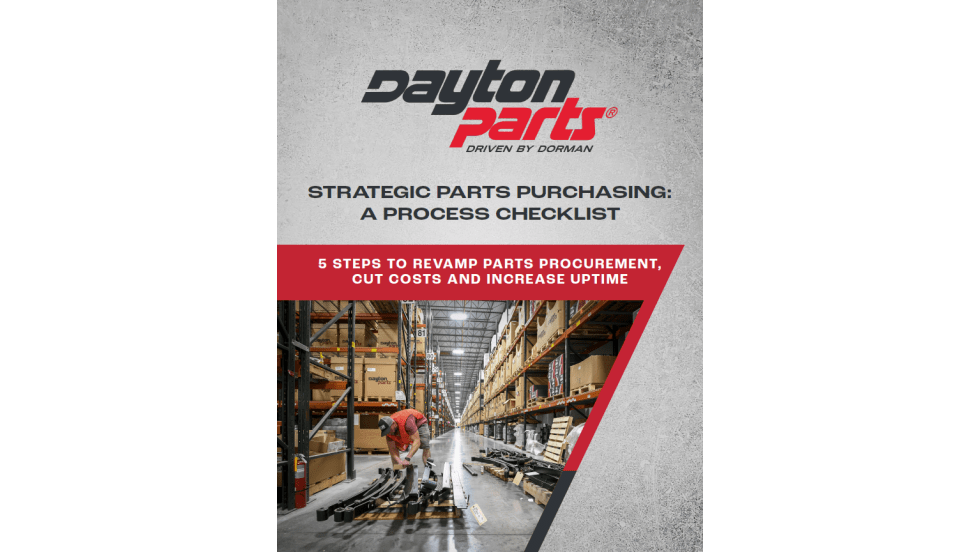
Is Your Parts Procurement Process Reactive or Proactive?
Ready to revamp your parts procurement process? Learn how now with “Strategic Parts Purchasing: A Process Checklist”
Read More →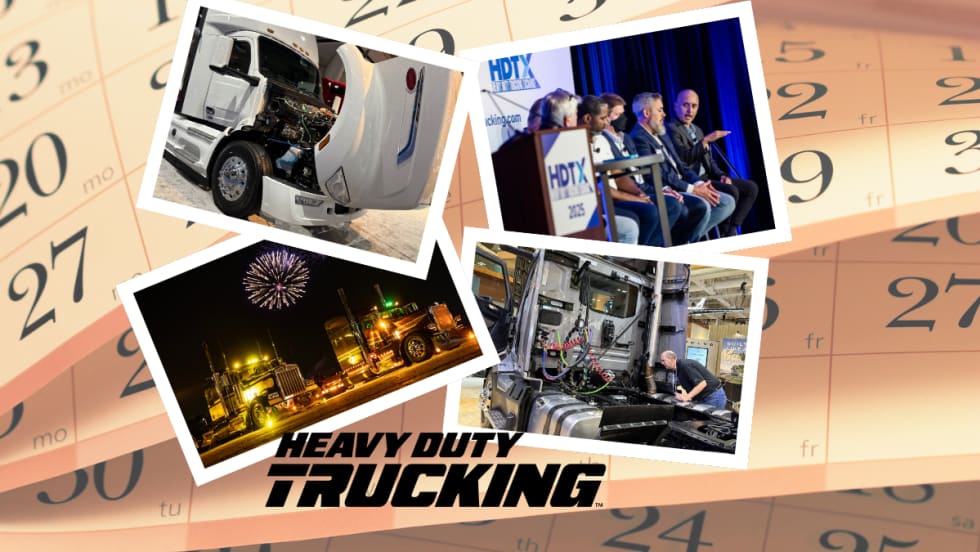
What Trucking Events are Happening in 2026?
Looking for trucking-related conventions, expos, and other events? Heavy Duty Trucking has developed this list of national and larger regional trucking shows and events.
Read More →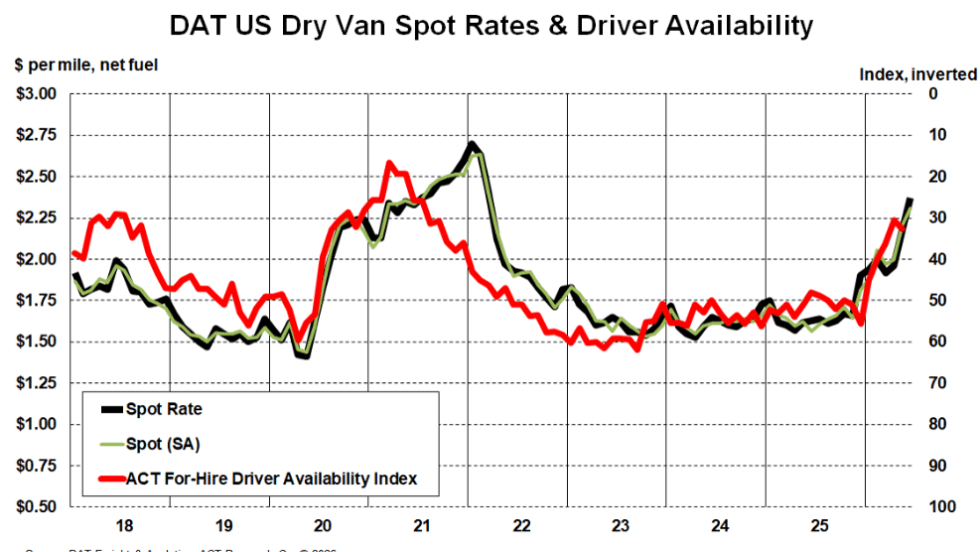
Truckload Rates Keep Rising as Tight Capacity Fuels Freight Market Recovery
Spot and contract rates continued climbing in May and June, not because freight demand is surging, but because fewer trucks and drivers are available.
Read More →
What Geotab's New AI Connector Means for Fleets
Fleets can now ask their usual AI assistants questions about maintenance, safety, fuel use, and vehicle performance, using their live Geotab data, and take action on the answers without leaving their preferred AI tool.
Read More →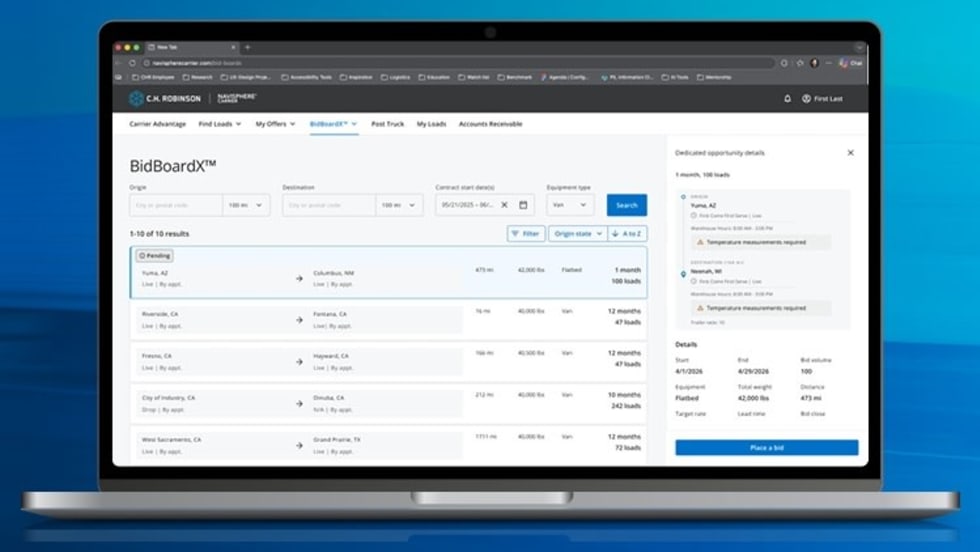
New C.H. Robinson Tool Opens Door to More Predictable Freight
BidBoardX lets carriers search, bid on, and secure committed freight opportunities through a single digital marketplace.
Read More →
New York City's Microhub Project is Delivering Results
Trucking, last-mile delivery companies, and environmental advocates like what they are seeing so far with New York's microhub program.
Read More →
Why Truck Detention Keeps Costing Fleets Time and Money
A 2024 ATRI study found detention affects nearly 40% of truckload stops and costs the industry more than $15 billion annually. Despite the toll on drivers, fleets, and supply chains, the problem remains stubbornly persistent.
Read More →