




Consumers now believe that global economic trends can directly influence their own job and wage prospects as well as indirectly via financial markets.
Economic Watch: GDP Revised Upward, Consumer Sentiment Declines
The U.S. economy performed better in the second quarter of the year than earlier thought, according to a new Commerce Department report Friday, leaving some wondering if this puts the Federal Reserve closer to raising interest rates.

Evan Lockridge・Former Business Contributing Editor
3 min to read
The U.S. economy performed better in the second quarter of the year than earlier thought, according to a new Commerce Department report Friday, leaving some wondering if this puts the Federal Reserve closer to raising interest rates.
The gross domestic product (GDP), which measures the total output of goods services, increased at an annual rate of 3.9%. That compares to a 3.7% report a month ago and the July advance estimate of 2.7%.
Helping to push the GDP higher was annual consumer spending growth being raised from 3.1% to 3.6%, with residential construction increasing at a 9.3% pace and nonresidential building increasing 6.1% annually.
Despite this overall gain, thanks to weakness in the first three months of the year, growth in the first half of 2015 remains on track at a modest 2.2% trend pace established at the end of the Great Recession.
Where do we go from here?
According to Federal Reserve Chair Jane Yellen's comments Thursday at the University of Massachusetts, the Federal Open Market Committee remains committed to the likelihood of a rate increase this year should the economy continue to improve markedly, believing inflation will begin to reverse course and meet their target of 2% in the medium-term.
However, that may be too optimistic, according to on analyst.
Stifel Fixed Income Chief Economist Lindsey Piegza points out the latest report from the Atlanta Federal Reserve suggests third quarter growth is likely to be a large disappointment, coming in around an annual rate of 1.5%, significantly below the Fed's expectations for "further improvement.”
“The lackluster reality of the data will likely be enough to snuff out any ‘confidence’ in further underlying momentum in growth and inflation, and keep the Fed sidelined beyond their proposed timetable of 2015,” she said. “After all, whether interpreted as a dovish or hawkish speech yesterday, the takeaway remains the same; the expectation of a rate increase still this year is based on model projections of growth and recovery in the economy, and individual committee nembers expectations.”
However, Piegza said, the actual pathway of rates will depend on the actual data and evaluation of the data, which is uncertain.
“Plain and simple, heightened expectations have kept the market guessing for years, but it is the underperformance of the U.S. economy that has kept the Fed sidelined,” she said.
Adding to concerns about where the economy is headed in the current quarter is that a new and separate report shows consumers’ feelings going a bit south.
The University of Michigan Survey of Consumer’s Index of Consumer Sentiment fell 5.1% to 84.6 this month. It's up only 3.1% from the same time a year ago.
The decline in optimism continued to narrow in late September as consumers increasingly concluded that the stock market declines had more to do with international conditions than the domestic economy, according to Surveys of Consumers Chief Economist Richard Curtin.
“While the September Sentiment Index was at the lowest level in 11 months, it was still higher than in any prior month since May 2007,” he said. “To be sure, a raft of recent events have been viewed as negative economic indicators by consumers, including falling commodity prices, weakened Chinese and other economies as well as continued stresses on European countries. Although most believe the domestic economy is still largely insulated, they have lowered the pace of job and wage growth that they now anticipate.”
Survey measures of consumer’s current economic conditions as well as their expectations also moved lower compared to August, but are still up slightly from a year earlier.
Curtin said the true significance of these findings is not the diminished economic prospects, but that consumers now believe that global economic trends can directly influence their own job and wage prospects as well as indirectly via financial markets.
“While now small, the influence of the global economy is certain to rise in the future and prompt widespread adjustments by consumers and policy makers,” he said.
More Fleet Management
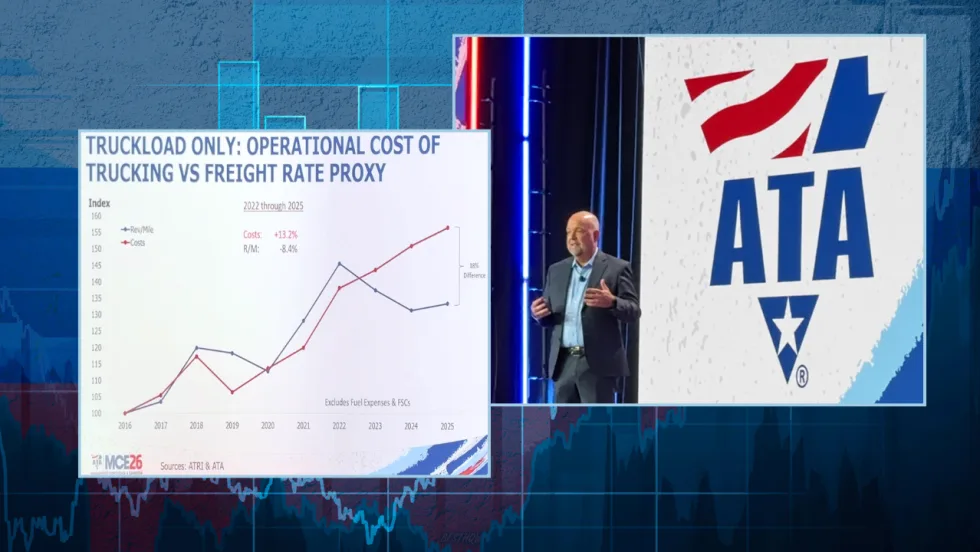
Why This Trucking Recovery Is Different
Freight demand remains sluggish, but rising costs and tougher enforcement have taken enough capacity out of the market to change the outlook for motor carriers.
Read More →
Platform Science Adds Dispatch and Safety Tools
Four additions to PS Fleet help fleets monitor loads, manage driver coaching, share truck locations and adjust video system settings.
Read More →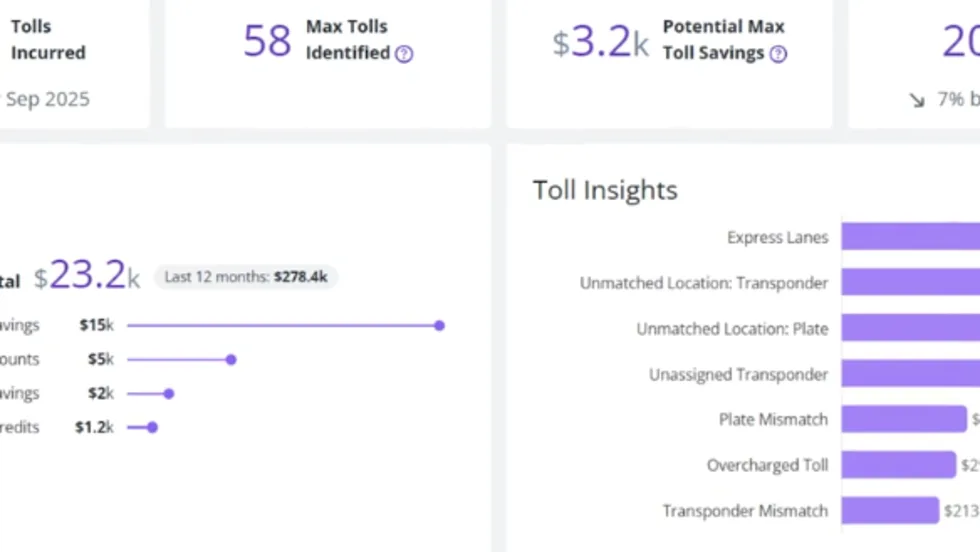
PrePass Intelligence Mines Fleet Bypass, Toll and Safety Data
PrePass Intelligence helps fleets measure bypass savings, flag potential toll overcharges, and spot suspicious transactions by combining data from separate systems.
Read More →
Motive Adds AI Agents for Fleet Operations
New tools automate follow-up on fleet data, from maintenance work orders to driver alerts, with two-way voice conversations planned for later this year.
Read More →
Can You Beat Our Trucking Trivia Challenge?
Test your truck knowledge with 19 trivia questions from Heavy Duty Trucking Exchange. Can you keep up with the fleet pros?
Read More →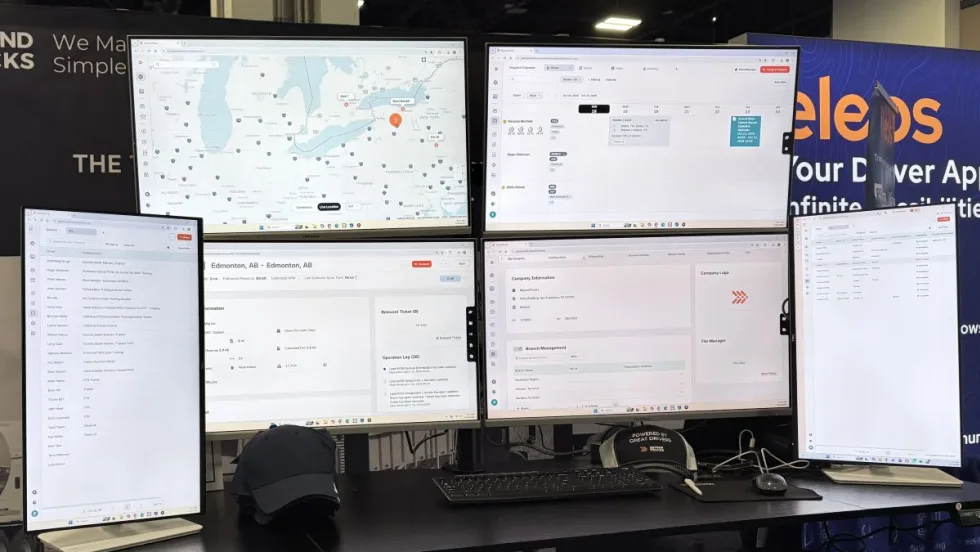
BeyondTrucks Adds Rules Checks to Dispatch
New Compatibility Engine checks driver qualifications, equipment requirements and fleet policies before loads are dispatched.
Read More →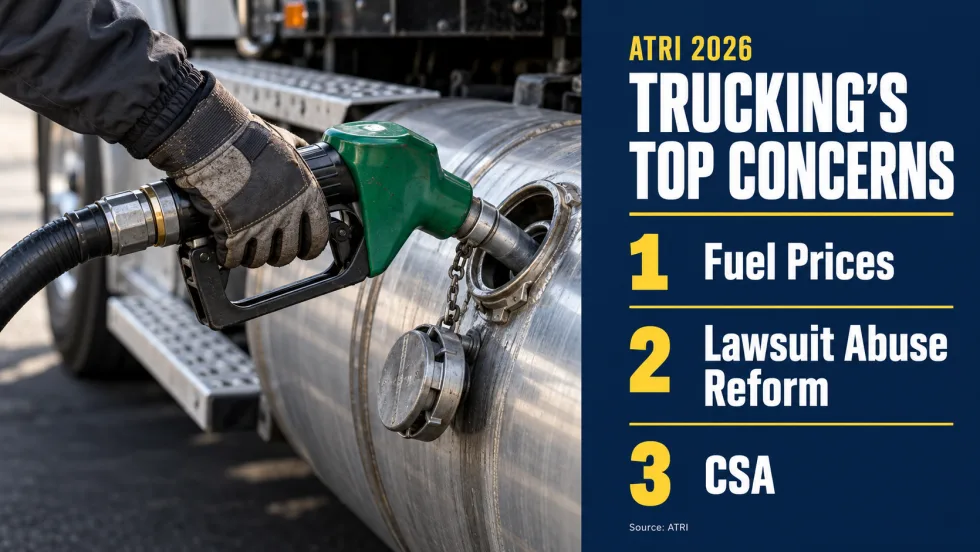
Diesel Prices Hijack Trucking’s Worry List
ATRI’s annual survey finds cautious optimism about freight, but diesel costs, litigation, and insurance continue to squeeze fleets. Drivers have different priorities on several issues.
Read More →
Nomination Deadline Extended for HDT Emerging Leaders
Just a few more days to nominate accomplished trucking fleet professionals under 40 who are making an impact and helping lead the industry forward for the HDT Emerging Leaders award. Deadline extended to October 20!
Read More →
What Will ATA’s New Leader Bring to Trucking's Table?
Incoming President and CEO Mark Colson’s record in Alabama offers clues about his priorities and approach following Chris Spear’s abrupt departure as the head of the American Trucking Associations.
Read More →
Volvo, Waabi Start Commercial Autonomous Operations in Texas
Volvo VNL Autonomous trucks, powered by the Waabi Driver, are hauling freight directly to third-party facilities for a customer in Texas.
Read More →