




Economic Watch: GDP Posts Biggest Drop Since Great Recession
UPDATED -- The U.S. economy shrank at its steepest rate in the first quarter of the year since first quarter of 2009, amid the Great Recession, according to a new estimate from the Commerce Department.
UPDATED -- The U.S. economy shrank at its steepest rate in the first quarter of the year since first quarter of 2009, amid the Great Recession, according to a new estimate from the Commerce Department.
The 2.9% annual decline in the gross domestic product compares to an estimated drop of 1% a month ago, but the setback is believed to be only temporary with reports of hearty economic growth in the current quarter following a harsh winter.
Much of the downward revision reflected a drop in healthcare spending along with a larger trade deficit that previously estimated.
This most recent number in this measurement of the nation's total output of goods and services follows the GDP posting an annual growth rate of 2.6% in the final quarter of 2014.
Many analysts see this downturn as short lived, pointing to the winter weather that slowed commerce and point to figures in the current quarter that indicate the economy is performing better.
"The revision to first-quarter GDP was sizable, to say the least, suggesting activity had not just halted at the start of the year but plunged over an enormous cliff, hitting each rocky edge on the way down," said Lindsey Piegza, chief economist at the investment firm Sterne Agee. "Clearly the economy now must attempt to dig itself out from an even larger hole than previously expected, making the relative rebound in February and March, if you can call that a rebound, appear that much more lackluster in comparison."
From the Federal Reserve's standpoint, this morning's disappointment further justifies tits recent decision to maintain their accommodative stance, and furthermore, downgrade their near-term outlook for growth, she said.
"Recall at the June meeting; the Fed lowered its growth forecast from 2.8% to 3.0% to 2.1% to 2.3% for 2014. Although, given the near 3% decline at the start of the year, the economy would have to rebound at a near 4% GDP pace for the remaining three quarters in order to reach even the Fed's new, lowered growth outlook," Piegza said. "In other words, the Fed's forecast is likely to overshoot (again) a more lackluster reality, a realization that will continue to keep the Fed on hold. After all, the dot-plot showing heightened expectations for a near-term rate hike is based on the Fed's overly optimistic longer-term growth forecasts, while monetary policy is based on a more sobering reality."
Meantime, a separate report shows continue strength when it comes to shipments and new orders for manufactured durable goods.
According to the U.S. Commerce Department shipments posted their fourth consecutive gain in May, adding 0.3% from the month before, hitting its highest level on record going back to 1992.
In contrast new orders for manufactured durable goods fell 1% during the same time, following an April gain of 0.8%, which was the third consecutive monthly hike. Transportation orders fell 3% following three monthly increases. Excluding transportation, new orders increased in April by 0.1%. When defense orders are excluded the increase is 0.6%.
Update adds Lindsey Piegza analysis.
More Fleet Management
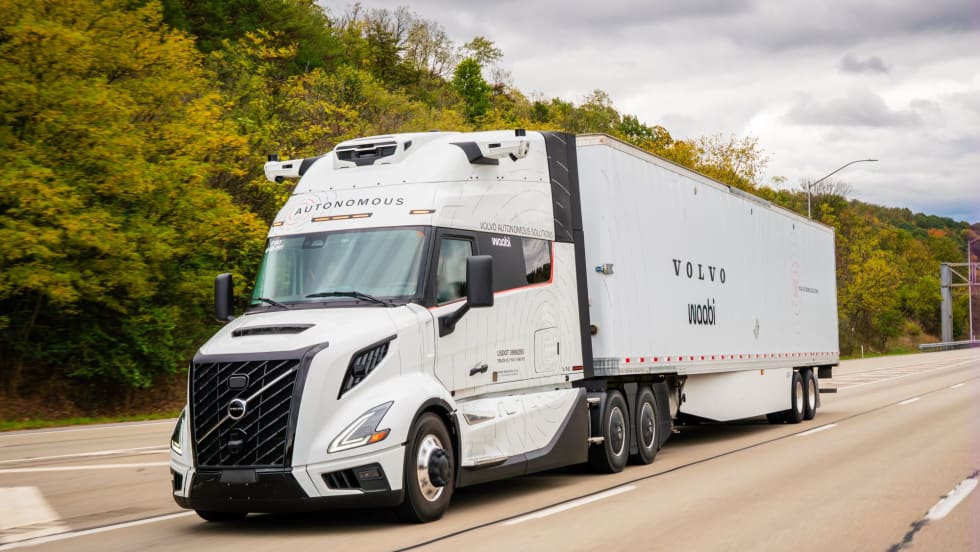
Volvo, Waabi Start Commercial Autonomous Operations in Texas
Volvo VNL Autonomous trucks, powered by the Waabi Driver, are hauling freight directly to third-party facilities for a customer in Texas.
Read More →
Samsara Launches Custom AI Agent Builder
Agent Studio lets fleets create AI tools for hours-of-service monitoring, reporting and driver support, including agents that communicate by phone.
Read More →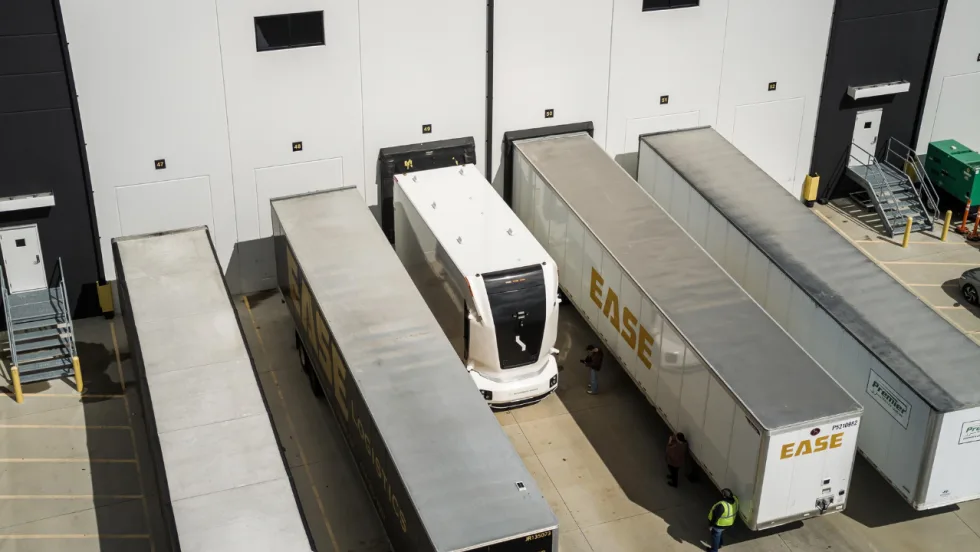
Einride Driverless Electric Trucks Begin Daily Freight Operations in Ohio
Two cabless electric trucks are hauling freight between EASE Logistics facilities in Marysville, Ohio, as part of a multi-state truck automation project.
Read More →
Geotab Links Fleet Card to Vehicle Data
The new card combines fuel discounts with telematics-based purchase controls. Geotab’s analysis also points to potential savings from choosing lower-priced fuel stops.
Read More →
How MFA Helps Protect Trucking Fleets
Multi-factor authentication adds protection when passwords are stolen. Here’s how it works and where fleets should start.
Read More →
How Better Freight Data Helps Trucking Teams Get Ahead of Disruption
Trucking and logistics teams have plenty of data. The problem is getting the right information in front of the right people soon enough to act. Better-connected data can help teams spot trouble earlier and make smarter decisions before small problems become big ones.
Read More →
Trimble: Taking Artificial Intelligence in Trucking Beyond Faster Tasks
At Insight 2026, Trimble executives argued that fleets may need to redesign workflows to get more from AI as it introduced new products and enhancements. AI’s value will depend on how fleets combine automation with their people's knowledge.
Read More →
Build a bulletproof fleet: Uniting ELDs and dash cams for total compliance
An ELD can prove compliance, but it cannot always prove what happened on the road. Discover how uniting accurate ELD data with AI-powered dash cam video can help your fleet strengthen compliance, defend against liability, protect drivers and reduce operational costs.
Read More →
Nominations Open for HDT Emerging Leaders
Heavy Duty Trucking is looking for accomplished trucking fleet professionals under 40 who are making an impact and helping lead the industry forward.
Read More →
Why Private Fleets Are Taking More Freight
Private fleets are putting their own trucks on demanding customers and high-cost lanes as companies seek greater control over service, costs, and capacity.
Read More →