




Economic Watch: Fed Further Reduces Stimulus Program
The U.S. Federal Reserve on Wednesday announced it would further reduce a stimulus program for the nation’s economy and is leaving interest rates unchanged.

The U.S. Federal Reserve on Wednesday announced it would further reduce a stimulus program for the nation’s economy and is leaving interest rates unchanged.
It will cut its $55 billion monthly bond-buying program, known as quantitative easing, back another $10 billion. This will be the third cut the Fed has made since announcing late last year it was tapering this program that was originally $85 billion per month.
Also, in a surprise move, it is removing a target of a 6.5% for unemployment before raising interest rates. Currently the unemployment rate is at 6.7%.
“In determining how long to maintain the current zero to 0.25% target range for the Federal Funds rate (the interest rate banks charge to lend money to one another), the committee will assess progress--both realized and expected--toward its objectives of maximum employment and 2% inflation,” it said in a statement.
“In other words, a 6.7% unemployment rate will be judged in the context of the participation rate, the workweek, the augmented unemployment rate, all of which have shown markedly less improvement and paint a much more dire picture of labor market conditions,” said Linsey Piegza, chief economist with the investment firm Sterne Agee.
She notes the Fed also reiterated that it is likely to maintain the current target range on the Federal Funds rate for a “considerable time” after an end of quantitative easing, especially if inflation continues to run below the committee’s target.
“The Fed recognizes that part of their challenge is to convince the market that an end of quantitative easing is not an end of accommodation, continuing to highlight the extended period expected between an end of monthly bond purchases and the first Fed Funds rate hike,” Piegza said
She believes even after both employment and inflation targets are met, the Fed will continue to asses economic conditions from a broader lens and may or may not continue to keep accommodation in place.
“The committee currently anticipates that, even after employment and inflation are near mandate-consistent levels, economic conditions may, for some time, warrant keeping the target federal funds rate below levels the Committee views as normal in the longer run,” said the Federal Reserve.
"In other words, in terms of the timeline for the first fed rate hike, 2015 can become 2016 or beyond pretty easily," said Piegza.
You can read the Fed’s detailed comments about its actions and its views on current economic conditions on its website.
More Fleet Management
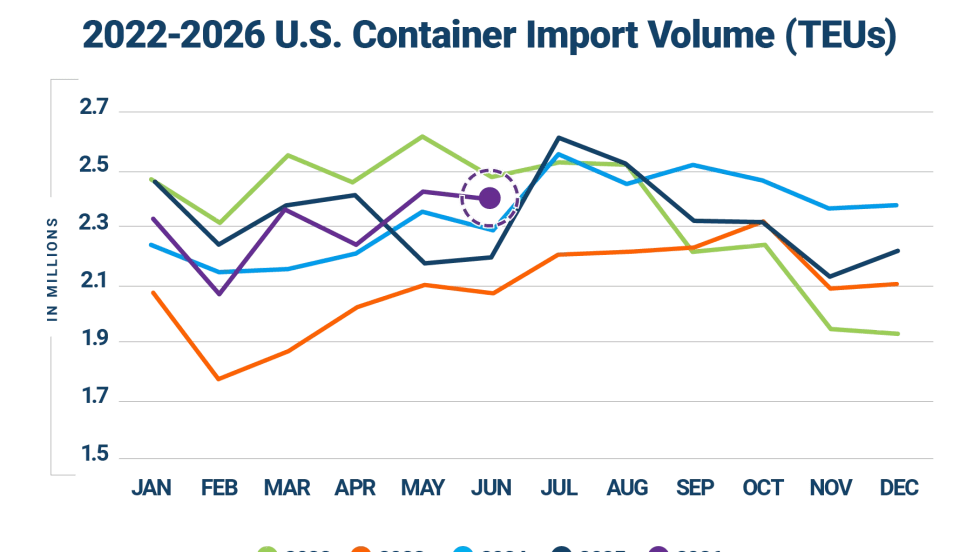
Import Cargo’s Early Peak Season is Winding Down
There was an early start to peak season this year at the nation's gateway ports, as retailers brought in merchandise ahead of tariff changes in late July and responded to other supply chain uncertainties,
Read More →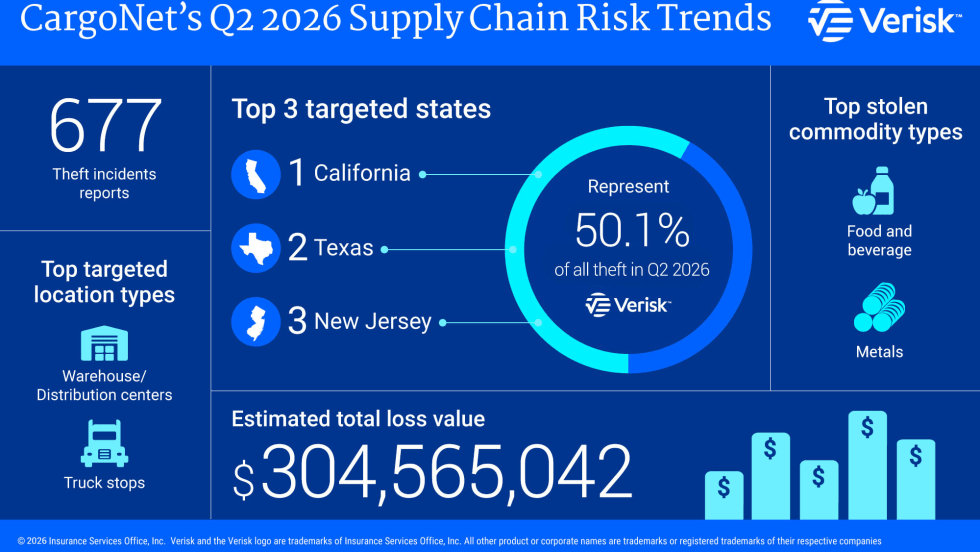
Fewer Cargo Thefts, Bigger Losses: Criminals Target Higher-Value Loads
CargoNet says organized theft rings are stealing fewer shipments but choosing more valuable freight, including metals and technology, resulting in record losses.
Read More →
How Innovative Trucking Leaders Turn Change Into an Advantage
As the pace of change accelerates in trucking, the fleets that adapt best have more than the latest technology. They have cultures that embrace improvement.
Read More →
Freight Broker Bonds Just Got Harder to Get. Here's What That Means for Your Fleet.
When it gets harder for a freight broker to prove they are financially sound, the ones who cannot clear that bar get pushed out of the market. And those are exactly the brokers who used to leave motor carriers holding the bag.
Read More →
Long-Awaited Canadian Border Bridge to Open in Detroit
For trucking, the bridge opening should offer immediate improvements in efficiency and reliability, with new customs facilities, expanded inspection capacity, and direct freeway-to-freeway connections.
Read More →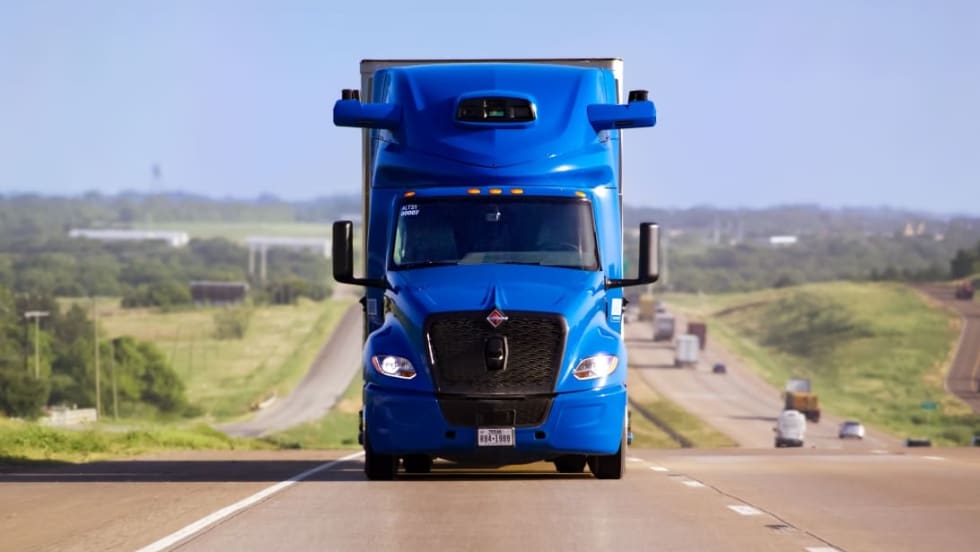
Aurora Rolls Out Next Generation of Driverless Trucks for Commercial Freight
Aurora's latest autonomous trucks it's rolling out with International feature lower-cost hardware designed for a million miles as the company expands commercial driverless freight operations across the U.S. Sun Belt.
Read More →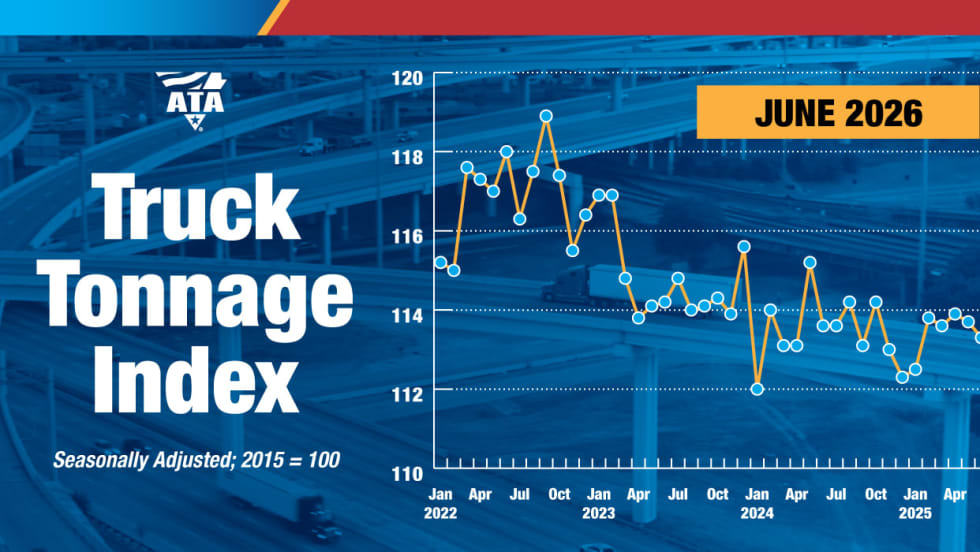
Freight Tonnage Down, Rates up, as Lower Capacity Powers Trucking Recovery
The recovery from the freight recession continues to be driven by reduction in capacity rather than by increased demand.
Read More →
Think Your Trucking Fleet Isn't Using Much AI? Think Again
Shadow AI — the use of unauthorized artificial intelligence tools at work — is becoming increasingly common, putting sensitive company data at risk. Learn how trucking fleets can protect sensitive data while embracing AI.
Read More →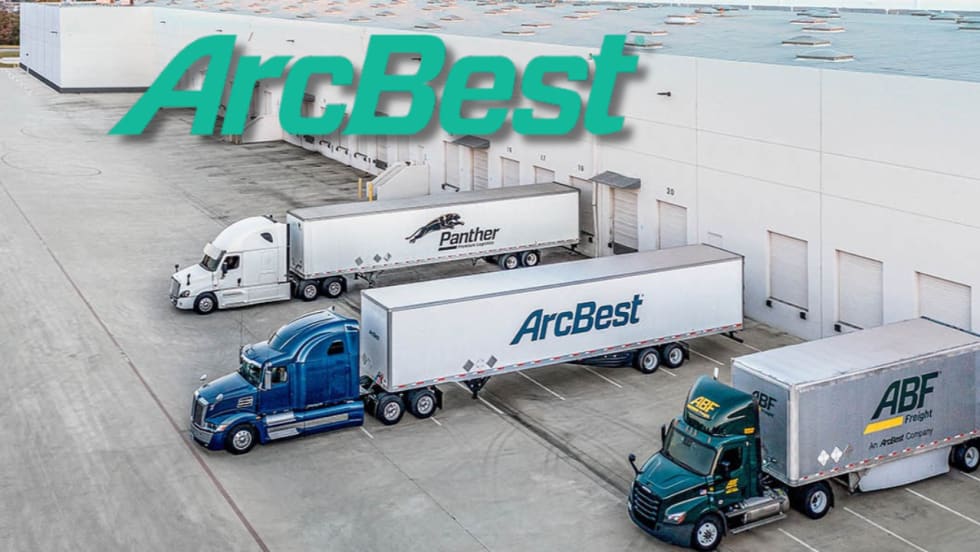
ArcBest Consolidates Brands, Cuts Workforce
The company will bring three business units under the ArcBest brand, eliminate about 2% of positions, and expects the changes to generate $40 million in annual savings.
Read More →
Trucking Fleets Faced Record Operating Costs During Third Year of Freight Recession
ATRI's annual operational cost report shows carriers trimmed fleets, delayed equipment purchases, and ran older trucks as expenses continued to outpace freight rates.
Read More →