




Economic Watch: Cyber Monday Sets Online Shopping Records
The Monday after Thanksgiving, nicknamed Cyber Monday, was the largest online shopping day in history for U.S. retailers, with $6.59 billion worth of goods sold – a 16.8% increase from the year before.

Evan Lockridge・Former Business Contributing Editor

3 min to read
The Monday after Thanksgiving, nicknamed Cyber Monday, was the largest online shopping day in history for U.S. retailers, with $6.59 billion worth of goods sold – a 16.8% increase from the year before.
Adobe Analytics, which measures 80% of the online transactions from 100 of the largest major U.S. retailers, also reported overall web traffic to retail sites increased by 11.9% on Cyber Monday, with the season average at 5.7%.
Mobile device use for shopping set a new record, representing 47.4% of visits (39.9% smartphones, 7.6% tablets) and 33.1% of revenue (24.1% smartphones, 9% tablets). .Smartphone traffic grew 22.2% year-over-year. Revenue coming from smartphones, which totaled $1.59 billion, saw 39.2% growth year-over-year, a new all-time high. (Story continues below.)
Mobile transactions are closing at a 12% higher rate than Cyber Monday 2016. For purchases made on smartphones, Apple iOS led with an average order value of $123, in comparison to Google Android at $110.
Shopping and buying on smartphones is becoming the new norm and can be attributed to continued optimization in the retail experience on mobile devices and platforms, according to Mickey Mericle, vice president of marketing and customer insights at Adobe.
“Consumers are also becoming more savvy and efficient online shoppers. People increasingly know where to find the best deals and what they want to purchase, which results in less price-matching behavior typically done on desktops,” Mericle said. “Millennials were likely another reason for the dramatic growth in mobile, with 75% expecting to shop via their smartphone."
The holiday shopping season so far, from Nov. 1 through Nov. 27, has driven a total of $50 billion in online revenue. Adobe predicts this will be the first-ever holiday season to break $100 billion in online sales.
The figures were released the same day as one from a retail industry group that showed from Thanksgiving Day through Cyber Monday, more than 174 million Americans shopped in stores and online, beating the 164 million estimated shoppers from an earlier survey by the National Retail Federation (NRF).
Average spending per person over the five-day period was $335.47, with $250.78, or 75%, specifically going toward gifts. The biggest spenders were older Millennials, those 25-34 years old, at $419.52.
“From good weather across the country to low unemployment and strong consumer confidence, the climate was right, literally and figuratively, for consumers to tackle their holiday shopping lists online and in stores,” said NRF President and CEO Matthew Shay.
Retailers’ technology investments paid off, with consumers shopping on all platforms through the long weekend. The survey found that more than 64 million shopped both online or in stores. In addition, more than 58 million shopped only online, and more than 51 million shopped only in stores.
The multichannel shopper spent $82 more on average than the online-only shopper, and $49 more on average than those shoppers who only shopped in stores.
The most popular day for in-store shopping was Black Friday, cited by 77 million consumers, followed by Small Business Saturday, with 55 million consumers. The top two days that consumers shopped online were Cyber Monday with more than 81 million and Black Friday with more than 66 million. In addition, 63% of smartphone owners used their mobile devices to make holiday decisions, and 29% used their phones to make actual purchases, according to NRF.
More Fleet Management
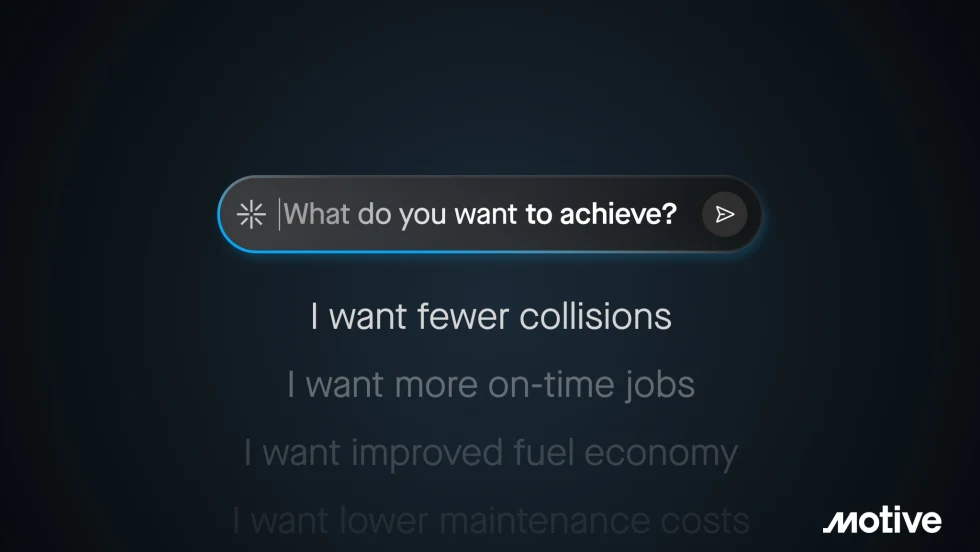
Motive Adds AI Agents for Fleet Operations
New tools automate follow-up on fleet data, from maintenance work orders to driver alerts, with two-way voice conversations planned for later this year.
Read More →
Can You Beat Our Trucking Trivia Challenge?
Test your truck knowledge with 19 trivia questions from Heavy Duty Trucking Exchange. Can you keep up with the fleet pros?
Read More →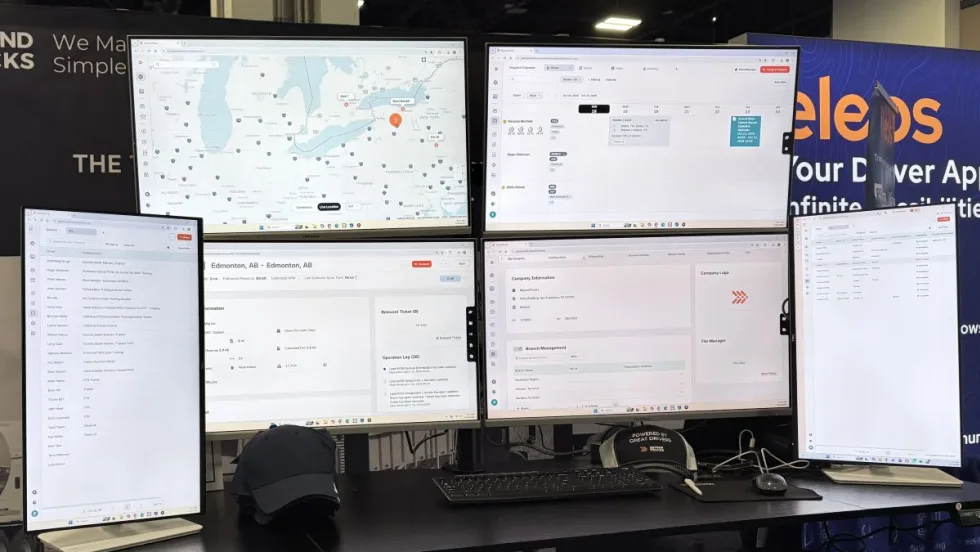
BeyondTrucks Adds Rules Checks to Dispatch
New Compatibility Engine checks driver qualifications, equipment requirements and fleet policies before loads are dispatched.
Read More →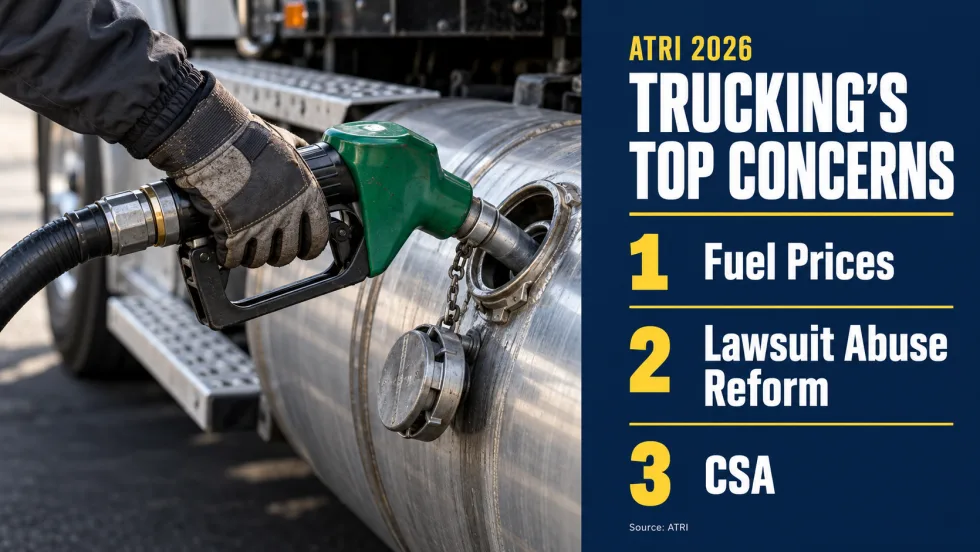
Diesel Prices Hijack Trucking’s Worry List
ATRI’s annual survey finds cautious optimism about freight, but diesel costs, litigation, and insurance continue to squeeze fleets. Drivers have different priorities on several issues.
Read More →
Nomination Deadline Extended for HDT Emerging Leaders
Just a few more days to nominate accomplished trucking fleet professionals under 40 who are making an impact and helping lead the industry forward for the HDT Emerging Leaders award. Deadline extended to October 20!
Read More →
What Will ATA’s New Leader Bring to Trucking's Table?
Incoming President and CEO Mark Colson’s record in Alabama offers clues about his priorities and approach following Chris Spear’s abrupt departure as the head of the American Trucking Associations.
Read More →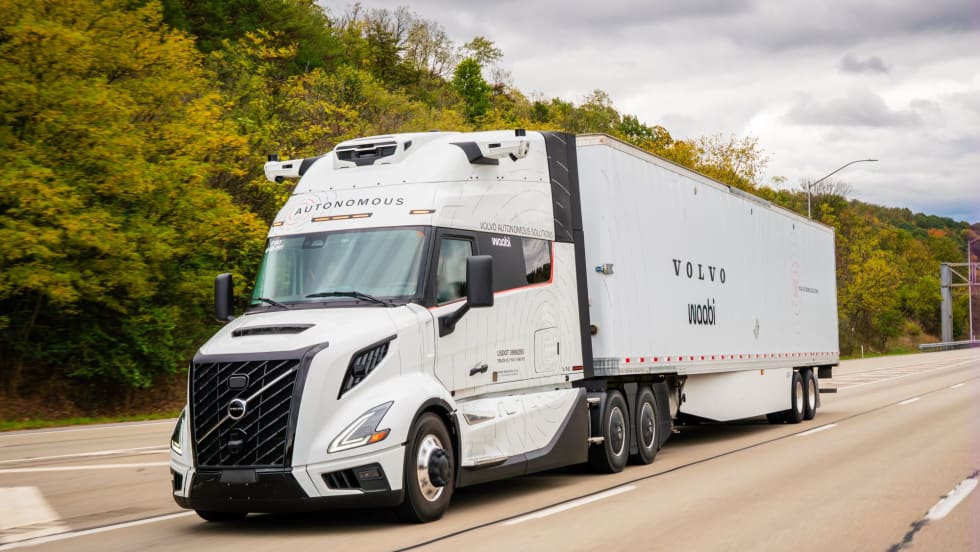
Volvo, Waabi Start Commercial Autonomous Operations in Texas
Volvo VNL Autonomous trucks, powered by the Waabi Driver, are hauling freight directly to third-party facilities for a customer in Texas.
Read More →
Samsara Launches Custom AI Agent Builder
Agent Studio lets fleets create AI tools for hours-of-service monitoring, reporting and driver support, including agents that communicate by phone.
Read More →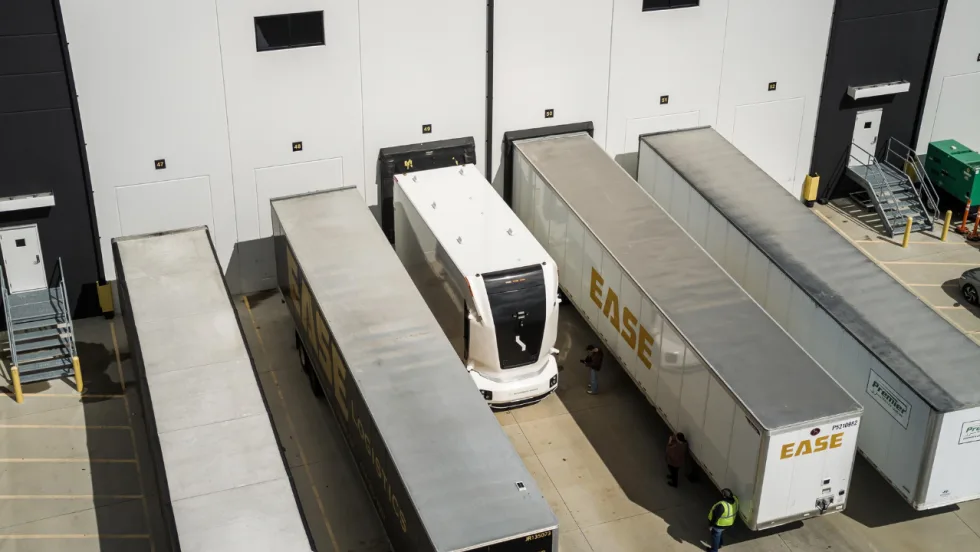
Einride Driverless Electric Trucks Begin Daily Freight Operations in Ohio
Two cabless electric trucks are hauling freight between EASE Logistics facilities in Marysville, Ohio, as part of a multi-state truck automation project.
Read More →
Geotab Links Fleet Card to Vehicle Data
The new card combines fuel discounts with telematics-based purchase controls. Geotab’s analysis also points to potential savings from choosing lower-priced fuel stops.
Read More →