




Eaton Vehicle Group Names New Head
João V. Faria has been appointed president of Eaton’s vehicle group, effective May 1. He will succeed Kenneth F. Davis, who will retire on Aug. 1.

João V. Faria Photo: Eaton

João V. FariaPhoto: Eaton
João V. Faria has been appointed president of Eaton’s vehicle group, effective May 1, the company announced. He will succeed Kenneth F. Davis, who will retire on Aug. 1.
Faria will be responsible for the company’s vehicle business, which manufactures engine air management, traction control, fluid conveyance, and powertrain products for commercial and passenger vehicles. He will report to Uday Yadav, chief operating officer, industrial sector.
Davis has served as president of the vehicle group since 2011. From May 1 until his retirement in August, he will work on strategic initiatives for the industrial sector.
“João’s deep knowledge of our vehicle businesses coupled with his broad Eaton experience in both hydraulics and electrical make him an ideal candidate to lead our team at a time when our industry is undergoing significant change,” said Yadav. “João’s international experience and knowledge of blended power will be a real asset as we position the Vehicle Group for an exciting future.”
Faria joined Eaton in 1987 and was appointed to his current dual role in 2013, leading the electrical business in Latin America and serving as the corporate president for South and Central America. Prior to those roles, Faria was president of Eaton’s hydraulics business for the Americas.
He originally joined the company as a materials engineer at the Valinhos, Brazil truck plant. He then held quality, manufacturing, and management roles within the truck transmission operations.
Faria has also served as general manager of the light and medium duty transmission operations in Brazil; general manager of valve actuation for the automotive business’ engine air management operations; vice president and general manager of engine air management operations; president of powertrain and specialty controls operations, and president of vehicle group, EMEA.
Faria holds master’s degrees in engineering and business administration from the University of São Paulo, Brazil, and a degree in materials engineering from São Carlos Federal University, Brazil.
More Equipment
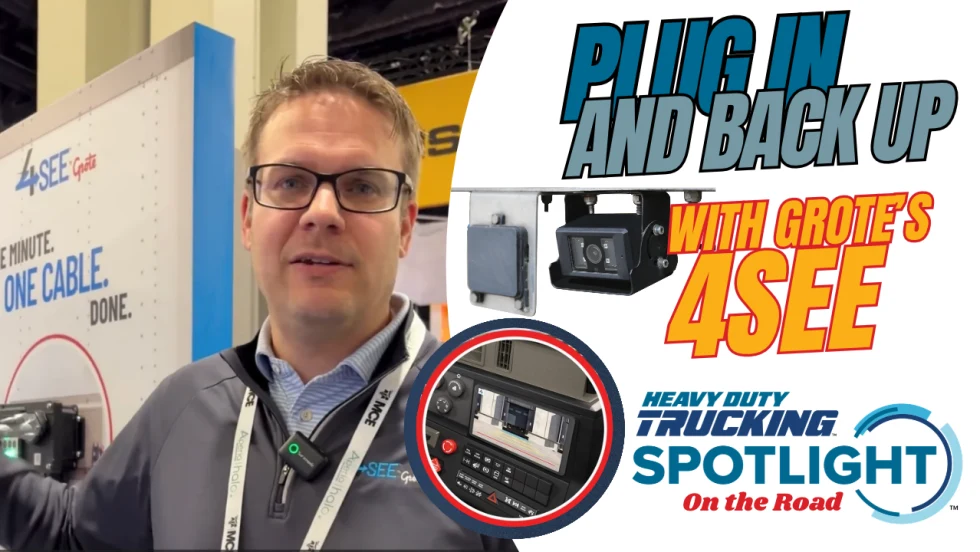
More Trailer Data Through the Same Seven-Way [Video]
Can trucking’s standard seven-way connector handle more cameras and trailer data? Grote’s Adam Slade shows HDT how the company is using new technology with its 4See trailer system, not only to add a new backup camera but also to expand other capabilities — without adding another connection.
Read More →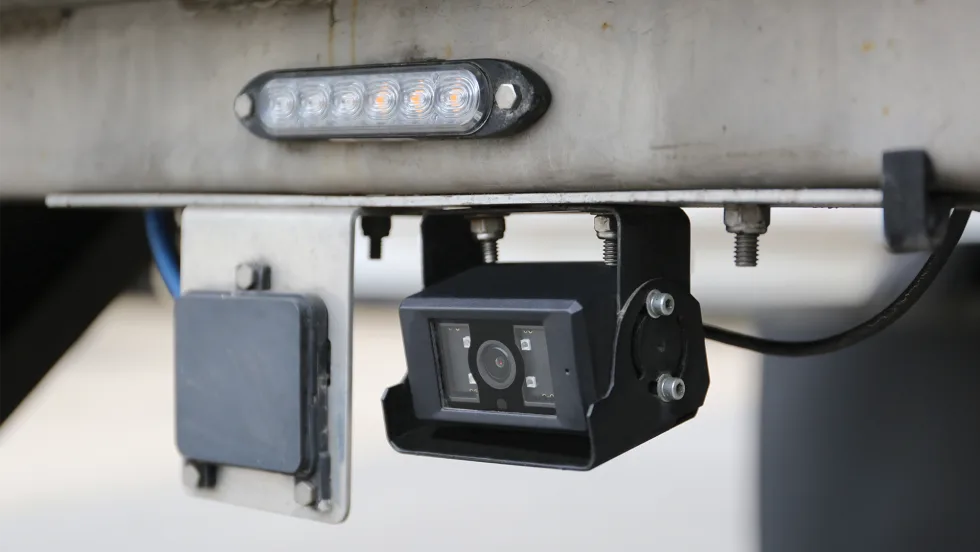
Grote: More Cameras, Same Seven-Way Connector
The next-generation 4See rear-view backup camera from Grote uses the standard seven-way connector and supports additional cameras and other trailer data.
Read More →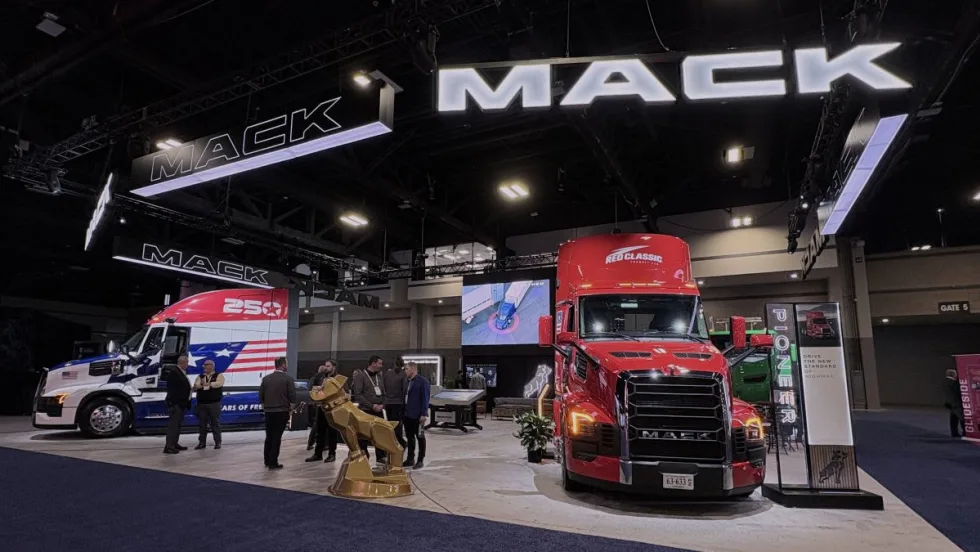
Trucks at ATA's 2026 MC&E in Charlotte, North Carolina [Photos]
From rigs decked out in patriotic America's 250 paint schemes to autonomous trucks and more, check out these photos from ATA's 2026 Management Conference & Exhibition.
Read More →
Help HDT Find Trucking’s Top Products
Have you come across a new product that could make a difference for trucking fleets? Nominate it for HDT’s 2027 Top 20 Products Awards by November 9.
Read More →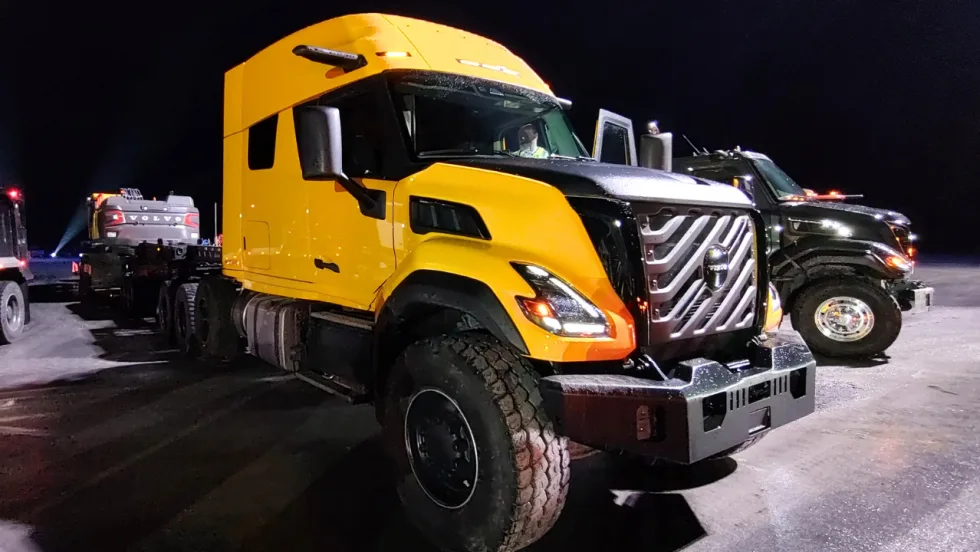
Volvo Unveils New VNX Heavy-Haul and Vocational Truck
Volvo Trucks has launched the VNX, a new vocational truck also available as a tractor in day cab and two sleeper configurations, with one heavy-haul model. The Volvo VNX is powered by Volvo's D13 platform, which delivers up to 540 horsepower and 1,950 pound-feet of torque and is EPA 2027-compliant.
Read More →
How GP Transco Cuts Trucking Fuel Costs, a Tenth of a Gallon at a Time
What’s another tenth of a mile per gallon worth? GP Transco shares how equipment upgrades and driver coaching turn small gains into meaningful fuel savings.
Read More →
Electric Yard Tractors Move Beyond Pilots
Operating-cost savings have overtaken sustainability goals as the leading reason surveyed fleets are adopting battery-electric terminal tractors, according to new NACFE research.
Read More →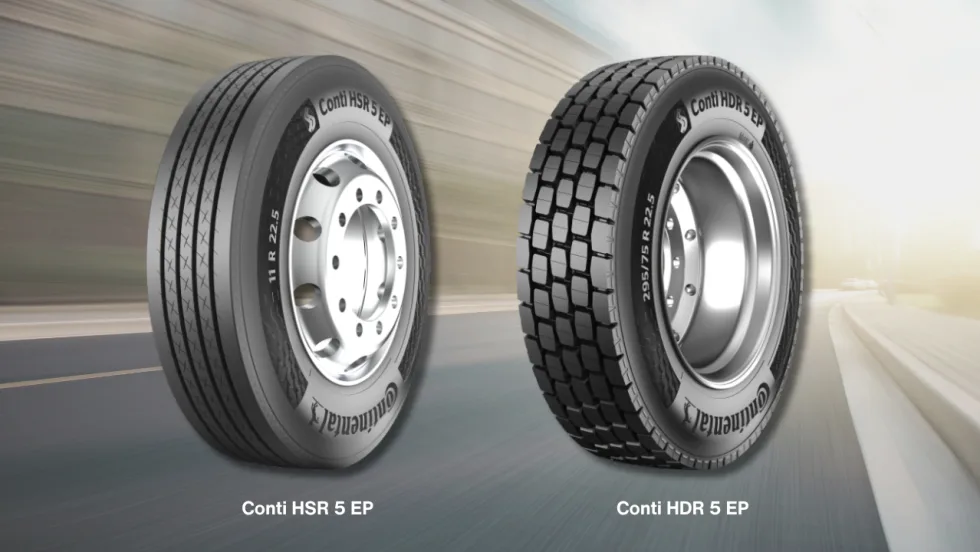
Continental Introduces New Regional Truck Tires
Continental says its new Generation 5 steer and drive tires for regional operations offer longer tread life, with estimated mileage gains of 22% and 19%, respectively.
Read More →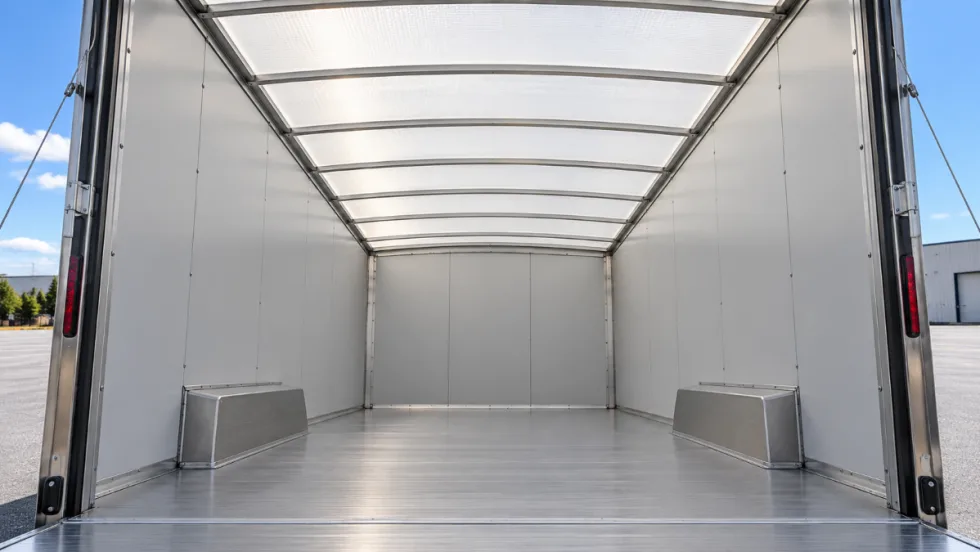
Tekmodo Introduces CargoBright Brand for Translucent Trailer Roofs
CargoBright is designed to diffuse daylight across the cargo area while performing as a working vehicle roof.
Read More →
Fleet Economics Shape Electric Truck Outlook
ACT Research expects costs, charging infrastructure, and technology improvements to drive zero-emission commercial vehicle adoption as federal regulations and incentives retreat.
Read More →