




Earnings Watch: J.B. Hunt Third Quarter Profit Slips
Profits for multi-modal freight transportation provider J.B. Hunt Transport Services fell a little more than 8% in the third quarter of the year despite increased revenue, with increased driver recruiting and retention costs part of the reason.


Profits for multi-modal freight transportation provider J.B. Hunt Transport Services fell a little more than 8% in the third quarter of the year despite increased revenue, with increased driver recruiting and retention costs part of the reason.
The Arkansas-based company reported net earnings of $100.4 million, or 91 cents per share, compared to $109.4 million a year earlier, or 97 cents per share. The per share performance in the most recent quarter was 5 cents less than analysts were expecting.
Total operating revenue for the third quarter was $1.84 billion, compared with $1.69 billion for the third quarter 2016.
Operating income for the current quarter totaled $165 million compared to $183 million for the third quarter 2016, primarily due to increases in driver wages and recruiting costs, increased rail purchase transportation rates, higher insurance and claims costs, increased legal and consulting costs, higher equipment maintenance costs and acquisition and integration costs incurred by its purchase of Special Logistics Dedicated (SLD) LLC that closed during the quarter.
The company’s intermodal segment saw revenue increase 8% during the quarter to $1.05 billion, while operating income declined 7% to $109.1 million despite a 6% increase in overall freight volume.
The network disruption caused from hurricanes Harvey, Irma and Maria limited the company’s ability to handle approximately 5,500 loads in the period, according to J.B. Hunt.
The period ended with approximately 87,000 units of trailing capacity and 5,500 power units assigned to the dray fleet.
J.B. Hunt's dedicated segment reported $438 million in revenue, up 11% from a year earlier, as operating income was $42.9 million, an 18% decline.
Productivity, measured as revenue per truck per week, increased by approximately 2% compared to the same time in 2016.
Increased revenue from better integration of assets between customer accounts and customer rate increases was partially offset by lower productivity at new contracts implemented during the current quarter, according to the company.
A net additional 1,024 revenue-producing trucks, 621 net additions sequentially from second quarter 2017 including 328 acquired in the SLD purchase, were in the fleet by the end of the quarter. Approximately 63% of these additions represent private fleet conversions versus traditional dedicated capacity services, J.B Hunt said.
The company’s brokerage operation, known as Integrated Capacity Solutions (ICS), reported $269 million in revenue, a 16% increase, while operating income fell 14% to $7.3 million.
Revenue per load increased 17% from increased spot market activity while load volumes decreased 1% compared to the third quarter 2016.
The segment’s gross profit margin was flat at 12.8% compared to the prior year, as continued compression of gross margins in contractual business offset improvements in spot market gross margins, according to the company. Also, higher year-over-year technology development costs and a higher number of branches open less than two years more than offset the increased revenue compared to a year ago.
J.B. Hunt's truck segment reported a 5% decline in revenue, totaling $93 million while operating income increased 12% to $5.7 million.
Revenue excluding fuel surcharge decreased 6%, primarily from a 7% decrease in load count from third quarter 2016, according to the company. Revenue per load increased approximately 1% due to a 4% increase in rates per loaded mile offset by a 3% decrease in length of haul compared to a year ago.
It also reported that comparable contractual customer rates were flat compared to the same period in 2016.
At the end of the period, the truck segment operated 2,040 tractors compared to 2,183 a year ago.
According to the company, operating income in the truck segment moved higher due to favorable changes from higher rates per loaded mile, lower insurance and lower claims costs. These were partially offset by increased driver wages and independent contractor costs per mile, a decrease in fleet size, lower tractor utilization from an increase in unseated trucks, and higher equipment maintenance costs compared to third quarter 2016.
More Fleet Management
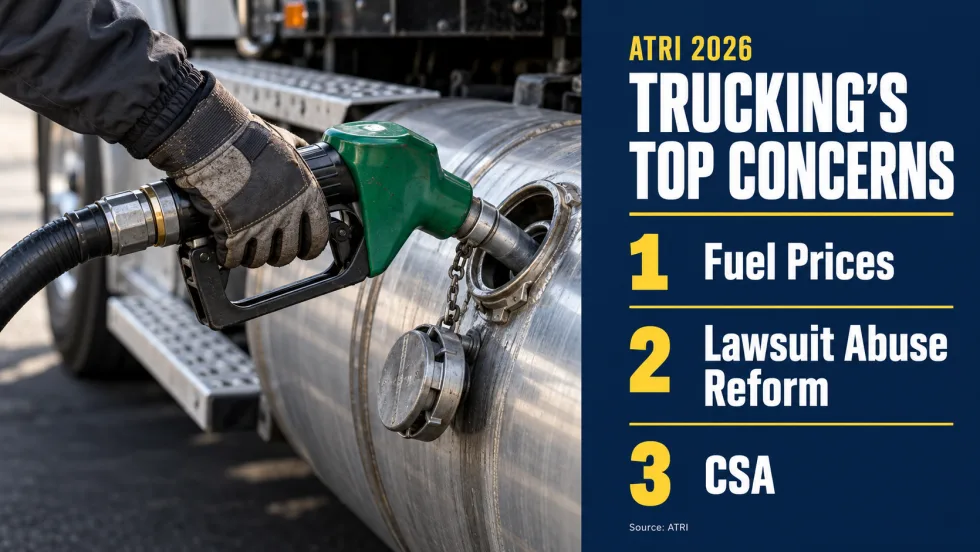
Diesel Prices Hijack Trucking’s Worry List
ATRI’s annual survey finds cautious optimism about freight, but diesel costs, litigation, and insurance continue to squeeze fleets. Drivers have different priorities on several issues.
Read More →
Nomination Deadline Extended for HDT Emerging Leaders
Just a few more days to nominate accomplished trucking fleet professionals under 40 who are making an impact and helping lead the industry forward for the HDT Emerging Leaders award. Deadline extended to October 20!
Read More →
What Will ATA’s New Leader Bring to Trucking's Table?
Incoming President and CEO Mark Colson’s record in Alabama offers clues about his priorities and approach following Chris Spear’s abrupt departure as the head of the American Trucking Associations.
Read More →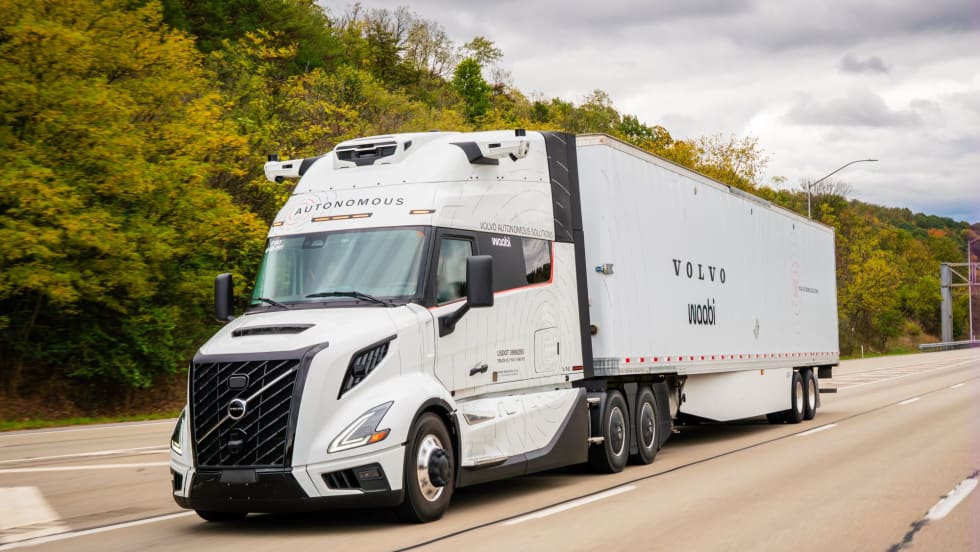
Volvo, Waabi Start Commercial Autonomous Operations in Texas
Volvo VNL Autonomous trucks, powered by the Waabi Driver, are hauling freight directly to third-party facilities for a customer in Texas.
Read More →
Samsara Launches Custom AI Agent Builder
Agent Studio lets fleets create AI tools for hours-of-service monitoring, reporting and driver support, including agents that communicate by phone.
Read More →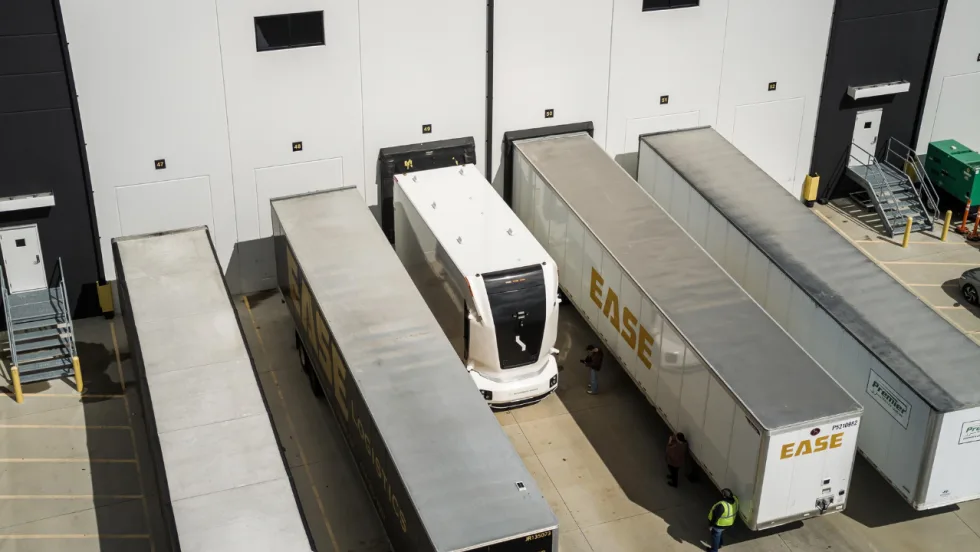
Einride Driverless Electric Trucks Begin Daily Freight Operations in Ohio
Two cabless electric trucks are hauling freight between EASE Logistics facilities in Marysville, Ohio, as part of a multi-state truck automation project.
Read More →
Geotab Links Fleet Card to Vehicle Data
The new card combines fuel discounts with telematics-based purchase controls. Geotab’s analysis also points to potential savings from choosing lower-priced fuel stops.
Read More →
How MFA Helps Protect Trucking Fleets
Multi-factor authentication adds protection when passwords are stolen. Here’s how it works and where fleets should start.
Read More →
How Better Freight Data Helps Trucking Teams Get Ahead of Disruption
Trucking and logistics teams have plenty of data. The problem is getting the right information in front of the right people soon enough to act. Better-connected data can help teams spot trouble earlier and make smarter decisions before small problems become big ones.
Read More →
Trimble: Taking Artificial Intelligence in Trucking Beyond Faster Tasks
At Insight 2026, Trimble executives argued that fleets may need to redesign workflows to get more from AI as it introduced new products and enhancements. AI’s value will depend on how fleets combine automation with their people's knowledge.
Read More →