




Earnings Watch: ABF Parent ArcBest Moves to a First Quarter Loss
The parent to less-than-truckload carrier ABF Freight moved into the red in the first quarter of the year, according to its earnings report released Friday, as many other companies are also reporting weaker performances compared to a year ago


The parent to less-than-truckload carrier ABF Freight moved into the red in the first quarter of the year, according to its earnings report released Friday, as many other companies are also reporting weaker performances compared to a year ago
ArcBest Corp. (NASDAQ: ARCB) had a net loss of $6.1 million compared to net income of $700,000 a year earlier, or a loss of 24 cents per share versus a profit of 3 cents per share in the 2015 quarter. , The results are worse than Wall Street forecasts.
This happened as revenue moved higher to $621.4 million compared to $613.3 million a year earlier.
““Ongoing economic weakness continued to impact our business, consistent with trends that began in the fall of 2015,” said ArcBest Chairman, President and CEO Judy R. McReynolds. “We are encouraged by the ongoing stability in LTL pricing and by the positive reception our customers have to the expanding array of services we offer in helping them better manage their complex supply chain issues.”
ABF Freight had revenue of $439.5 million compared to $441.2 million in first quarter 2015, a per-day decrease of 2%. An operating loss of $9 million and an operating ratio of 102.1% compared to breakeven operating income in first quarter 2015.
Tonnage per day fell 0.9% compared to first quarter 2015 while total billed revenue per hundredweight decreased 1.2% reflecting lower fuel surcharges, according to the company. Excluding fuel surcharge, the percentage increase on ABF Freight’s traditional LTL freight was in the low-single digits.
ArcBest said ABF Freight’s first quarter revenue decline was due to reduced freight tonnage levels associated with weak U.S. manufacturing, high customer inventory levels and excess industry capacity available to move larger-sized shipments.
“While total quarterly revenue was lower, ABF Freight’s 2% daily shipment count increase caused the need for additional labor and freight handling resources in order to maintain customer service.”
The company’s asset-light logistics segment, which includes Panther Premium Logistics, ABF Logistics and FleetNet America, saw revenue increase to $194.7 million compared to $183.7 million in first quarter 2015. Its operating income fell to $1.2 million from $2.8 million a year earlier, largely due to smaller operating income for Panther and increased operating losses with its household goods moving services ABF Moving.
“During the first quarter, ArcBest’s total asset-light revenue increase was driven by ABF Logistics’ December 2015 brokerage acquisition and new customers at FleetNet America,” the company said. “Revenue per shipment for ABF Logistics and Panther was suppressed by the effect of lower fuel prices and the impact of excess, available truckload capacity in the spot market. In addition, continued changes in the year-over-year business mix of Panther’s shipments have resulted in shorter average lengths of haul and the need for a higher proportion of smaller cargo vans and straight trucks and fewer tractor-trailers.”
It said ABF Moving, which typically experiences its lowest operating results in the first quarter, reported lower revenue versus last year, primarily due to fewer government shipments despite increased consumer and corporate business levels.
The Wall Street Journal is reporting that the first quarter earnings season so far has been disappointing, with overall profits falling for the third straight quarter, the longest slide since the Great Recession, as businesses suffer the effects of the slump in energy production and a global economic slowdown.
While few trucking companies reported a loss for the first quarter, only a minority reported increases from a year ago. Anecdotal reports have indicated that carriers were seeing less freight and increased capacity during the first three months of the year. At the same time, a number of economic reports during the quarter showed weaker business conditions, including a report Thursday saying overall economic growth in the period slowed to just a 0.5% annual increase, the weakest GDP performance in two years.
More Fleet Management

For Nicky Cupp, Fleet Innovation Starts With Frustration
HDT Truck Fleet Innovator Nicky Cupp turns everyday pain points at Fraley & Schilling into opportunities for better technology and smarter processes.
Read More →
Adam Buttgenbach’s Approach to Electric Trucks: Start With Where They Fit
HDT Truck Fleet Innovator Adam Buttgenbach helped PepsiCo build one of North America’s largest EV fleets by focusing on where electric trucks make operational sense.
Read More →
Deen Albert: Let Automation Do the Math, People Make the Decisions
HDT Truck Fleet Innovator Deen Albert makes sure people are still at the heart of operations at Grand Island Express, even while adopting artificial intelligence tools. AI-assisted dispatch helped boost revenue 25% with the same number of trucks.
Read More →
Trimble’s New AI Agent Takes Aim at Fleet Back-Office Busywork
Arc Agent works across Trimble TMS products to automate repetitive tasks such as freight orders, maintenance, invoices, fuel costs and more.
Read More →
How HDT’s 2026 Truck Fleet Innovators Are Rethinking Fleet Operations
Meet five trucking leaders who are challenging assumptions, solving operational problems, and putting innovative ideas to work.
Read More →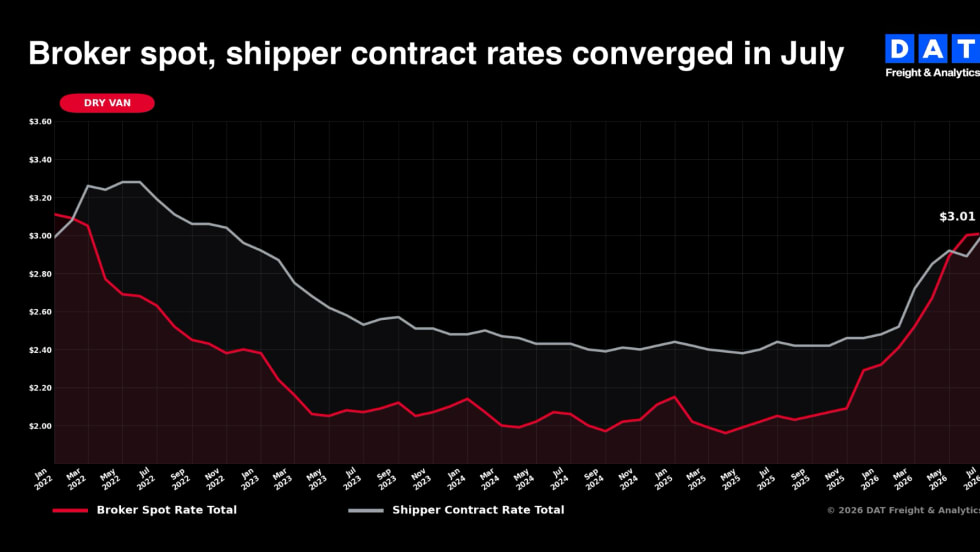
Tight Trucking Capacity Pushes Rates Higher Even as Freight Volumes Fall
“Spot rates moving ahead of contract rates have historically signaled a tightening market, but we haven’t seen a capacity-driven market quite like this one,” said DAT's Dean Croke.
Read More →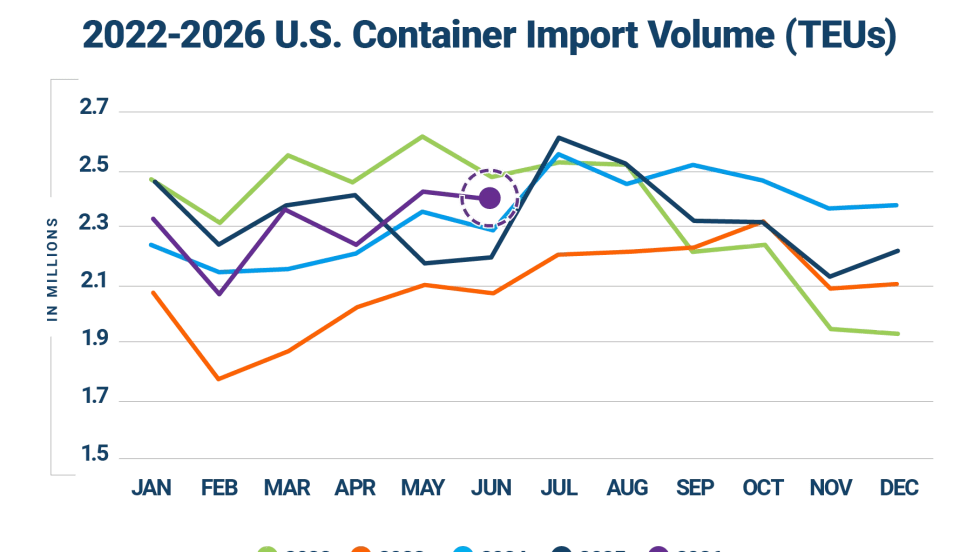
Import Cargo’s Early Peak Season is Winding Down
There was an early start to peak season this year at the nation's gateway ports, as retailers brought in merchandise ahead of tariff changes in late July and responded to other supply chain uncertainties,
Read More →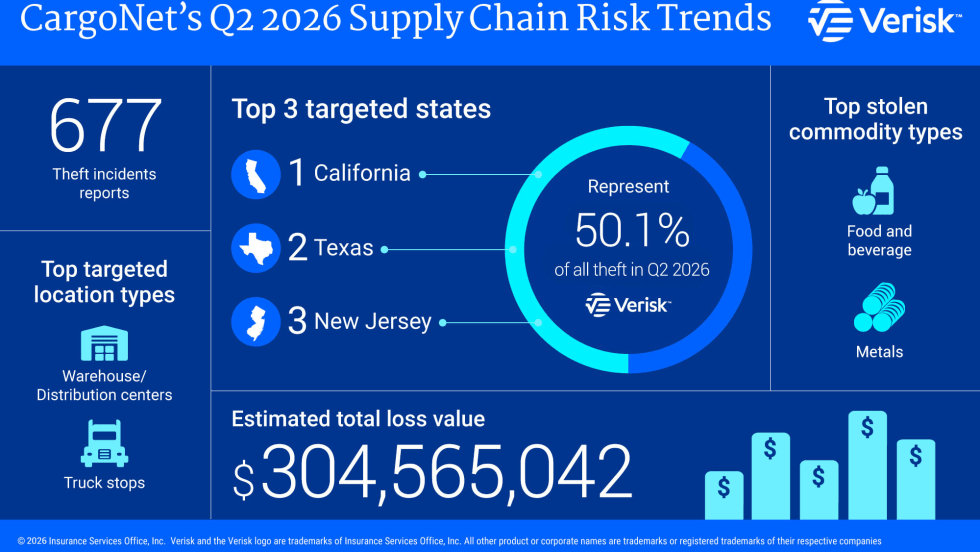
Fewer Cargo Thefts, Bigger Losses: Criminals Target Higher-Value Loads
CargoNet says organized theft rings are stealing fewer shipments but choosing more valuable freight, including metals and technology, resulting in record losses.
Read More →
How Innovative Trucking Leaders Turn Change Into an Advantage
As the pace of change accelerates in trucking, the fleets that adapt best have more than the latest technology. They have cultures that embrace improvement.
Read More →
Freight Broker Bonds Just Got Harder to Get. Here's What That Means for Your Fleet.
When it gets harder for a freight broker to prove they are financially sound, the ones who cannot clear that bar get pushed out of the market. And those are exactly the brokers who used to leave motor carriers holding the bag.
Read More →